
As you navigate the complexities of climate change, it becomes increasingly clear that the energy landscape is undergoing a significant transformation. The urgency to address climate change has never been more pressing, and solar energy stands out as a beacon of hope in this endeavor. With its potential to provide clean, renewable energy, solar power offers a viable solution to reduce greenhouse gas emissions and combat global warming.
However, as you delve deeper into the relationship between climate change and solar energy, you will discover that this relationship is not straightforward. The very factors that contribute to climate change also pose challenges to the efficiency and reliability of solar energy production. Understanding the interplay between climate change and solar energy is crucial for anyone invested in sustainable practices.
As temperatures rise and weather patterns shift, the implications for solar energy generation become increasingly complex. You may find yourself questioning how these changes will affect the viability of solar installations and their ability to meet energy demands. This article aims to explore the multifaceted effects of climate change on solar energy, examining everything from temperature fluctuations to extreme weather events, and ultimately considering the future of solar power in a warming world.
Key Takeaways
- Climate change is a pressing issue that is impacting the efficiency and production of solar energy.
- Rising temperatures can decrease the efficiency of solar panels, leading to reduced energy production.
- Changes in weather patterns, including increased extreme weather events, can impact the reliability of solar energy production.
- Cloud cover and precipitation can affect the generation of solar energy, leading to fluctuations in output.
- Sea level rise poses a threat to coastal solar installations, requiring adaptation strategies to maintain production.
The Effects of Rising Temperatures on Solar Panel Efficiency
As you consider the impact of rising temperatures on solar panel efficiency, it is essential to recognize that solar panels are not immune to the effects of heat. In fact, higher temperatures can lead to a decrease in the efficiency of photovoltaic (PV) cells. When temperatures soar, the semiconductor materials within solar panels can experience increased resistance, which in turn reduces their ability to convert sunlight into electricity.
This phenomenon can be particularly concerning during heatwaves, where prolonged exposure to high temperatures may lead to significant drops in energy output. Moreover, as you explore this topic further, you will find that the relationship between temperature and efficiency is not linear. While it is true that solar panels can still generate electricity in high temperatures, their performance may not be optimal.
For instance, studies have shown that for every degree Celsius increase in temperature, the efficiency of certain types of solar panels can decrease by approximately 0.5%. This means that in regions experiencing extreme heat, the overall energy yield from solar installations could be substantially lower than anticipated. As you reflect on these findings, it becomes evident that addressing temperature-related challenges is crucial for maximizing the potential of solar energy.
Changes in Weather Patterns and Their Impact on Solar Energy Production
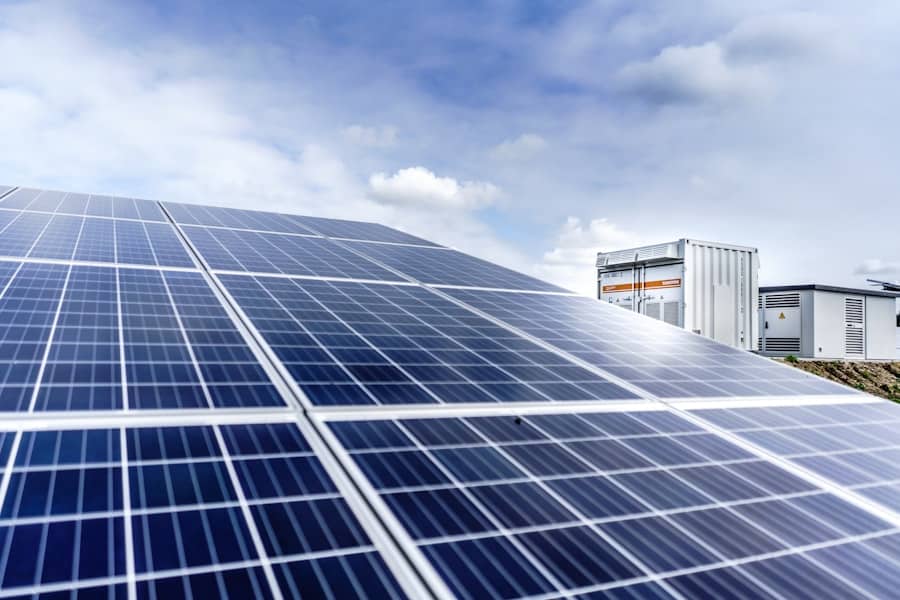
As you examine the broader implications of climate change, it is essential to consider how shifting weather patterns can influence solar energy production. Climate change has been linked to an increase in extreme weather events and unpredictable weather conditions, which can disrupt the consistency of solar energy generation. For instance, prolonged periods of cloud cover or unexpected storms can significantly reduce the amount of sunlight reaching solar panels, leading to decreased energy output.
In addition to immediate impacts on energy production, you may also want to consider how these changes in weather patterns can affect long-term planning for solar installations. As regions experience more erratic weather conditions, it becomes increasingly challenging to predict energy generation accurately. This unpredictability can complicate grid management and energy distribution, making it essential for stakeholders in the solar industry to adapt their strategies accordingly.
By understanding these dynamics, you can better appreciate the need for innovative solutions that address the challenges posed by changing weather patterns.
The Role of Cloud Cover and Precipitation in Solar Energy Generation
Cloud cover and precipitation are two critical factors that can significantly influence solar energy generation. As you delve into this topic, you will discover that increased cloudiness can lead to reduced sunlight availability, which directly impacts the efficiency of solar panels. In regions where cloud cover is becoming more frequent due to climate change, you may find that solar installations face challenges in maintaining consistent energy output.
Moreover, precipitation can also play a role in solar energy production. While rain can help clean solar panels and improve their efficiency, excessive rainfall or prolonged wet conditions can lead to extended periods of reduced sunlight. This duality presents a unique challenge for solar energy systems, as they must be designed to withstand varying weather conditions while still maximizing energy generation.
As you consider these factors, it becomes clear that understanding cloud cover and precipitation patterns is essential for optimizing solar energy production in a changing climate.
Sea Level Rise and Its Effect on Coastal Solar Installations
As you explore the implications of climate change on solar energy, sea level rise emerges as a significant concern for coastal installations. Many solar farms are located near coastlines where land is at risk due to rising sea levels caused by melting ice caps and thermal expansion of seawater. This phenomenon poses a direct threat to the infrastructure of solar installations, as flooding and erosion can damage equipment and disrupt energy production.
In addition to physical damage, you may also want to consider how sea level rise can impact land use and zoning regulations for future solar projects. As coastal areas become increasingly vulnerable to flooding, developers may face challenges in securing permits for new installations or expanding existing ones. This situation necessitates a reevaluation of site selection criteria for solar projects, emphasizing the importance of resilience in the face of climate change.
By understanding these dynamics, you can appreciate the need for innovative solutions that address both environmental concerns and energy needs.
The Impact of Extreme Weather Events on Solar Infrastructure
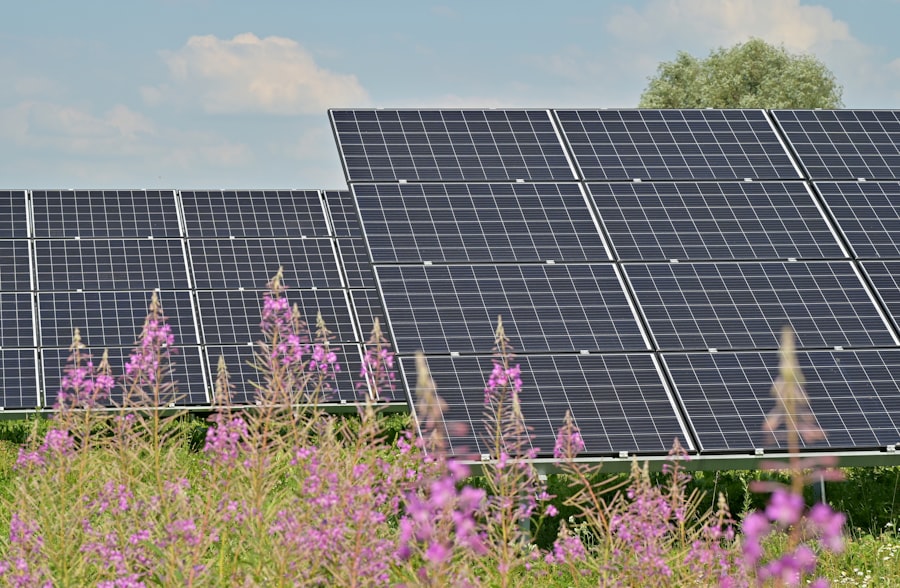
Extreme weather events are becoming more frequent and severe due to climate change, posing significant risks to solar infrastructure. As you reflect on this issue, consider how hurricanes, tornadoes, and heavy storms can damage solar panels and related equipment. High winds can dislodge panels or cause structural damage to mounting systems, while flooding can lead to electrical failures and long-term degradation of components.
Furthermore, as you analyze the impact of extreme weather events on solar infrastructure, it becomes evident that resilience planning is essential for maintaining reliable energy production. Stakeholders must invest in robust designs and materials that can withstand harsh conditions while also developing contingency plans for rapid recovery after such events occur. By prioritizing resilience in solar infrastructure design, you can help ensure that these systems remain functional even in the face of increasingly unpredictable weather patterns.
Shifts in Solar Energy Potential and Geographic Distribution
As climate change continues to reshape our environment, shifts in solar energy potential and geographic distribution are becoming apparent. You may notice that certain regions previously considered ideal for solar installations are experiencing changes in sunlight availability due to altered weather patterns or increased cloud cover. Conversely, areas that were once deemed less suitable for solar energy may become more viable as temperatures rise and sunlight becomes more abundant.
This shifting landscape presents both challenges and opportunities for stakeholders in the solar industry. As you consider these changes, it is essential to recognize that adapting to new geographic distributions will require innovative approaches to site selection and technology deployment. By embracing flexibility and adaptability in project planning, you can help ensure that solar energy continues to thrive even as environmental conditions evolve.
Climate Change and the Economics of Solar Energy
The economics of solar energy are intricately linked to climate change dynamics. As you explore this relationship further, you will find that rising temperatures and changing weather patterns can impact not only energy production but also costs associated with installation and maintenance. For instance, increased wear and tear on equipment due to extreme weather events may lead to higher maintenance costs over time.
Moreover, as climate change drives demand for renewable energy sources like solar power, market dynamics may shift accordingly. You may observe an increase in investment opportunities as governments and private entities seek sustainable solutions to combat climate change. However, navigating these economic shifts will require careful consideration of both short-term costs and long-term benefits associated with transitioning to renewable energy sources.
Policy and Regulatory Implications for Solar Energy in a Changing Climate
As you delve into the policy landscape surrounding solar energy in a changing climate, it becomes clear that regulatory frameworks must evolve alongside environmental conditions. Policymakers face the challenge of creating regulations that not only promote renewable energy adoption but also address the unique challenges posed by climate change impacts on solar installations. You may find that effective policies will need to prioritize resilience planning and incentivize innovation within the industry.
This could include measures such as providing funding for research into advanced materials capable of withstanding extreme weather or offering tax incentives for projects located in areas with lower vulnerability to climate-related risks. By advocating for forward-thinking policies, you can contribute to shaping a regulatory environment that supports sustainable growth in the solar sector.
Adaptation Strategies for Maintaining Solar Energy Production in a Changing Climate
As you contemplate adaptation strategies for maintaining solar energy production amidst climate change challenges, several key approaches emerge. One effective strategy involves investing in advanced technologies designed to enhance efficiency under varying environmental conditions. For example, bifacial solar panels—capable of capturing sunlight from both sides—can help maximize energy generation even when faced with partial shading or cloud cover.
Additionally, incorporating smart grid technologies can improve resilience by enabling real-time monitoring and management of energy distribution systems. By leveraging data analytics and predictive modeling tools, stakeholders can better anticipate fluctuations in energy production due to changing weather patterns or extreme events. These proactive measures will be essential for ensuring that solar installations remain reliable sources of clean energy as climate conditions continue to evolve.
The Future of Solar Energy in the Face of Climate Change
Looking ahead, the future of solar energy in the face of climate change presents both challenges and opportunities for innovation. As you reflect on this evolving landscape, it becomes evident that addressing climate-related risks will require collaboration among industry stakeholders, policymakers, and researchers alike. By working together towards common goals—such as enhancing resilience and optimizing efficiency—you can help pave the way for a sustainable future powered by renewable energy.
Moreover, as public awareness around climate change grows, so too does demand for clean energy solutions like solar power. This shift presents an opportunity for further investment in research and development aimed at overcoming existing barriers while maximizing potential benefits associated with transitioning away from fossil fuels. By embracing this momentum towards sustainability, you can play an integral role in shaping a brighter future powered by renewable resources like solar energy.
In conclusion, while climate change poses significant challenges for solar energy production—from rising temperatures affecting panel efficiency to extreme weather events threatening infrastructure—the potential for innovation remains strong. By understanding these dynamics and advocating for adaptive strategies within the industry, you can contribute meaningfully towards building a resilient future powered by clean energy solutions.
A related article to The Impact of Climate Change on Global Solar Energy Production is “How Do Microclimate Variations Affect the Accuracy of Solar Energy Time Management Predictions, Especially in Diverse Geographic Regions?” This article explores the challenges and opportunities presented by microclimate variations in predicting solar energy production. By understanding how these variations impact solar energy generation, researchers and industry professionals can improve the accuracy of time management predictions. To learn more about this topic, you can visit the article here.
FAQs
What is the impact of climate change on global solar energy production?
Climate change can impact global solar energy production in several ways. Changes in weather patterns, such as increased cloud cover and extreme weather events, can affect the amount of sunlight reaching solar panels. Additionally, rising temperatures can reduce the efficiency of solar panels, leading to decreased energy production.
How does climate change affect the availability of sunlight for solar energy production?
Climate change can lead to changes in weather patterns, such as increased cloud cover and changes in precipitation, which can affect the availability of sunlight for solar energy production. These changes can impact the amount of solar radiation reaching the Earth’s surface, which in turn affects the efficiency of solar panels.
What are the potential consequences of climate change on global solar energy production?
The potential consequences of climate change on global solar energy production include reduced energy output from solar panels due to changes in weather patterns and decreased efficiency of solar panels as a result of rising temperatures. These consequences can impact the overall contribution of solar energy to the global energy mix.
How can the impact of climate change on global solar energy production be mitigated?
To mitigate the impact of climate change on global solar energy production, it is important to invest in technological advancements that improve the efficiency of solar panels in varying weather conditions. Additionally, implementing policies that support the expansion of solar energy infrastructure and promoting renewable energy sources can help reduce the overall impact of climate change on solar energy production.