
As you delve into the world of solar energy, you will quickly discover a multitude of benefits that come with harnessing the power of the sun. One of the most compelling advantages is the potential for significant cost savings on your energy bills. By generating your own electricity, you can reduce or even eliminate your reliance on traditional utility providers.
This not only leads to lower monthly expenses but also protects you from the volatility of energy prices, which can fluctuate dramatically based on market conditions. Moreover, embracing solar energy contributes to a more sustainable future. By reducing your carbon footprint, you play a vital role in combating climate change and promoting environmental stewardship.
Solar energy is a clean, renewable resource that does not emit harmful pollutants, making it an eco-friendly alternative to fossil fuels. As you consider the long-term implications of your energy choices, the positive impact on the planet can be a powerful motivator to transition to solar power.
Key Takeaways
- Solar energy can significantly reduce your electricity bills and carbon footprint
- Assess your home’s solar potential by considering factors like roof orientation and shading
- Choose the right solar panels based on efficiency, durability, and warranty
- Understand the costs and financing options available for solar installation
- Find a reputable solar energy provider with experience and good customer reviews
Assessing Your Home’s Solar Potential
Assessing Sunlight and Shading
Start by evaluating the amount of sunlight your property receives throughout the year. Factors such as geographical location, roof orientation, and shading from trees or nearby buildings can significantly influence how much solar energy you can harness.
Evaluating Your Roof’s Condition
You may want to conduct a simple observation over several days or even consult with a solar expert who can provide a detailed analysis of your site. Additionally, consider the condition and angle of your roof. A south-facing roof with minimal obstructions is ideal for solar panel installation, as it maximizes sun exposure.
Addressing Roof Repairs Before Installation
If your roof is older or in need of repairs, it may be wise to address these issues before installing solar panels. By taking the time to thoroughly assess your home’s solar potential, you can ensure that you make an informed decision that aligns with your energy goals.
Choosing the Right Solar Panels for Your Home
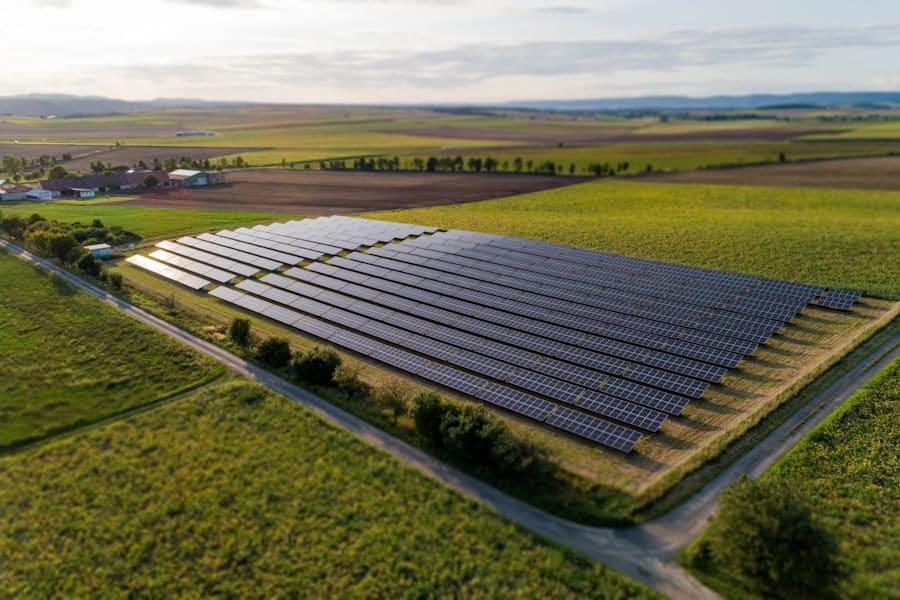
Once you’ve determined that your home is suitable for solar energy, the next step is selecting the right solar panels. With various types available on the market, it’s crucial to understand the differences between them. Monocrystalline panels are known for their high efficiency and sleek appearance, making them a popular choice for homeowners looking to maximize their energy output in limited space.
On the other hand, polycrystalline panels tend to be more affordable but may require more surface area to produce the same amount of energy. In addition to panel type, consider factors such as warranty and durability. A reputable manufacturer will offer a solid warranty that reflects their confidence in their product’s longevity and performance.
Researching customer reviews and seeking recommendations from friends or family who have installed solar panels can also provide valuable insights into which brands and models may be best suited for your needs.
Understanding the Costs and Financing Options
Understanding the costs associated with solar panel installation is crucial for making an informed decision. The initial investment can be significant, but it’s essential to view this as a long-term investment rather than an immediate expense. The price of solar systems has decreased over the years, making them more accessible than ever.
However, costs can vary based on factors such as system size, panel type, and installation complexity. Fortunately, there are numerous financing options available to help you manage these costs. You might consider purchasing your system outright, which allows you to take full advantage of tax credits and incentives.
Alternatively, solar loans enable you to spread out payments over time while still reaping the benefits of energy savings from day one. Additionally, leasing options allow you to install solar panels with little to no upfront cost, although this may limit your access to certain tax benefits. By exploring these financing avenues, you can find a solution that fits your budget and financial goals.
Finding a Reputable Solar Energy Provider
Choosing a reputable solar energy provider is a critical step in your solar journey. With numerous companies vying for your business, it’s essential to do your homework before making a decision. Start by seeking recommendations from friends or family who have had positive experiences with local providers.
Online reviews and ratings can also offer valuable insights into a company’s reputation and customer service. When evaluating potential providers, consider their experience in the industry and their track record of successful installations. A reliable company should be transparent about their processes and willing to answer any questions you may have.
Additionally, inquire about warranties and post-installation support to ensure that you will receive assistance if any issues arise after your system is up and running.
Obtaining Permits and Approvals
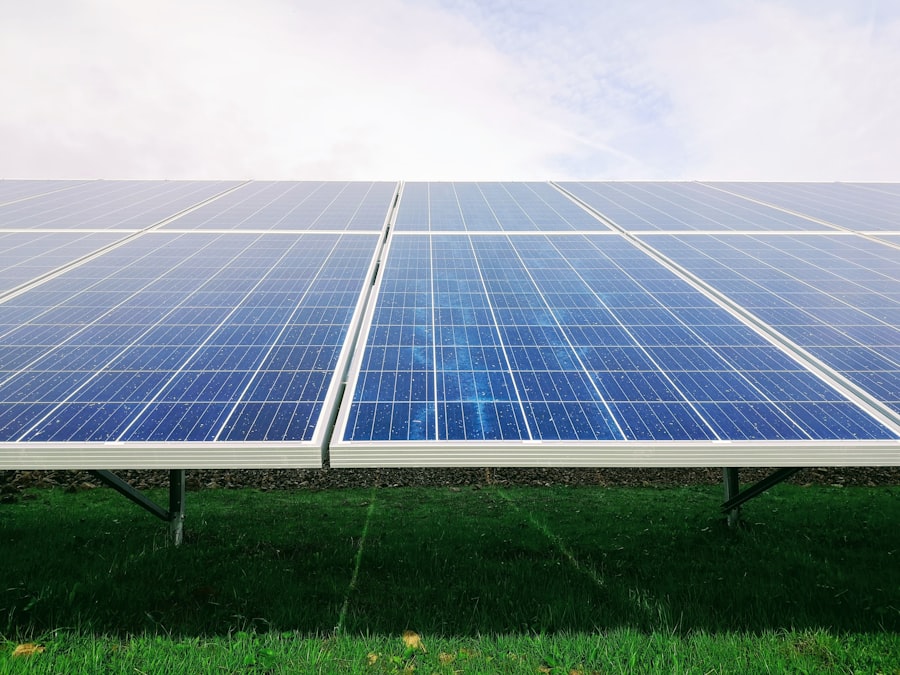
Before installation can begin, you will need to navigate the process of obtaining permits and approvals from local authorities. This step is crucial as it ensures that your solar system complies with building codes and regulations in your area. The requirements can vary significantly depending on where you live, so it’s essential to familiarize yourself with local laws regarding solar installations.
Your chosen solar provider should assist you in this process, as they often have experience working with local governments and can help streamline the approval process. Be prepared to provide documentation such as site plans and system specifications as part of your application. While this step may seem daunting, it is an essential part of ensuring that your solar installation is safe and compliant.
Installing Your Solar Panels
Once all permits are secured, it’s time for the exciting part: installing your solar panels! The installation process typically takes one to three days, depending on the size of your system and any unique challenges presented by your property. During this time, skilled technicians will work diligently to mount the panels on your roof or property and connect them to your electrical system.
As installation progresses, you may want to take the opportunity to ask questions and learn more about how everything works. Understanding the components of your solar system will empower you as a homeowner and help you make informed decisions about maintenance and usage in the future. Once installation is complete, you’ll be one step closer to enjoying the benefits of renewable energy!
Connecting Your Solar System to the Grid
After installation, connecting your solar system to the grid is a crucial step that allows you to take full advantage of your new energy source. This connection enables you to draw power from the grid when needed and send excess energy back for credits through net metering programs offered by many utility companies. This arrangement not only maximizes your energy savings but also provides a safety net during periods of low sunlight.
Your solar provider will typically handle this connection process for you, ensuring that everything is set up correctly and safely. They will coordinate with your utility company to finalize any necessary agreements and ensure that your system meets all technical requirements for grid connection. Once connected, you’ll be able to monitor your energy production and consumption in real-time.
Monitoring and Maintaining Your Solar System
To ensure optimal performance from your solar system, regular monitoring and maintenance are essential. Many modern systems come equipped with monitoring software that allows you to track energy production and consumption through an app or online portal. This feature enables you to identify any potential issues early on and take corrective action if necessary.
Maintenance for solar panels is generally minimal; however, it’s wise to keep an eye on them for dirt or debris that may obstruct sunlight. In some cases, professional cleaning may be required if dust or grime accumulates significantly. Additionally, scheduling periodic inspections with your solar provider can help ensure that all components are functioning correctly and efficiently.
Maximizing Your Solar Energy Usage
To truly reap the benefits of solar energy, consider strategies for maximizing your usage. One effective approach is adjusting your energy consumption patterns to align with peak sunlight hours when your system generates the most electricity. For instance, running major appliances like dishwashers or washing machines during these hours can help you utilize more of the energy produced by your solar panels.
You might also explore battery storage options that allow you to store excess energy generated during sunny days for use during evenings or cloudy periods. This capability not only enhances your energy independence but also provides additional savings on utility bills by reducing reliance on grid power during peak hours.
Enjoying the Benefits of Solar Energy in Your Home
As you settle into life with solar energy, you’ll likely find yourself enjoying numerous benefits that extend beyond just financial savings. The peace of mind that comes from knowing you’re contributing to a cleaner environment can be incredibly rewarding. You’re not only reducing greenhouse gas emissions but also supporting a shift towards renewable energy sources that benefit future generations.
Additionally, many homeowners report an increased sense of pride in their homes after installing solar panels. The modern aesthetic of solar technology can enhance curb appeal while showcasing your commitment to sustainability. As you bask in the sunlight—both literally and figuratively—you’ll appreciate how this investment has transformed not just your home but also your lifestyle towards a more eco-conscious way of living.
If you are interested in learning more about how time management can promote energy equity and affordable access for all socioeconomic groups, check out the article How Can Solar Energy Time Management Promote Energy Equity and Affordable Access for All Socioeconomic Groups. This article explores the importance of effective time management strategies in community-based solar energy projects, which is also discussed in the article A Day in the Life of Solar Panels: Maximizing Efficiency Hour by Hour.
FAQs
What are fossil fuels?
Fossil fuels are natural resources such as coal, oil, and natural gas that are formed from the remains of ancient plants and animals. They are non-renewable sources of energy and contribute to air and water pollution.
What is solar energy?
Solar energy is energy from the sun that is converted into thermal or electrical energy. It is a renewable and sustainable source of energy that does not produce greenhouse gas emissions.
Why should I transition from fossil fuels to solar energy in my home?
Transitioning from fossil fuels to solar energy in your home can reduce your carbon footprint, lower your energy bills, and contribute to a cleaner and more sustainable environment.
How can I transition from fossil fuels to solar energy in my home?
You can transition from fossil fuels to solar energy in your home by installing solar panels on your roof, using solar water heaters, and investing in energy-efficient appliances and lighting.
What are the benefits of using solar energy in my home?
The benefits of using solar energy in your home include lower energy bills, reduced reliance on fossil fuels, increased property value, and a positive impact on the environment.
Are there any incentives or rebates for transitioning to solar energy in my home?
Many governments and utility companies offer incentives, rebates, and tax credits for homeowners who transition to solar energy. These incentives can help offset the initial cost of installing solar panels and other solar energy systems.
What are the challenges of transitioning to solar energy in my home?
Challenges of transitioning to solar energy in your home may include the initial cost of installation, finding a reputable solar energy provider, and navigating local regulations and permitting processes.