
As you navigate through the complexities of modern energy consumption, the significance of solar energy becomes increasingly apparent. Solar energy, derived from the sun’s rays, is a renewable and sustainable resource that has gained traction in recent years. With the growing concerns over climate change and the depletion of fossil fuels, harnessing solar energy presents a viable solution to meet your energy needs while minimizing environmental impact.
This article will explore the various facets of solar energy, from its origins to its future potential, providing you with a comprehensive understanding of this powerful resource. In a world where energy demands are ever-increasing, solar energy stands out as a beacon of hope. It offers a clean alternative to traditional energy sources, reducing greenhouse gas emissions and promoting sustainability.
As you delve deeper into the mechanics of solar energy, you will discover how it can be effectively harnessed and utilized in various applications, from residential power generation to large-scale solar farms. Understanding solar energy is not just an academic exercise; it is a crucial step toward embracing a more sustainable future.
Key Takeaways
- Solar energy is a renewable and sustainable source of power that is harnessed from the sun’s rays.
- Photovoltaic cells and solar panels are used to convert sunlight into electricity for various applications.
- Inverters and batteries play a crucial role in storing and converting solar energy for use during non-sunlight hours.
- Solar thermal systems are used for heating and cooling purposes, providing an alternative to traditional energy sources.
- The environmental benefits of solar energy include reduced greenhouse gas emissions and decreased reliance on fossil fuels.
The Sun as a Source of Energy
The sun is an immense powerhouse, radiating an astonishing amount of energy every day. In fact, the sun emits more energy in one hour than the entire world consumes in a year. This staggering fact highlights the potential of solar energy as a reliable and abundant resource for your energy needs.
As you consider the implications of this vast energy supply, it becomes clear that tapping into solar power could significantly reduce your reliance on fossil fuels and other non-renewable resources. Moreover, the sun’s energy is not only abundant but also universally accessible. Regardless of where you live on the planet, sunlight is available to you in varying degrees.
This accessibility makes solar energy an attractive option for individuals and communities alike. By harnessing the sun’s rays, you can contribute to a more sustainable energy landscape while also enjoying the benefits of reduced electricity bills and increased energy independence.
Photovoltaic Cells and Solar Panels

At the heart of solar energy technology are photovoltaic (PV) cells, which convert sunlight directly into electricity. These cells are made from semiconductor materials, typically silicon, that exhibit unique properties when exposed to sunlight. When photons from sunlight strike the surface of a PV cell, they excite electrons within the semiconductor material, creating an electric current.
This process is fundamental to how solar panels generate electricity for your home or business. Solar panels are essentially collections of these photovoltaic cells, arranged in a grid-like pattern to maximize their exposure to sunlight. When you install solar panels on your roof or property, you are effectively harnessing the sun’s energy and converting it into usable electricity.
The efficiency of these panels has improved significantly over the years, with modern designs capable of converting a higher percentage of sunlight into electricity than ever before. As you explore your options for solar energy systems, understanding the role of PV cells and solar panels will empower you to make informed decisions about your energy future.
The Process of Solar Energy Conversion
The conversion of solar energy into electricity involves several key steps that work together seamlessly. Initially, sunlight strikes the surface of the solar panels, where it is absorbed by the photovoltaic cells. This absorption generates an electric current, which is then directed into an inverter.
The inverter plays a crucial role in this process by converting the direct current (DC) produced by the solar panels into alternating current (AC), which is the form of electricity used in most homes and businesses. Once the electricity has been converted to AC, it can be used to power your appliances and devices or fed back into the grid if you have excess energy production. This grid connection allows you to benefit from net metering, where you receive credits for any surplus electricity generated by your solar system.
Additionally, understanding this conversion process can help you appreciate the efficiency and effectiveness of solar technology in meeting your energy needs.
The Role of Inverters and Batteries
Inverters are essential components of any solar energy system, as they facilitate the conversion of DC electricity into AC electricity. However, their role extends beyond mere conversion; they also manage the flow of electricity within your system. Advanced inverters can optimize energy production by adjusting to changing sunlight conditions throughout the day.
This means that even on cloudy days or during periods of low sunlight, your system can still generate usable electricity. Batteries also play a significant role in enhancing the functionality of solar energy systems. By storing excess electricity generated during peak sunlight hours, batteries allow you to use that stored energy when sunlight is not available, such as during nighttime or cloudy days.
This capability increases your energy independence and ensures that you have a reliable power source at all times. As you consider investing in solar technology, understanding the importance of inverters and batteries will help you maximize your system’s efficiency and reliability.
Utilizing Solar Energy for Electricity
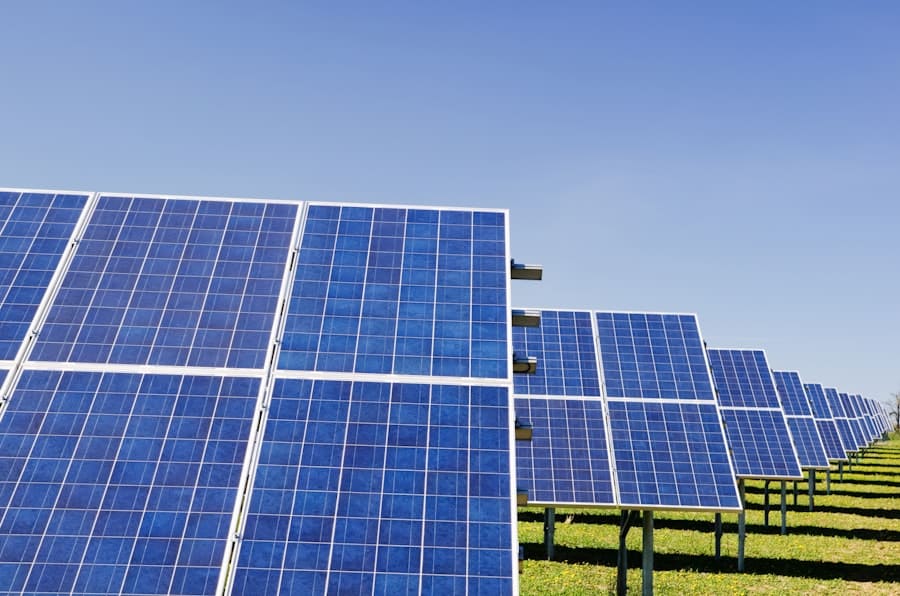
One of the most common applications of solar energy is its use for electricity generation in residential and commercial settings. By installing solar panels on your property, you can significantly reduce your reliance on traditional power sources while lowering your electricity bills. The process begins with assessing your energy needs and determining the appropriate size and configuration of your solar system.
Factors such as roof orientation, shading, and local climate conditions will influence your system’s performance. Once your solar panels are installed, they will begin generating electricity as long as there is sunlight available. This electricity can be used to power your home or business directly or stored in batteries for later use.
Additionally, many regions offer incentives for solar energy adoption, such as tax credits or rebates, making it an even more attractive option for those looking to invest in renewable energy solutions.
Solar Thermal Systems for Heating and Cooling
In addition to generating electricity, solar energy can also be harnessed for heating and cooling applications through solar thermal systems. These systems utilize sunlight to heat water or air for various purposes, such as domestic hot water heating or space heating in buildings. By capturing and utilizing thermal energy from the sun, you can further reduce your reliance on fossil fuels and lower your overall energy costs.
Solar thermal systems come in various configurations, including flat-plate collectors and evacuated tube collectors. These systems are designed to absorb sunlight efficiently and transfer that heat to water or air circulating through them. As you explore options for integrating solar thermal technology into your home or business, consider how these systems can complement your existing heating and cooling solutions while enhancing overall energy efficiency.
Concentrated Solar Power (CSP) Technology
Concentrated Solar Power (CSP) technology represents another innovative approach to harnessing solar energy on a larger scale. Unlike photovoltaic systems that convert sunlight directly into electricity, CSP systems use mirrors or lenses to concentrate sunlight onto a small area, generating heat that can be used to produce steam and drive turbines for electricity generation. This technology is particularly well-suited for utility-scale power plants located in sunny regions.
CSP systems can store thermal energy for use during periods without sunlight, making them a reliable source of renewable energy even when the sun isn’t shining. As you consider the broader implications of solar technology, CSP represents an exciting frontier in renewable energy generation that could play a significant role in meeting global electricity demands while reducing carbon emissions.
The Environmental Benefits of Solar Energy
The environmental benefits of solar energy are profound and far-reaching. By harnessing this clean source of power, you can significantly reduce greenhouse gas emissions associated with fossil fuel consumption. Solar energy systems produce little to no air pollution during operation, contributing to improved air quality and public health outcomes.
Additionally, utilizing solar power helps conserve water resources since traditional power generation methods often require substantial amounts of water for cooling processes. Moreover, investing in solar technology promotes biodiversity by reducing habitat destruction associated with fossil fuel extraction and infrastructure development. As you embrace solar energy solutions, you are not only taking steps toward personal sustainability but also contributing to a healthier planet for future generations.
Solar Energy in the Future
Looking ahead, the future of solar energy appears bright and promising. Technological advancements continue to enhance the efficiency and affordability of solar systems, making them more accessible to individuals and businesses alike. Innovations such as building-integrated photovoltaics (BIPV) and transparent solar panels are paving the way for new applications that seamlessly integrate solar technology into everyday structures.
Furthermore, as governments around the world implement policies aimed at reducing carbon emissions and promoting renewable energy adoption, the demand for solar solutions is expected to grow exponentially. As you consider your own role in this transition toward sustainable energy practices, embracing solar technology can position you at the forefront of this exciting movement toward a cleaner future.
Harnessing the Power of the Sun
In conclusion, harnessing the power of the sun through solar energy presents an incredible opportunity for individuals and communities alike. By understanding how solar technology works—from photovoltaic cells to concentrated solar power—you can make informed decisions about integrating renewable energy solutions into your life. The environmental benefits are clear: reduced emissions, improved air quality, and conservation of natural resources all contribute to a healthier planet.
As you contemplate your own energy choices moving forward, consider how embracing solar energy can not only benefit you economically but also contribute positively to global sustainability efforts. The sun’s abundant energy is waiting to be harnessed; by taking action today, you can play a vital role in shaping a cleaner and more sustainable future for generations to come.
If you are interested in learning more about the challenges of coordinating solar energy production with varying weather conditions, you may want to check out the article titled “What Are the Challenges of Coordinating Solar Energy Production with Varying Weather Conditions?” This article discusses the difficulties that arise when trying to predict and manage solar energy production in the face of changing weather patterns. It offers insights into the strategies and technologies that can help mitigate these challenges and ensure a more reliable and efficient solar energy system. Click here to read more.
FAQs
What is solar energy?
Solar energy is the radiant light and heat from the sun that is harnessed using a range of ever-evolving technologies such as solar heating, photovoltaics, solar thermal energy, solar architecture, and artificial photosynthesis.
How does solar energy work?
Solar energy is converted into usable electricity through the use of solar panels, which are made up of photovoltaic cells. These cells absorb sunlight and convert it into direct current (DC) electricity. This electricity is then converted into alternating current (AC) electricity by an inverter, which can be used to power homes and businesses.
What are the benefits of solar energy?
Solar energy is a renewable and sustainable source of power that produces no greenhouse gas emissions. It can also reduce electricity bills and provide energy independence for homes and businesses.
What are the different types of solar energy systems?
There are two main types of solar energy systems: photovoltaic (PV) systems, which convert sunlight directly into electricity, and solar thermal systems, which use sunlight to heat a fluid that produces steam to drive a turbine and generate electricity.
What is the future of solar energy?
The future of solar energy looks promising, with advancements in technology leading to more efficient and affordable solar panels. As the demand for clean and sustainable energy sources grows, solar energy is expected to play a significant role in meeting global energy needs.