
As you delve into the realm of alternative energy, you will discover its transformative potential, especially in developing countries. The shift from traditional fossil fuels to renewable energy sources is not merely a trend; it is a necessity for sustainable development. In regions where energy access is limited, alternative energy solutions such as solar, wind, and biomass can provide a lifeline.
These technologies not only promise to meet the growing energy demands but also offer a pathway to economic growth and environmental sustainability. The urgency of adopting alternative energy sources in developing nations cannot be overstated. With a significant portion of the population lacking reliable access to electricity, the reliance on conventional energy sources often leads to environmental degradation and health issues.
By embracing renewable energy, these countries can leapfrog outdated technologies and create a more resilient and sustainable energy infrastructure. This article will explore the current energy landscape, the challenges faced, and the opportunities that lie ahead in the pursuit of alternative energy solutions.
Key Takeaways
- Alternative energy is crucial for sustainable development in developing countries.
- Developing countries face challenges in accessing reliable and affordable energy sources.
- Implementing alternative energy in developing countries is hindered by various challenges such as lack of infrastructure and technical expertise.
- Access to financing is a major barrier for alternative energy projects in developing countries.
- Technological barriers can be overcome through innovation and collaboration, leading to sustainable alternative energy solutions.
The Current Energy Situation in Developing Countries
In many developing countries, the energy situation is characterized by a stark contrast between urban and rural areas. Urban centers often enjoy better access to electricity, while rural communities frequently rely on kerosene lamps or wood-burning stoves for their energy needs. This disparity not only hampers economic development but also perpetuates cycles of poverty.
You may find it alarming that nearly 800 million people worldwide still lack access to electricity, with a significant portion residing in sub-Saharan Africa and South Asia. The reliance on traditional biomass fuels poses serious health risks due to indoor air pollution, which is responsible for millions of premature deaths each year. Furthermore, the environmental impact of deforestation and carbon emissions from fossil fuel consumption exacerbates climate change, threatening the very ecosystems that sustain life.
As you consider these challenges, it becomes clear that transitioning to alternative energy sources is not just an option; it is an imperative for improving living conditions and fostering sustainable development.
Challenges of Implementing Alternative Energy in Developing Countries
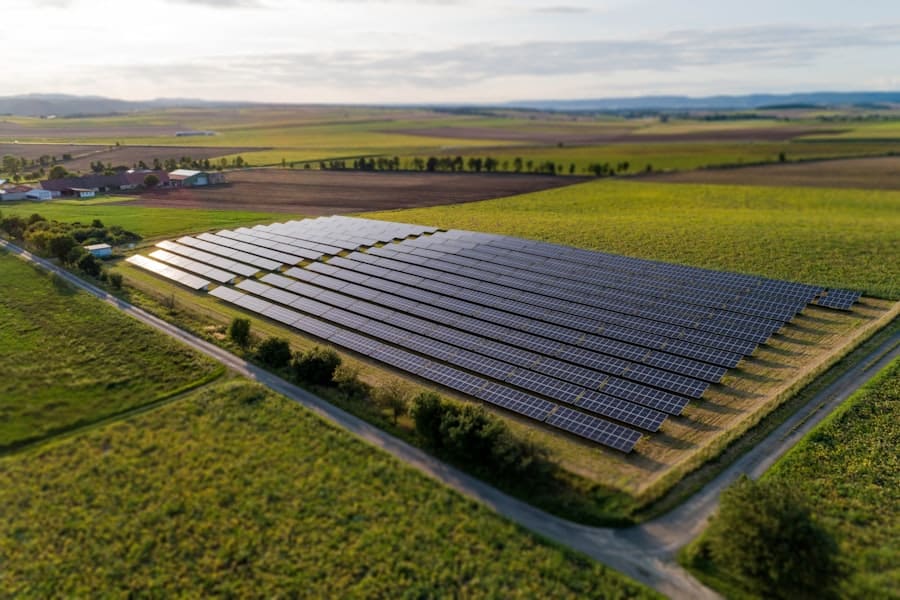
Despite the clear benefits of alternative energy, implementing these solutions in developing countries is fraught with challenges. One of the primary obstacles is the lack of infrastructure necessary for deploying renewable energy technologies. In many cases, existing power grids are outdated or non-existent, making it difficult to integrate new energy sources.
You may also encounter issues related to land use and resource allocation, as competing interests can complicate project implementation. Another significant challenge lies in the cultural and social dynamics within communities. Resistance to change can stem from a lack of understanding or mistrust of new technologies.
You might find that local populations are hesitant to adopt alternative energy solutions due to concerns about reliability or maintenance. Addressing these challenges requires not only technological innovation but also a concerted effort to engage communities and build trust in renewable energy initiatives.
Access to Financing for Alternative Energy Projects
Financing remains a critical barrier to the widespread adoption of alternative energy in developing countries. Many projects require substantial upfront investments that local governments or communities may struggle to afford. You may find that traditional financing mechanisms often overlook smaller-scale projects or those in rural areas, leaving a significant gap in funding opportunities.
This lack of access to capital can stifle innovation and prevent promising projects from coming to fruition. However, there are emerging solutions aimed at bridging this financing gap. Innovative financing models such as pay-as-you-go solar systems or microfinance initiatives are gaining traction, allowing individuals and communities to invest in renewable energy without incurring overwhelming debt.
You might also explore partnerships with international organizations or private investors who are increasingly interested in funding sustainable development projects. By leveraging these financial resources, developing countries can unlock the potential of alternative energy and drive meaningful change.
Technological Barriers and Solutions for Alternative Energy
Technological barriers present another significant hurdle in the quest for alternative energy solutions in developing countries. While renewable technologies have advanced rapidly in recent years, access to these innovations can be limited by factors such as cost, availability, and technical expertise. You may find that many communities lack the necessary skills to install and maintain renewable energy systems, which can lead to underutilization or failure of these technologies.
To overcome these barriers, targeted training programs and capacity-building initiatives are essential. By equipping local technicians with the skills needed to install and maintain renewable energy systems, you can foster a sense of ownership within communities and ensure the long-term sustainability of projects. Additionally, investing in research and development tailored to local contexts can lead to more affordable and accessible technologies that meet the unique needs of developing countries.
Environmental and Social Impacts of Alternative Energy Projects
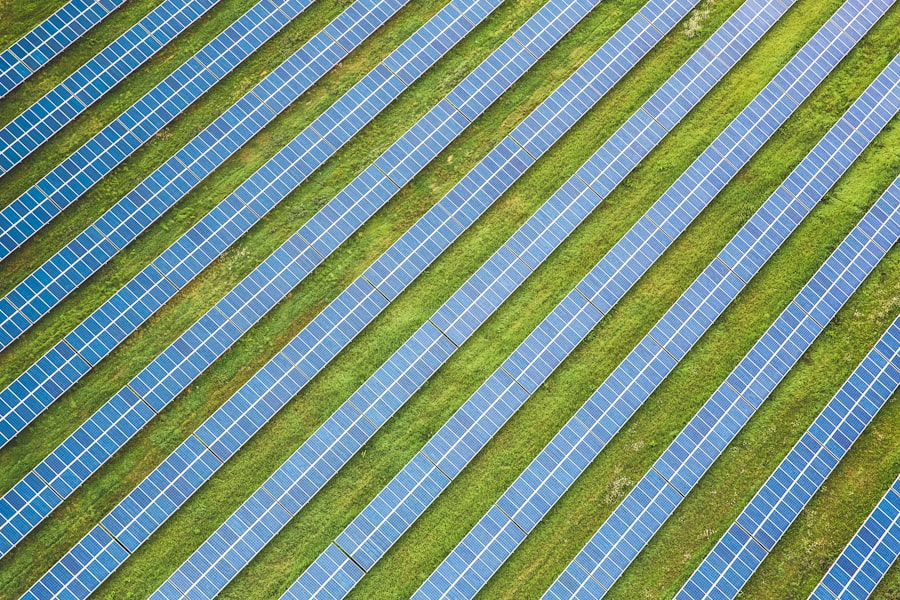
The implementation of alternative energy projects carries both environmental and social implications that must be carefully considered. On one hand, transitioning to renewable energy sources can significantly reduce greenhouse gas emissions and mitigate climate change impacts. You may appreciate how solar farms or wind turbines can help preserve natural ecosystems by reducing reliance on fossil fuels that contribute to habitat destruction.
On the other hand, it is crucial to recognize that not all alternative energy projects are created equal. Large-scale installations can sometimes displace local communities or disrupt traditional land use practices. As you explore this topic, you will find that community engagement is vital in ensuring that projects are designed with local needs in mind.
By prioritizing social equity and environmental stewardship, you can help create alternative energy solutions that benefit both people and the planet.
Government Policies and Regulations for Alternative Energy
Government policies play a pivotal role in shaping the landscape for alternative energy development in developing countries. Supportive regulatory frameworks can incentivize investment in renewable technologies while providing clear guidelines for project implementation. You may observe that countries with robust policies often experience faster growth in their renewable energy sectors compared to those with less supportive environments.
However, navigating the regulatory landscape can be complex, particularly when dealing with multiple stakeholders and competing interests. You might find that inconsistent policies or bureaucratic hurdles can stifle innovation and delay project timelines. Advocating for streamlined processes and transparent regulations can help create a more conducive environment for alternative energy development, ultimately benefiting both investors and local communities.
Opportunities for Economic Development through Alternative Energy
The transition to alternative energy presents significant opportunities for economic development in developing countries. By investing in renewable technologies, you can stimulate job creation across various sectors, from manufacturing to installation and maintenance. The growth of a green economy not only provides employment opportunities but also fosters local entrepreneurship as communities develop their own solutions tailored to their specific needs.
Moreover, alternative energy projects can enhance energy security and reduce dependence on imported fossil fuels, leading to greater economic stability. As you consider these opportunities, it becomes evident that investing in renewable energy is not just an environmental imperative; it is also a strategic economic decision that can drive sustainable growth and improve living standards.
Community Engagement and Education for Alternative Energy
Community engagement is essential for the successful implementation of alternative energy projects in developing countries. You may find that involving local populations in the planning and decision-making processes fosters a sense of ownership and commitment to renewable initiatives. By actively engaging communities, you can address concerns, gather valuable insights, and tailor projects to meet local needs effectively.
Education plays a crucial role in this process as well. Raising awareness about the benefits of alternative energy can help dispel myths and build trust among community members. You might consider organizing workshops or informational sessions that highlight successful case studies or demonstrate how renewable technologies work.
By empowering individuals with knowledge, you can inspire them to embrace alternative energy solutions as viable options for their future.
Case Studies of Successful Alternative Energy Projects in Developing Countries
Examining successful case studies of alternative energy projects can provide valuable insights into best practices and lessons learned. For instance, you may look at solar microgrid initiatives in rural India that have transformed entire communities by providing reliable electricity for homes and businesses alike. These projects not only improve quality of life but also stimulate local economies by enabling small enterprises to thrive.
Another noteworthy example is the wind farms established along the coastlines of several African nations, which have harnessed abundant natural resources to generate clean electricity while creating jobs in construction and maintenance. As you explore these case studies, you will see how innovative approaches tailored to local contexts can lead to successful outcomes that inspire further investment in renewable energy.
Conclusion and Future Outlook for Alternative Energy in Developing Countries
As you reflect on the potential of alternative energy in developing countries, it becomes clear that the path forward is filled with both challenges and opportunities. The transition from traditional fossil fuels to renewable sources is not merely an environmental necessity; it is a critical component of sustainable development that can drive economic growth and improve quality of life for millions. Looking ahead, you may envision a future where access to clean energy is universal, where communities are empowered through education and engagement, and where innovative financing models enable widespread adoption of renewable technologies.
By addressing existing barriers and fostering collaboration among stakeholders, you can contribute to a brighter future powered by alternative energy solutions that benefit both people and the planet alike.
In a related article titled Timing for a Greener Tomorrow: Solar Energy Efficiency Tips, the focus is on practical strategies for maximizing the efficiency of solar energy systems. This article delves into the importance of proper timing in harnessing solar power to its full potential, offering valuable insights on how individuals and communities can make the most of this renewable energy source. By implementing these efficiency tips, developing countries can overcome some of the challenges they face in transitioning to alternative energy sources and seize the opportunities for sustainable development.
FAQs
What is alternative energy?
Alternative energy refers to any source of energy that is an alternative to traditional fossil fuels. This can include renewable sources such as solar, wind, hydroelectric, and geothermal energy, as well as biofuels and hydrogen.
What are the challenges of implementing alternative energy in developing countries?
Developing countries often face challenges such as limited financial resources, lack of infrastructure, and political instability when it comes to implementing alternative energy solutions. Additionally, there may be a lack of technical expertise and access to the necessary technology.
What are the opportunities for alternative energy in developing countries?
Developing countries have the opportunity to leapfrog traditional energy infrastructure and adopt alternative energy solutions that are more sustainable and environmentally friendly. This can lead to economic development, job creation, and energy independence.
What are some examples of successful alternative energy projects in developing countries?
There are numerous successful alternative energy projects in developing countries, such as the use of solar panels in rural areas of India, wind farms in Kenya, and small-scale hydroelectric projects in Nepal. These projects have helped to provide clean and reliable energy to communities that previously had limited access to electricity.
How can developed countries support the implementation of alternative energy in developing countries?
Developed countries can support the implementation of alternative energy in developing countries through financial assistance, technology transfer, and capacity building. This can help to overcome some of the challenges that developing countries face in adopting alternative energy solutions.