
As you navigate the landscape of renewable energy, two prominent players stand out: wind energy and solar energy. Both sources harness the power of nature to generate electricity, offering sustainable alternatives to fossil fuels. Wind energy captures the kinetic energy of moving air through turbines, while solar energy converts sunlight into electricity using photovoltaic cells.
The growing urgency to combat climate change and reduce carbon emissions has propelled these technologies into the spotlight, making them essential components of a cleaner energy future. Understanding the fundamentals of wind and solar energy is crucial for anyone considering a shift to renewable sources. Wind energy is often associated with vast wind farms, where towering turbines spin gracefully against the horizon.
In contrast, solar energy can be harnessed through rooftop panels or large solar farms, transforming sunlight into usable power. Both methods have their unique advantages and challenges, and as you delve deeper into their intricacies, you will discover how they can complement each other in a diversified energy strategy.
Key Takeaways
- Wind and solar energy are renewable sources that offer sustainable alternatives to traditional energy sources.
- Initial investment for wind and solar energy may be high, but long-term maintenance costs are relatively low, making them cost-effective options.
- Both wind and solar energy have high energy output and efficiency, providing reliable sources of power.
- Wind and solar energy have minimal environmental impact and contribute to long-term sustainability.
- Geographic location plays a crucial role in determining the feasibility and effectiveness of wind and solar energy systems.
Cost Analysis: Initial Investment and Maintenance
When evaluating wind and solar energy, the cost analysis is a critical factor that cannot be overlooked. The initial investment for both technologies can vary significantly based on location, scale, and specific project requirements. For instance, installing solar panels on your rooftop may require a substantial upfront cost, but it can lead to significant savings on your electricity bills over time.
On the other hand, wind turbines often necessitate larger investments due to their size and the need for suitable land, but they can generate substantial amounts of electricity in areas with consistent wind patterns. Maintenance costs also play a vital role in your decision-making process. Solar panels generally require minimal upkeep, with occasional cleaning and inspections to ensure optimal performance.
In contrast, wind turbines may demand more frequent maintenance due to their moving parts and exposure to harsh weather conditions. Understanding these financial implications will help you make an informed choice about which renewable energy source aligns best with your budget and long-term financial goals.
Energy Output and Efficiency
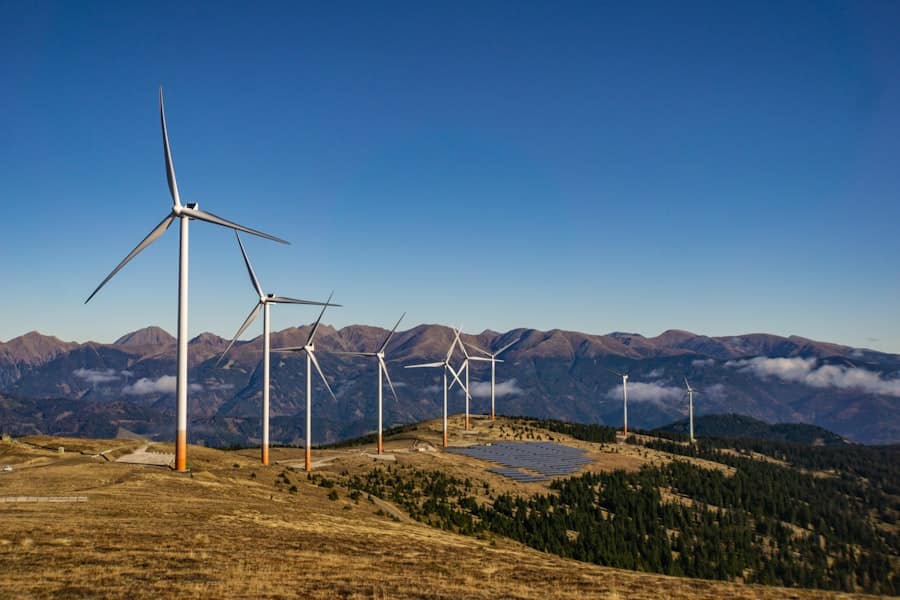
Energy output and efficiency are paramount considerations when comparing wind and solar energy. The amount of electricity generated by each technology depends on various factors, including location, weather conditions, and system design. Wind energy can produce a significant amount of power in areas with strong and consistent winds, making it an attractive option for regions like coastal areas or open plains.
However, its output can be intermittent, as wind speeds fluctuate throughout the day and across seasons. Solar energy, on the other hand, offers a more predictable output during daylight hours. The efficiency of solar panels has improved dramatically over the years, with many modern systems converting over 20% of sunlight into electricity.
However, their effectiveness diminishes during cloudy days or at night when sunlight is absent. As you weigh these factors, consider how your local climate and geography may influence the energy output of each technology, ultimately guiding you toward the most efficient solution for your needs.
Environmental Impact and Sustainability
Both wind and solar energy are heralded for their minimal environmental impact compared to traditional fossil fuels. Wind energy produces no greenhouse gas emissions during operation, making it a clean source of power that contributes to reducing air pollution. However, the construction of wind farms can disrupt local ecosystems and wildlife habitats, particularly for birds and bats that may collide with turbine blades.
As you consider wind energy, it’s essential to evaluate these potential impacts and explore ways to mitigate them through careful site selection and technology improvements. Solar energy also boasts a low environmental footprint, but it is not without its challenges. The production of solar panels involves the use of certain materials that can be harmful if not managed properly.
Additionally, large-scale solar farms may require significant land use, which could affect local flora and fauna. Nevertheless, advancements in recycling technologies are helping to address these concerns by ensuring that old panels can be repurposed rather than ending up in landfills. By understanding the environmental implications of both options, you can make a more informed decision that aligns with your sustainability goals.
Geographic Considerations
Geographic considerations play a crucial role in determining the viability of wind and solar energy for your specific situation. Wind energy is most effective in regions with consistent wind patterns, such as coastal areas or open plains where natural airflow is unobstructed. If you live in an area with frequent calm days or turbulent winds, investing in wind turbines may not yield the desired results.
Conducting a thorough assessment of local wind resources will help you gauge whether this option is suitable for your energy needs. Conversely, solar energy can be harnessed almost anywhere but is particularly effective in regions with abundant sunlight. Areas closer to the equator or those with fewer cloudy days will see higher energy outputs from solar panels.
Additionally, advancements in solar technology have made it possible to generate electricity even in less-than-ideal conditions. As you evaluate your geographic location, consider how local climate patterns will influence the performance of both wind and solar systems in meeting your energy demands.
Government Incentives and Policies
Financial Incentives for Renewable Energy
Researching available programs in your area will provide valuable insights into how much you could save by choosing either wind or solar energy. In addition to financial incentives, government policies regarding renewable energy can shape the market landscape.
Government Policies and Renewable Energy
Some regions have established renewable portfolio standards that require utilities to source a certain percentage of their power from renewable sources. This creates a favorable environment for both wind and solar projects by increasing demand for clean energy solutions.
Making an Informed Decision
Staying informed about local regulations and incentives will empower you to make a more strategic decision regarding which renewable technology aligns best with your financial situation and long-term goals.
Reliability and Resilience
Reliability and resilience are essential factors when considering your energy options. Wind and solar energy systems can provide clean power; however, their intermittent nature raises questions about reliability during peak demand periods or adverse weather conditions. Wind turbines may generate less electricity during calm days or storms, while solar panels are dependent on sunlight availability.
To address these challenges, many homeowners are exploring hybrid systems that combine both technologies to create a more reliable energy solution. In addition to hybrid systems, battery storage technology has advanced significantly in recent years, allowing you to store excess energy generated during peak production times for use during periods of low output. This added layer of resilience ensures that you have access to electricity even when natural conditions are not favorable for generation.
By considering reliability and resilience in your decision-making process, you can choose an energy solution that meets your needs while minimizing disruptions.
Technological Advancements and Innovation
The renewable energy sector is characterized by rapid technological advancements that continually enhance the efficiency and effectiveness of both wind and solar systems. Innovations such as improved turbine designs have increased the capacity of wind farms to generate electricity even at lower wind speeds. Similarly, advancements in solar panel technology have led to higher efficiency rates and reduced costs over time.
As you explore your options for renewable energy, staying informed about emerging technologies will help you make a more educated choice. For instance, developments in floating solar farms are opening new possibilities for harnessing solar power on bodies of water where land use is limited. Additionally, smart grid technologies are improving the integration of renewable sources into existing infrastructure, allowing for better management of electricity supply and demand.
Embracing these innovations will enable you to maximize the benefits of your chosen renewable energy source.
Integration with Existing Infrastructure
Integrating renewable energy sources with existing infrastructure is another critical consideration as you evaluate your options. Both wind and solar systems can be connected to the grid or used in off-grid applications depending on your needs. If you live in an area with a well-established electrical grid, connecting your renewable system can provide access to backup power when needed while allowing you to sell excess electricity back to the grid.
However, if you’re considering an off-grid solution—perhaps due to remote living conditions—understanding how to effectively integrate wind or solar systems into your current setup becomes paramount. This may involve investing in battery storage systems or backup generators to ensure a consistent power supply during periods of low generation. By carefully assessing how each technology can fit into your existing infrastructure, you can create a seamless transition toward renewable energy.
Long-Term Return on Investment
When contemplating a switch to renewable energy sources like wind or solar power, evaluating the long-term return on investment (ROI) is essential for making an informed decision. While initial costs may seem daunting, both technologies offer significant savings over time through reduced utility bills and potential income from selling excess power back to the grid. Additionally, as fossil fuel prices continue to fluctuate, investing in renewable sources provides a level of price stability that traditional energy sources cannot guarantee.
Moreover, many homeowners find that their property values increase after installing renewable energy systems due to growing interest in sustainable living practices among buyers. This added value can further enhance your ROI over time as more people seek eco-friendly homes equipped with clean energy solutions. By considering both immediate savings and long-term benefits when evaluating your options, you can make a choice that aligns with your financial goals while contributing positively to the environment.
Making the Right Choice for Your Energy Needs
In conclusion, choosing between wind energy and solar energy requires careful consideration of various factors including cost analysis, efficiency, environmental impact, geographic suitability, government incentives, reliability, technological advancements, integration capabilities, and long-term ROI. Each option presents unique advantages that cater to different needs and circumstances. As you weigh these elements against your personal or business objectives, remember that there is no one-size-fits-all solution when it comes to renewable energy.
By conducting thorough research and possibly consulting with experts in the field, you can make an informed decision that not only meets your immediate energy needs but also contributes positively to a sustainable future for generations to come. Whether you opt for wind or solar—or even a combination of both—embracing renewable energy is a step toward reducing your carbon footprint while enjoying the benefits of clean power.
When considering the investment potential of solar energy, it is important to also take into account the efficiency tips and strategies that can maximize its benefits. A related article on solar energy’s time revolution efficiency tips and strategies provides valuable insights on how to make the most out of solar energy systems. By implementing these tips and strategies, individuals and businesses can ensure that they are getting the most out of their investment in solar energy.
FAQs
What is wind energy?
Wind energy is the process of harnessing the power of the wind to generate electricity. This is typically done using wind turbines, which convert the kinetic energy of the wind into mechanical power, which is then used to generate electricity.
What is solar energy?
Solar energy is the process of harnessing the power of the sun to generate electricity. This is typically done using solar panels, which convert sunlight into electricity through the photovoltaic effect.
What are the advantages of wind energy?
Some advantages of wind energy include its renewable nature, low operating costs, and minimal environmental impact. Wind energy also has the potential to provide a significant amount of electricity, particularly in areas with consistent wind patterns.
What are the advantages of solar energy?
Some advantages of solar energy include its renewable nature, low operating costs, and minimal environmental impact. Solar energy can also be deployed on a small scale, making it accessible to individual homeowners and businesses.
Which is the better investment, wind energy or solar energy?
The better investment between wind energy and solar energy depends on various factors such as location, available resources, and specific project requirements. Both wind and solar energy have their own advantages and disadvantages, and the best investment choice will vary depending on the specific circumstances of each project.