
Energy poverty is a pressing issue that affects millions of people worldwide, particularly in developing regions. It refers to the lack of access to modern energy services, which can include electricity, clean cooking facilities, and heating. You may find it surprising that energy poverty is not merely about the absence of energy; it also encompasses the inability to afford energy services that are essential for a decent quality of life.
This situation often leads to a cycle of poverty, where individuals and families are unable to escape their circumstances due to the lack of reliable energy sources. In many parts of the world, particularly in rural areas, you may encounter communities that rely on traditional biomass for cooking and heating. This reliance not only poses health risks due to indoor air pollution but also limits educational and economic opportunities.
Without access to electricity, children struggle to study after dark, and adults miss out on job opportunities that require modern technology. Understanding energy poverty is crucial for addressing its root causes and finding sustainable solutions that can uplift entire communities.
Key Takeaways
- Energy poverty is a lack of access to modern energy services, affecting millions of people worldwide.
- Energy poverty has negative impacts on health, education, and economic development in communities.
- Solar energy has the potential to provide affordable and sustainable energy solutions in energy poverty-affected areas.
- Solar energy offers advantages such as cost-effectiveness, environmental sustainability, and independence from traditional energy sources.
- Challenges in implementing solar energy solutions in energy poverty-affected areas include initial costs, technical expertise, and policy barriers.
The Impact of Energy Poverty on Communities
Health Impacted by Energy Poverty
Health outcomes are significantly worse in areas suffering from energy poverty. The lack of access to clean energy sources contributes to respiratory diseases and other health issues, particularly among women and children who are often responsible for cooking. Furthermore, without reliable electricity, healthcare facilities struggle to provide essential services, leading to higher mortality rates and poorer overall health.
Education Hindered by Energy Poverty
Education is another critical area impacted by energy poverty. Without electricity, schools cannot provide adequate lighting for evening classes or access to digital resources that are increasingly vital in today’s educational landscape. This lack of educational opportunities perpetuates the cycle of poverty, as young people grow up without the skills needed to secure better jobs.
Social Fabric Frayed by Energy Poverty
The social fabric of these communities can fray as well, as frustration and hopelessness set in when individuals see no way out of their circumstances.
The Potential of Solar Energy in Alleviating Energy Poverty
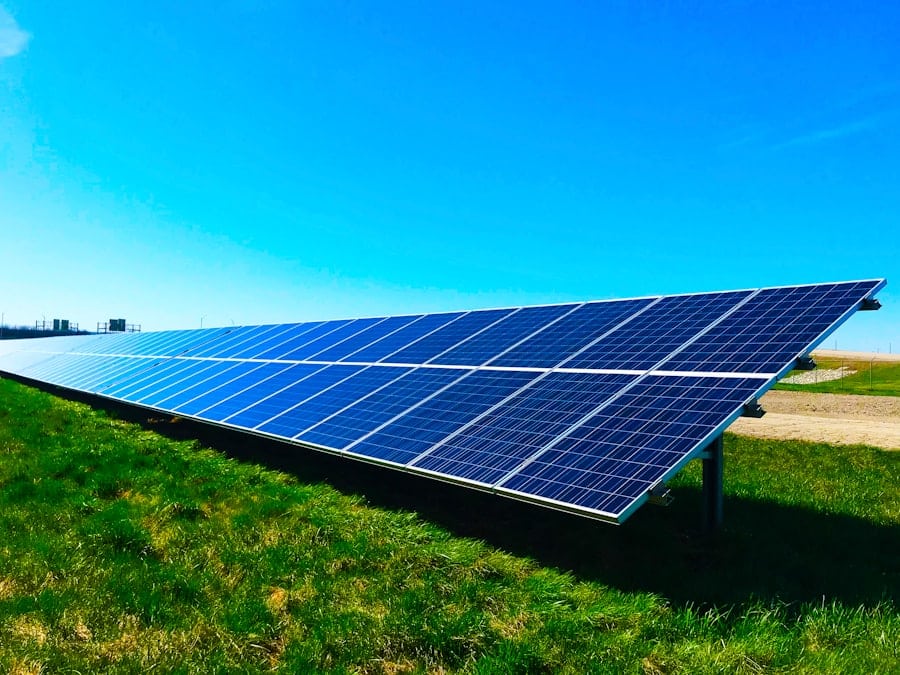
Solar energy presents a promising solution to the challenges posed by energy poverty. You may be aware that solar power is abundant, renewable, and increasingly affordable, making it an ideal candidate for addressing the energy needs of underserved communities. By harnessing the sun’s energy, you can provide electricity to homes and businesses that have long been without reliable power sources.
This transition not only improves living conditions but also opens up new avenues for economic development. Moreover, solar energy systems can be deployed quickly and at various scales, from small household setups to larger community solar projects. This flexibility allows you to tailor solutions to meet the specific needs of different communities.
In many cases, solar installations can be set up in remote areas where traditional grid infrastructure is either non-existent or prohibitively expensive to develop. By investing in solar energy, you can help break the cycle of energy poverty and empower communities to take control of their energy futures.
Advantages of Solar Energy in Addressing Energy Poverty
One of the most significant advantages of solar energy is its sustainability. Unlike fossil fuels, which are finite and contribute to environmental degradation, solar power is a clean and inexhaustible resource. You may appreciate that by transitioning to solar energy, communities can reduce their carbon footprint while simultaneously improving their quality of life.
This dual benefit makes solar an attractive option for those looking to combat both energy poverty and climate change. Additionally, solar energy systems can lead to job creation within local communities. As you may know, the installation and maintenance of solar panels require skilled labor, which can stimulate local economies.
Training programs can be established to equip individuals with the necessary skills, thereby fostering a sense of ownership and pride in the community’s energy solutions. Furthermore, as more people gain access to electricity through solar power, you will likely see an increase in entrepreneurial activities, as small businesses can thrive with reliable energy sources.
Challenges in Implementing Solar Energy Solutions in Energy Poverty-Stricken Areas
Despite its potential, implementing solar energy solutions in areas affected by energy poverty is not without challenges. One significant hurdle is the initial cost associated with purchasing and installing solar systems. While prices have decreased over the years, you may find that many families still struggle to afford even basic solar setups.
Financing options and subsidies are essential to make these technologies accessible to those who need them most. Another challenge lies in the lack of infrastructure and technical expertise in remote areas. You might encounter situations where communities lack the necessary support systems for maintaining solar installations or where there is insufficient knowledge about how to operate them effectively.
To overcome these barriers, it is crucial to invest in education and training programs that empower local residents with the skills needed to manage their solar systems successfully.
Successful Case Studies of Solar Energy Projects in Reducing Energy Poverty
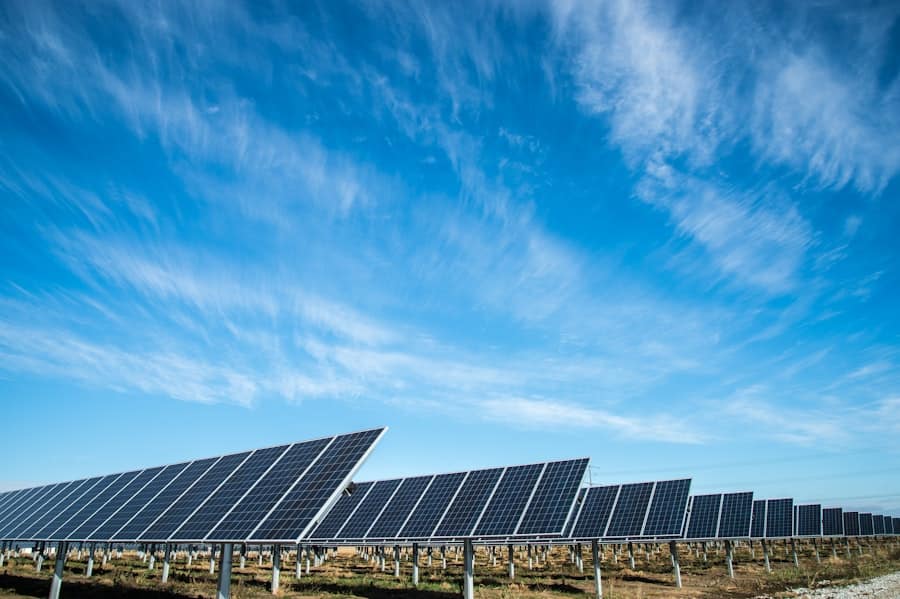
There are numerous inspiring case studies that demonstrate the effectiveness of solar energy in alleviating energy poverty. For instance, you may have heard about projects in countries like Bangladesh, where solar home systems have been deployed in rural areas. These systems have transformed lives by providing families with access to electricity for lighting, mobile charging, and even small appliances.
As a result, you will find that children can study at night, and families can engage in income-generating activities after dark. Another notable example is found in Kenya, where community solar projects have been implemented to provide power to schools and health clinics. These initiatives not only improve educational outcomes but also enhance healthcare services by ensuring that clinics have reliable electricity for refrigeration and medical equipment.
By examining these successful projects, you can see how targeted investments in solar energy can lead to tangible improvements in quality of life for those living in energy poverty.
Policy and Government Initiatives to Promote Solar Energy in Energy Poverty Reduction
Government policies play a crucial role in promoting solar energy as a solution for energy poverty. You may be aware that many countries have begun implementing supportive policies aimed at increasing access to renewable energy sources. These initiatives often include financial incentives such as tax credits or grants for solar installations, making it easier for low-income households to adopt this technology.
In addition to financial support, governments can facilitate partnerships between private companies and local communities to develop solar projects tailored to specific needs. By fostering collaboration among stakeholders, you can create a more inclusive approach to addressing energy poverty. Furthermore, regulatory frameworks that streamline the permitting process for solar installations can encourage investment and innovation in this sector.
The Role of Non-Governmental Organizations in Promoting Solar Energy in Energy Poverty Reduction
Non-governmental organizations (NGOs) play an essential role in advocating for solar energy solutions in energy-poor regions. You might find that many NGOs focus on raising awareness about the importance of renewable energy while also providing technical assistance and funding for solar projects. Their grassroots approach often allows them to connect directly with communities, ensuring that solutions are culturally appropriate and effectively address local needs.
Moreover, NGOs often serve as intermediaries between communities and government agencies or private investors. By facilitating communication and collaboration among various stakeholders, they help ensure that projects are sustainable and beneficial for all involved. Your support for these organizations can amplify their impact and contribute significantly to reducing energy poverty through solar initiatives.
Community Empowerment through Solar Energy Solutions
Empowering communities through solar energy solutions is a vital aspect of addressing energy poverty effectively. When you invest in local solar projects, you enable residents to take charge of their energy needs rather than relying on external sources that may not prioritize their interests. This empowerment fosters a sense of ownership and responsibility among community members, leading to more sustainable practices.
Additionally, as communities gain access to reliable electricity through solar power, you will likely witness an increase in social cohesion and collaboration among residents. People come together to share knowledge about maintenance and operation while also exploring new business opportunities that arise from having access to electricity. This collective effort not only strengthens community bonds but also enhances resilience against future challenges related to energy access.
The Future of Solar Energy in Reducing Energy Poverty
The future of solar energy as a tool for reducing energy poverty looks promising. With advancements in technology driving down costs and increasing efficiency, you may find that more communities will be able to harness this renewable resource effectively. As awareness grows about the benefits of solar power, both at local and global levels, there will likely be increased investment in infrastructure and training programs aimed at supporting these initiatives.
Moreover, as climate change continues to pose significant threats worldwide, transitioning to renewable energy sources like solar will become even more critical. You might see governments prioritizing clean energy solutions as part of their commitments to reducing greenhouse gas emissions while simultaneously addressing social inequalities related to energy access.
How Individuals Can Contribute to Reducing Energy Poverty through Solar Energy
As an individual, you have the power to contribute significantly to reducing energy poverty through your support for solar initiatives. One way you can make a difference is by advocating for policies that promote renewable energy access at local and national levels. Engaging with your representatives or participating in community discussions can help raise awareness about the importance of addressing energy poverty.
Additionally, consider supporting organizations that work directly with communities affected by energy poverty. Your donations or volunteer efforts can help fund solar projects or educational programs aimed at empowering individuals with the skills needed for sustainable energy management. By taking these steps, you not only contribute to alleviating energy poverty but also play a part in creating a more equitable and sustainable future for all.
A related article to The Role of Solar Energy in Reducing Energy Poverty discusses how consumer education and behavior change initiatives can promote effective solar energy time management. This article explores the importance of educating consumers on the benefits of solar energy and how their behavior can impact the success of solar energy initiatives. To learn more about this topic, you can read the article here.
FAQs
What is energy poverty?
Energy poverty refers to the lack of access to modern energy services, such as electricity and clean cooking facilities, which can have negative impacts on health, education, and economic opportunities.
How does solar energy help reduce energy poverty?
Solar energy can help reduce energy poverty by providing a clean, sustainable, and affordable source of electricity to communities that lack access to the power grid. Solar panels can be installed in remote areas to generate electricity for lighting, heating, and powering essential appliances.
What are the benefits of using solar energy to reduce energy poverty?
Using solar energy to reduce energy poverty can lead to improved health outcomes, increased educational opportunities, and economic empowerment for communities. It also helps reduce reliance on traditional, polluting energy sources and mitigates the impacts of climate change.
What are some challenges in using solar energy to reduce energy poverty?
Challenges in using solar energy to reduce energy poverty include the high upfront costs of solar panel installation, limited access to financing for solar projects, and the need for technical expertise to maintain and repair solar infrastructure in remote areas.
What are some successful examples of using solar energy to reduce energy poverty?
There are many successful examples of using solar energy to reduce energy poverty, including off-grid solar projects in rural communities, solar-powered microgrids, and solar home systems that provide electricity to households in developing countries. These initiatives have helped improve living standards and economic opportunities for millions of people.