
In an era marked by increasing natural disasters, the need for effective disaster preparedness has never been more critical. You may find yourself wondering how communities can better equip themselves to face the unpredictable nature of these events. One promising solution lies in the harnessing of solar energy.
As a renewable and sustainable power source, solar energy offers a multitude of benefits that can significantly enhance disaster preparedness and resilience. By integrating solar technology into emergency planning, communities can not only mitigate the impacts of disasters but also foster a sense of security and self-sufficiency. The integration of solar energy into disaster preparedness strategies is not merely a trend; it represents a paradigm shift in how we approach emergency management.
You might be surprised to learn that solar energy systems can be deployed quickly and efficiently, providing immediate relief in the aftermath of a disaster. This article will explore the various ways solar energy can be utilized to bolster disaster resilience, from ensuring reliable power supply to enhancing communication and health services. As you delve deeper into this topic, you will discover how solar energy can transform the landscape of disaster preparedness and response.
Key Takeaways
- Solar energy provides a reliable and sustainable power source in disaster situations, reducing dependence on traditional energy grids.
- Solar energy can be used to provide clean water and sanitation, addressing critical needs in disaster-affected areas.
- Solar energy enables communication and information access during disasters, supporting coordination and response efforts.
- Solar energy can be used for emergency medical care and health services, ensuring continuity of essential healthcare in disaster-affected areas.
- Solar energy contributes to food security and cooking needs in disaster situations, providing a sustainable and reliable energy source for cooking and food preservation.
The Benefits of Solar Energy in Disaster Resilience
Flexibility in Deployment
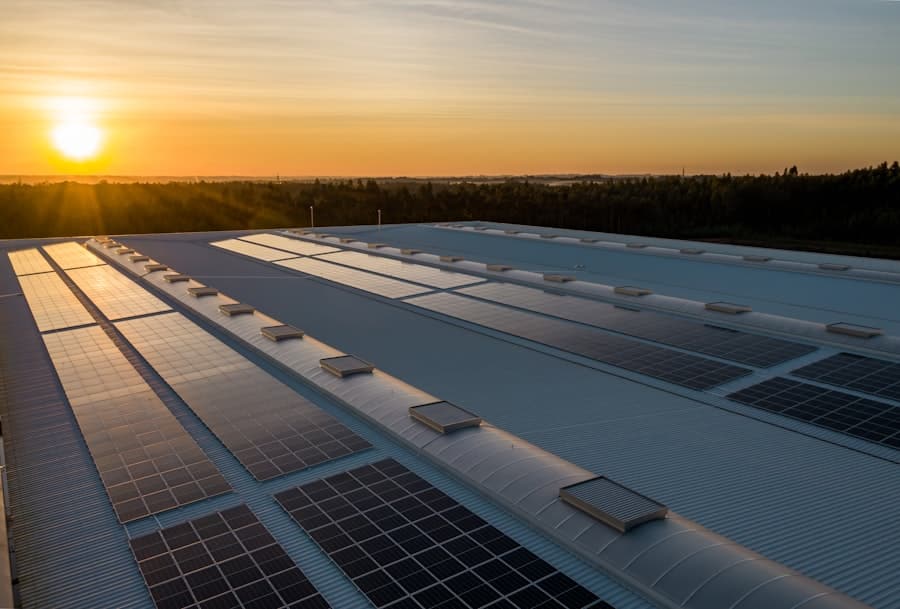
You may appreciate how solar panels can be installed on rooftops or in portable configurations, allowing for flexibility in deployment and ensuring that communities have access to electricity even in the most challenging circumstances. Moreover, solar energy contributes to environmental sustainability, which is increasingly important as climate change exacerbates the frequency and severity of natural disasters.
Long-term Sustainability
By investing in solar technology, you are not only preparing for immediate needs but also taking steps toward a more sustainable future. The reduction of greenhouse gas emissions associated with fossil fuel use is a significant benefit that aligns with global efforts to combat climate change.
Vital Component of Resilient Communities
As you consider the long-term implications of disaster preparedness, the role of solar energy becomes even more apparent as a vital component of resilient communities.
Solar Energy as a Reliable Power Source in Emergency Situations

In emergency situations, access to reliable power is paramount. You may have experienced firsthand how power outages can hinder rescue efforts and disrupt communication channels. Solar energy systems provide a dependable alternative that can be deployed rapidly in disaster-stricken areas.
With advancements in solar technology, portable solar generators can be set up quickly to provide electricity for essential services such as lighting, refrigeration, and charging devices. This immediacy can make a significant difference in the lives of those affected by disasters. Furthermore, the scalability of solar energy systems allows for tailored solutions based on community needs.
Whether it’s a small-scale installation for a single household or a larger system to power community centers, you can see how solar energy adapts to various contexts. This versatility ensures that even in the chaos following a disaster, communities can maintain some level of normalcy through access to power. As you reflect on the importance of reliable energy sources during emergencies, it becomes clear that solar energy is an invaluable asset in disaster preparedness.
The Role of Solar Energy in Providing Clean Water and Sanitation
Access to clean water and sanitation is often compromised during disasters, leading to health crises that can exacerbate the situation. You might be surprised to learn that solar energy can play a pivotal role in addressing these challenges. Solar-powered water purification systems can provide safe drinking water by utilizing sunlight to eliminate harmful pathogens.
This technology not only ensures access to clean water but also reduces reliance on bottled water, which may be scarce during emergencies. In addition to water purification, solar energy can support sanitation efforts through the powering of waste management systems. You may recognize that effective waste disposal is crucial in preventing disease outbreaks following disasters.
Solar-powered sanitation facilities can be established quickly, providing essential services while minimizing environmental impact. As you consider the multifaceted role of solar energy in disaster scenarios, it becomes evident that its applications extend far beyond mere electricity generation; they encompass vital health and safety measures as well.
Solar Energy for Communication and Information Access during Disasters
In times of crisis, communication is key to effective response and recovery efforts. You may have experienced how vital it is to stay informed about evolving situations during emergencies. Solar energy can facilitate communication by powering devices such as radios, mobile phones, and internet routers, ensuring that individuals and communities remain connected even when traditional power sources fail.
This connectivity is essential for disseminating information about evacuation routes, available resources, and safety protocols. Moreover, solar-powered communication systems can serve as lifelines for emergency responders. You might appreciate how these systems enable coordination among rescue teams and facilitate real-time updates on conditions in affected areas.
By ensuring that communication channels remain open, solar energy enhances situational awareness and fosters collaboration among various stakeholders involved in disaster response. As you consider the critical role of information access during emergencies, it becomes clear that solar energy is an indispensable tool for maintaining connectivity.
Solar Energy for Emergency Medical Care and Health Services
Access to medical care during disasters is often compromised due to power outages and damaged infrastructure. You may understand how crucial it is for healthcare facilities to maintain operations during such times. Solar energy can provide a reliable power source for hospitals and clinics, ensuring that essential medical equipment remains functional.
From powering life-saving devices to maintaining refrigeration for vaccines and medications, solar energy plays a vital role in safeguarding public health during emergencies. Additionally, mobile health units equipped with solar technology can be deployed to reach remote or underserved areas affected by disasters. You might find it reassuring that these units can provide critical medical services, including vaccinations and basic healthcare, even when traditional facilities are unavailable.
By integrating solar energy into healthcare delivery systems, communities can enhance their resilience and ensure that health services remain accessible during crises.
Solar Energy for Food Security and Cooking Needs in Disaster Situations
Food security is another pressing concern during disasters, as supply chains are often disrupted and access to cooking facilities may be limited. You may recognize that solar energy can help address these challenges by providing alternative cooking solutions. Solar cookers harness sunlight to prepare meals without the need for conventional fuels, making them an ideal option in disaster scenarios where resources are scarce.
Moreover, solar-powered refrigeration systems can help preserve perishable food items, reducing waste and ensuring that communities have access to nutritious meals during emergencies. You might appreciate how these solutions not only address immediate food needs but also contribute to long-term food security by promoting sustainable practices. As you consider the importance of food access during disasters, it becomes evident that solar energy offers innovative solutions that empower communities to meet their nutritional needs.
The Importance of Solar Energy in Shelter and Housing during Disasters
Shelter is a fundamental human need, especially during disasters when individuals may be displaced from their homes. You may understand that providing safe and secure housing is essential for recovery efforts. Solar energy can play a significant role in enhancing shelter options by powering temporary housing units or community centers where displaced individuals can seek refuge.
In addition to providing electricity for basic needs such as lighting and heating, solar energy can also support the construction of sustainable housing solutions. You might find it inspiring that communities are increasingly adopting solar technologies in their rebuilding efforts, creating homes that are not only resilient but also environmentally friendly. By integrating solar energy into shelter initiatives, you contribute to building stronger communities capable of withstanding future challenges.
Community Empowerment and Resilience through Solar Energy
The integration of solar energy into disaster preparedness strategies goes beyond mere infrastructure; it fosters community empowerment and resilience. You may recognize that when communities invest in renewable energy solutions, they take ownership of their preparedness efforts. This sense of agency encourages collaboration among residents, local organizations, and government agencies, creating a unified approach to disaster management.
Moreover, educational initiatives surrounding solar technology can equip individuals with valuable skills that extend beyond emergency situations. You might appreciate how training programs focused on solar installation and maintenance not only create job opportunities but also build local expertise in renewable energy solutions. As you consider the broader implications of community empowerment through solar energy, it becomes clear that these initiatives contribute to long-term resilience and sustainability.
Policy and Investment Considerations for Solar Energy in Disaster Preparedness
To fully realize the potential of solar energy in disaster preparedness, supportive policies and investments are essential. You may understand that government initiatives play a crucial role in promoting renewable energy adoption at both local and national levels. Incentives such as tax credits or grants for solar installations can encourage communities to invest in these technologies as part of their disaster preparedness strategies.
Additionally, public-private partnerships can facilitate funding for large-scale solar projects aimed at enhancing disaster resilience. You might find it encouraging that collaboration between government entities and private companies can lead to innovative solutions that address both immediate needs and long-term sustainability goals. As you reflect on the importance of policy frameworks in promoting solar energy adoption, it becomes evident that strategic investments are key to building resilient communities capable of facing future challenges.
The Future of Solar Energy in Disaster Resilience and Preparedness
As you contemplate the future of disaster preparedness, it is clear that solar energy will play an increasingly vital role in enhancing resilience across communities worldwide. The multifaceted applications of solar technology—from providing reliable power sources to supporting health services—demonstrate its potential to transform emergency response efforts fundamentally. By embracing renewable energy solutions like solar power, you contribute not only to immediate disaster preparedness but also to long-term sustainability goals.
In conclusion, the integration of solar energy into disaster preparedness strategies represents a forward-thinking approach that empowers communities to face challenges head-on. As you consider your own role in promoting resilience within your community, remember that investing in renewable energy solutions is an investment in a safer and more sustainable future for all. The journey toward enhanced disaster resilience through solar energy has just begun; together, we can pave the way for a brighter tomorrow.