
As the world increasingly turns to renewable energy sources, solar energy has emerged as a leading contender in the quest for sustainable power. You may have noticed that solar panels are becoming a common sight on rooftops and in large solar farms. However, the true potential of solar energy is unlocked through smart solar energy management systems.
These systems not only optimize the generation and consumption of solar power but also integrate advanced technologies to enhance efficiency and reliability. By harnessing the power of data and connectivity, smart solar energy management systems are revolutionizing how you can manage your energy needs. In this era of digital transformation, the integration of smart technologies into solar energy management is not just a trend; it’s a necessity.
You might be wondering how these systems work and what makes them “smart.” At their core, smart solar energy management systems utilize advanced algorithms, sensors, and communication technologies to monitor and control solar energy production and consumption in real-time. This article will delve into the role of the Internet of Things (IoT) in these systems, exploring how it enhances efficiency, optimizes performance, and contributes to a more sustainable future.
Key Takeaways
- Smart solar energy management systems utilize IoT technology to optimize energy production and consumption.
- IoT enables real-time monitoring and control of solar energy systems, leading to improved efficiency and performance.
- Integrating IoT in solar energy management systems allows for predictive maintenance and fault detection, enhancing system reliability.
- IoT contributes to remote monitoring and management of solar energy systems, improving accessibility and control.
- Security and privacy considerations are crucial in IoT-enabled solar energy management systems to protect against potential vulnerabilities.
Understanding the Internet of Things (IoT) and its Role in Energy Management
The Internet of Things (IoT) refers to the network of interconnected devices that communicate and exchange data over the internet. You may have encountered IoT in various forms, from smart home devices to industrial applications. In the context of energy management, IoT plays a pivotal role by enabling real-time data collection and analysis.
This connectivity allows for smarter decision-making processes that can significantly improve energy efficiency and sustainability. When it comes to solar energy management, IoT devices can monitor everything from solar panel performance to energy consumption patterns in your home or business. By collecting data from various sources, these devices provide insights that help you understand how much energy you are generating and using.
This information is crucial for optimizing your solar energy system, ensuring that you are making the most of your investment while reducing your carbon footprint.
The Benefits of Integrating IoT in Solar Energy Management Systems
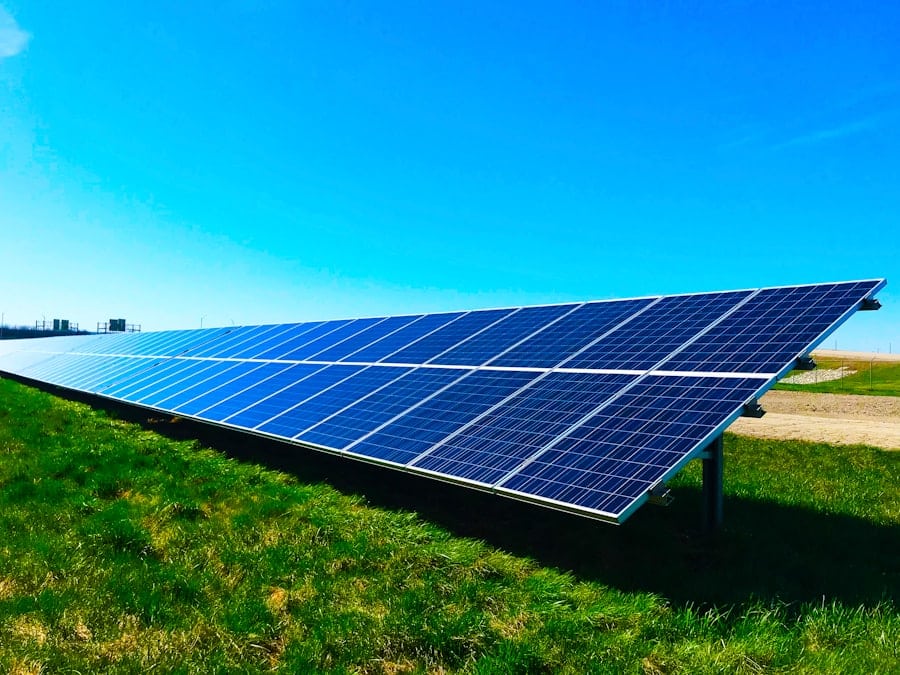
Integrating IoT into solar energy management systems offers numerous benefits that can enhance both efficiency and user experience. One of the most significant advantages is improved monitoring capabilities. With IoT sensors installed on your solar panels, you can receive real-time updates on their performance, allowing you to identify any issues before they escalate into costly repairs.
This proactive approach not only saves you money but also ensures that your solar system operates at peak efficiency. Another benefit of IoT integration is enhanced energy management. By analyzing data collected from your solar panels and your energy consumption patterns, IoT systems can provide recommendations on how to optimize your energy use.
For instance, you might receive alerts suggesting that you run high-energy appliances during peak sunlight hours when your solar panels are generating the most power. This level of insight empowers you to make informed decisions about your energy consumption, ultimately leading to lower utility bills and a reduced environmental impact.
How IoT Enables Real-time Monitoring and Control of Solar Energy Systems
Real-time monitoring is one of the standout features of IoT-enabled solar energy management systems. You can access data about your solar panels’ performance from anywhere, at any time, using a smartphone or computer. This capability allows you to track how much energy your system is generating and how much you are consuming in real-time.
If you notice any discrepancies or drops in performance, you can take immediate action to address the issue. Moreover, IoT technology enables remote control of your solar energy system. Imagine being able to adjust settings or troubleshoot problems without needing to be physically present at the site.
This level of control not only enhances convenience but also ensures that your system operates efficiently at all times. Whether you’re at home or on vacation, you can manage your solar energy system with ease, giving you peace of mind that your investment is protected.
The Role of IoT in Optimizing Solar Energy Production and Consumption
Optimizing solar energy production and consumption is essential for maximizing the benefits of your solar investment. IoT plays a crucial role in this optimization process by providing valuable insights into both generation and usage patterns. For instance, by analyzing historical data, IoT systems can predict when your solar panels will produce the most energy based on weather conditions and seasonal changes.
This predictive capability allows you to plan your energy usage accordingly. Additionally, IoT can facilitate demand response strategies that help balance energy supply and demand. For example, if your system detects that energy production is peaking during a sunny afternoon, it can automatically adjust your home’s energy consumption by running appliances or charging batteries during this time.
This not only maximizes the use of renewable energy but also reduces reliance on grid power during peak hours, ultimately leading to cost savings.
IoT’s Contribution to Predictive Maintenance and Fault Detection in Solar Energy Systems

One of the most significant advantages of integrating IoT into solar energy management is its ability to facilitate predictive maintenance and fault detection. You may have experienced the frustration of unexpected equipment failures that lead to costly downtime. With IoT sensors continuously monitoring the health of your solar panels and associated equipment, potential issues can be identified before they result in significant problems.
For instance, if a sensor detects a drop in performance or an unusual temperature reading on a panel, it can send an alert to your smartphone or computer. This early warning system allows you to take corrective action promptly, whether that means scheduling maintenance or adjusting settings to mitigate the issue. By adopting a predictive maintenance approach enabled by IoT technology, you can extend the lifespan of your solar equipment while minimizing repair costs.
Enhancing Energy Efficiency through IoT-enabled Smart Solar Energy Management
Energy efficiency is a critical component of sustainable living, and IoT-enabled smart solar energy management systems play a vital role in enhancing this efficiency. By providing real-time data on both production and consumption, these systems empower you to make informed decisions about how you use energy in your home or business. For example, if you notice that certain appliances consume more power than others during peak hours, you can adjust their usage patterns accordingly.
Moreover, IoT technology can facilitate automated energy-saving measures. For instance, smart thermostats can learn your preferences and adjust heating or cooling based on when you’re home or away. When integrated with your solar energy system, these devices can optimize their operation based on real-time solar production data, ensuring that you’re using renewable energy whenever possible.
This synergy between IoT devices and solar technology creates a more efficient energy ecosystem.
The Impact of IoT on Remote Monitoring and Management of Solar Energy Systems
Remote monitoring has become increasingly important in today’s fast-paced world, where convenience is key. With IoT-enabled solar energy management systems, you can monitor your solar panels’ performance from anywhere with an internet connection. This capability allows you to stay informed about your system’s health without needing to be physically present at the installation site.
In addition to monitoring performance, remote management capabilities enable you to make adjustments as needed. For example, if you’re away from home and receive an alert about a potential issue with your solar panels, you can troubleshoot remotely or contact a technician for assistance. This level of control not only enhances convenience but also ensures that your investment remains protected even when you’re not around.
Security and Privacy Considerations in IoT-enabled Solar Energy Management Systems
While the benefits of IoT integration in solar energy management are substantial, it’s essential to consider security and privacy implications as well. As with any connected device, there are risks associated with data breaches and unauthorized access to sensitive information. You should ensure that any IoT-enabled system you choose employs robust security measures such as encryption and secure authentication protocols.
Additionally, it’s crucial to be aware of how your data is being used and shared by service providers. Transparency regarding data collection practices is vital for maintaining trust between consumers and companies offering IoT solutions for solar energy management. By choosing reputable providers who prioritize security and privacy, you can enjoy the benefits of smart technology while minimizing potential risks.
Case Studies and Success Stories of IoT Integration in Solar Energy Management
Numerous case studies highlight the successful integration of IoT technology into solar energy management systems across various sectors. For instance, a commercial building equipped with an advanced IoT-enabled solar management system was able to reduce its energy costs by 30% within the first year of implementation. By leveraging real-time data analytics, the building’s management team optimized their energy consumption patterns based on solar production forecasts.
Another success story comes from a residential community that adopted an IoT-based solar management solution for its shared solar array. Residents were able to monitor their individual contributions and consumption through a user-friendly app, fostering a sense of community engagement around sustainability efforts. This initiative not only improved transparency but also encouraged residents to adopt more energy-efficient practices.
Future Trends and Innovations in IoT for Smart Solar Energy Management Systems
As technology continues to evolve, so too will the capabilities of IoT-enabled smart solar energy management systems. One promising trend is the integration of artificial intelligence (AI) with IoT technology to enhance predictive analytics further. By leveraging machine learning algorithms, these systems could become even more adept at forecasting energy production based on historical data and real-time environmental conditions.
Additionally, advancements in battery storage technology will likely play a significant role in future innovations. As battery systems become more efficient and affordable, integrating them with IoT-enabled solar management systems will allow for better storage solutions that maximize renewable energy use during peak demand periods. This synergy will pave the way for more resilient and sustainable energy ecosystems.
In conclusion, smart solar energy management systems powered by IoT technology represent a significant leap forward in optimizing renewable energy use. By understanding how these systems work and their benefits, you can make informed decisions about adopting this technology for your own needs. As we move toward a more sustainable future, embracing innovations like IoT will be crucial in maximizing the potential of solar energy while minimizing our environmental impact.
In a related article titled Unlocking the Solar Clock Efficiency Secrets for Sustainable Living, the focus is on maximizing the efficiency of solar energy systems through smart time management. This article delves into the importance of understanding the optimal times for solar energy production and consumption to achieve sustainable living. It complements the discussion on the role of IoT in smart solar energy management systems by providing insights on how to harness the full potential of solar energy through effective time management strategies.
FAQs
What is IoT?
IoT stands for Internet of Things, which refers to the network of physical devices, vehicles, home appliances, and other items embedded with electronics, software, sensors, actuators, and connectivity which enables these things to connect and exchange data.
What is a Smart Solar Energy Management System?
A Smart Solar Energy Management System is a system that uses IoT technology to monitor and manage solar energy production and consumption. It allows for real-time monitoring, control, and optimization of solar energy systems.
How does IoT contribute to Smart Solar Energy Management Systems?
IoT technology enables the collection of real-time data from solar panels, inverters, and other components of a solar energy system. This data can be used to optimize energy production, monitor system performance, and identify potential issues.
What are the benefits of using IoT in Smart Solar Energy Management Systems?
The use of IoT in Smart Solar Energy Management Systems can lead to increased energy efficiency, improved system performance, proactive maintenance, and cost savings. It also allows for remote monitoring and control of solar energy systems.
How does IoT enable remote monitoring and control of solar energy systems?
IoT technology allows for the remote access and control of solar energy systems through web-based platforms or mobile applications. This enables users to monitor system performance, adjust settings, and receive alerts and notifications from anywhere with an internet connection.
What are some examples of IoT applications in Smart Solar Energy Management Systems?
Examples of IoT applications in Smart Solar Energy Management Systems include real-time monitoring of solar panel performance, predictive maintenance based on data analytics, remote control of energy storage systems, and integration with smart grid technologies.