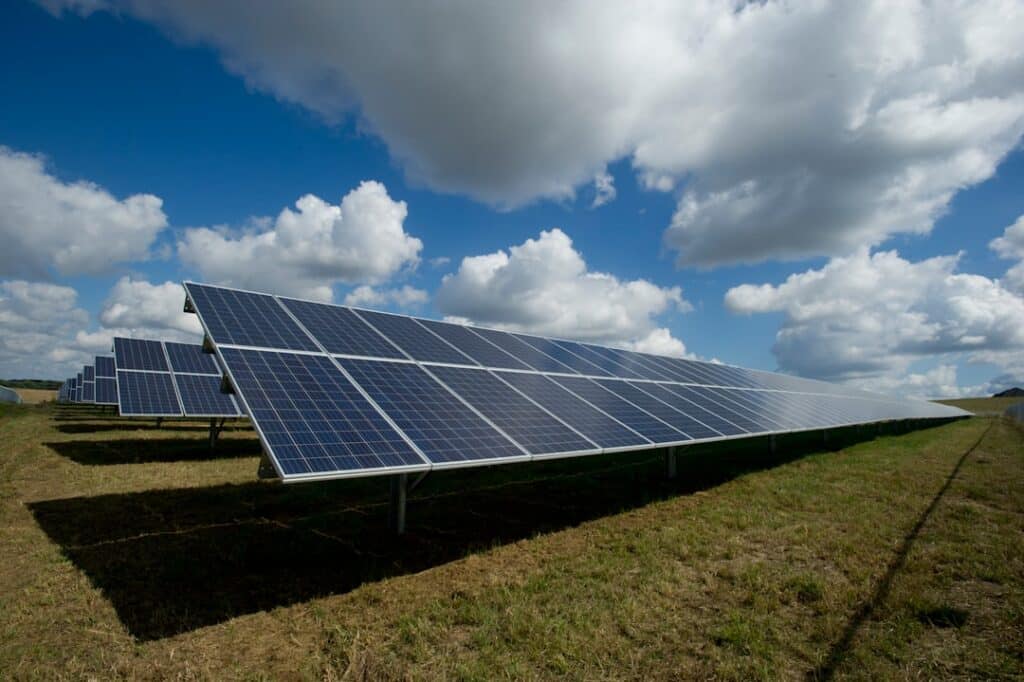
As you embark on your journey to understand solar energy, it’s essential to grasp the fundamental concepts that underpin this powerful resource. Solar energy is derived from the sun’s rays, which can be harnessed and converted into usable forms of energy, such as electricity and heat. This renewable energy source is abundant and sustainable, making it a vital player in the global shift towards cleaner energy solutions.
By tapping into solar energy, you can reduce your carbon footprint and contribute to a more sustainable future. At its core, solar energy operates through two primary technologies: photovoltaic (PV) systems and solar thermal systems. PV systems convert sunlight directly into electricity using solar panels made of semiconductor materials, while solar thermal systems capture heat from the sun to produce hot water or steam for heating purposes.
Understanding these technologies will empower you to make informed decisions about how to incorporate solar energy into your life, whether for personal use or broader community initiatives.
Key Takeaways
- Solar energy is a renewable and sustainable source of power that comes from the sun.
- Solar energy systems and technology include solar panels, inverters, and batteries to capture and store energy.
- Investing in solar energy can lead to long-term cost savings and a reduced carbon footprint.
- Practical tips for sustainable living include reducing energy consumption and using energy-efficient appliances.
- Homeowners can save money by going solar through incentives, tax credits, and net metering programs.
Harnessing the Power of the Sun: Solar Energy Systems and Technology
When you consider harnessing solar energy, it’s crucial to familiarize yourself with the various systems and technologies available. Solar panels are perhaps the most recognizable component of solar energy systems. These panels are typically installed on rooftops or in open spaces, where they can absorb sunlight efficiently.
The electricity generated can be used to power your home or business, stored in batteries for later use, or fed back into the grid. In addition to traditional solar panels, advancements in technology have led to innovative solutions such as solar shingles and concentrated solar power (CSP) systems. Solar shingles blend seamlessly with your roof while generating electricity, offering an aesthetically pleasing alternative to conventional panels.
CSP systems, on the other hand, utilize mirrors or lenses to concentrate sunlight onto a small area, generating heat that can be converted into electricity. By exploring these technologies, you can find the best fit for your energy needs and preferences.
The Economics of Solar Energy: Investing in a Sustainable Future

Investing in solar energy is not just an environmentally conscious choice; it can also be a financially savvy decision. As you evaluate the economics of solar energy, consider the long-term savings on your utility bills. With decreasing costs of solar technology and various incentives available, many homeowners and businesses are finding that the initial investment pays off over time.
Tax credits, rebates, and net metering programs can significantly reduce the upfront costs associated with installing solar systems. Moreover, as fossil fuel prices fluctuate and environmental regulations tighten, the stability of solar energy prices becomes increasingly appealing. By investing in solar energy now, you can shield yourself from future price hikes and contribute to a more sustainable economy.
The transition to solar energy not only benefits your wallet but also supports job creation in the renewable energy sector, fostering economic growth in your community.
Sustainable Living 101: Practical Tips for Eco-Friendly Living
Embracing sustainable living goes beyond just adopting solar energy; it encompasses a holistic approach to reducing your environmental impact. Start by evaluating your daily habits and identifying areas where you can make eco-friendly choices. Simple actions like reducing water usage, recycling, and minimizing single-use plastics can significantly contribute to a greener lifestyle.
You might also consider composting organic waste to enrich your garden soil while reducing landfill contributions. In addition to these practices, consider how your transportation choices affect the environment. Opting for public transport, carpooling, biking, or walking whenever possible can reduce your carbon footprint.
If you’re in the market for a new vehicle, exploring electric or hybrid options can further align your transportation choices with your commitment to sustainability. By integrating these practical tips into your daily routine, you’ll not only enhance your quality of life but also inspire those around you to adopt similar eco-friendly practices.
Solar Energy for Homeowners: How to Go Solar and Save Money
As a homeowner considering solar energy, you may wonder about the steps involved in making the switch. The first step is to assess your home’s suitability for solar panels. Factors such as roof orientation, shading from trees or buildings, and local climate conditions play a significant role in determining how much sunlight your panels will receive.
Once you’ve established that your home is a good candidate for solar installation, it’s time to research reputable solar providers in your area. After selecting a provider, you’ll work together to design a system tailored to your energy needs and budget. Many homeowners opt for financing options such as solar loans or leases that allow them to install panels with little or no upfront cost.
Additionally, take advantage of available incentives and rebates that can further reduce your overall investment. By going solar, you not only save money on electricity bills but also increase your property value while contributing to a cleaner environment.
Green Building and Design: Incorporating Solar Energy into Architecture

Incorporating solar energy into building design is an exciting frontier in sustainable architecture. As you explore green building practices, consider how passive solar design principles can enhance energy efficiency in new constructions or renovations. This approach involves strategically placing windows and using thermal mass materials to maximize natural light and heat retention while minimizing reliance on artificial heating and cooling systems.
Moreover, integrating solar panels into the architectural design can create visually appealing structures that harmonize with their surroundings. Innovative designs such as building-integrated photovoltaics (BIPV) allow for seamless integration of solar technology into roofs, facades, and even windows. By prioritizing sustainability in building design, you contribute not only to energy efficiency but also to creating spaces that inspire others to embrace eco-friendly living.
The Future of Solar Energy: Innovations and Emerging Technologies
The future of solar energy is bright, with continuous innovations paving the way for more efficient and accessible solutions. As you look ahead, keep an eye on emerging technologies such as perovskite solar cells, which promise higher efficiency rates at lower production costs compared to traditional silicon-based cells. These advancements could revolutionize the solar industry by making renewable energy more affordable for everyone.
Additionally, developments in energy storage technology are crucial for maximizing the potential of solar energy. As battery technology improves, homeowners and businesses will be able to store excess energy generated during sunny days for use during cloudy periods or at night. This capability enhances grid stability and allows for greater independence from traditional energy sources.
By staying informed about these innovations, you can better understand how they may impact your own energy choices in the coming years.
Environmental Impact and Climate Change: The Role of Solar Energy
Solar energy plays a pivotal role in combating climate change by reducing greenhouse gas emissions associated with fossil fuel consumption. As you consider the environmental impact of your energy choices, recognize that transitioning to solar power can significantly decrease your carbon footprint. By harnessing clean energy from the sun, you contribute to a global effort aimed at mitigating climate change and protecting our planet for future generations.
Moreover, investing in solar energy helps reduce air pollution caused by burning fossil fuels. Cleaner air leads to improved public health outcomes and enhances overall quality of life in communities across the globe. By advocating for renewable energy solutions like solar power, you become part of a larger movement dedicated to creating a healthier environment and promoting sustainable practices that benefit both people and the planet.
Solar Energy for Businesses: Implementing Sustainable Practices
For businesses looking to adopt sustainable practices, integrating solar energy into operations presents numerous advantages. As you explore this option, consider how installing solar panels can reduce operational costs while enhancing your brand’s reputation as an environmentally responsible entity. Many consumers today prioritize sustainability when making purchasing decisions; thus, showcasing your commitment to renewable energy can attract eco-conscious customers.
Additionally, businesses that invest in solar energy may benefit from tax incentives and grants designed to promote renewable energy adoption. These financial incentives can offset installation costs and improve return on investment over time. By implementing sustainable practices through solar energy adoption, you not only contribute positively to the environment but also position your business as a leader in corporate social responsibility.
Renewable Energy Policy and Advocacy: Shaping a Greener World
Engaging in renewable energy policy advocacy is essential for driving systemic change toward a greener world. As an individual passionate about sustainability, consider how you can influence local policies that support renewable energy initiatives. This may involve participating in community meetings, joining advocacy groups focused on clean energy legislation, or even reaching out to elected officials to express your support for renewable energy programs.
By advocating for policies that promote solar energy adoption—such as tax incentives for homeowners or businesses—you help create an environment conducive to sustainable practices. Your voice matters; collective action can lead to significant changes at local, state, and national levels that prioritize renewable energy development and investment.
Inspirational Stories and Case Studies: Real-Life Examples of Solar Energy Success
To truly appreciate the impact of solar energy, look no further than real-life success stories that showcase its transformative potential. For instance, consider communities that have banded together to create solar co-ops—groups of residents who pool resources to install solar panels collectively at reduced costs. These initiatives not only empower individuals but also foster a sense of community while promoting renewable energy adoption.
Another inspiring example is businesses that have successfully transitioned to solar power while achieving significant cost savings and environmental benefits. Companies like IKEA have committed to becoming climate positive by investing heavily in renewable energy sources like solar power across their operations worldwide. These stories serve as powerful reminders that embracing solar energy is not just an individual choice; it’s part of a larger movement toward sustainability that can inspire others to follow suit.
In conclusion, understanding and embracing solar energy opens up a world of possibilities for individuals and communities alike. By harnessing this abundant resource through innovative technologies and sustainable practices, you contribute not only to personal savings but also to a healthier planet for future generations. Whether you’re a homeowner looking to go solar or an advocate pushing for policy changes, every action counts in shaping a greener world powered by renewable energy.
If you are interested in learning more about how data analytics and machine learning can be harnessed to optimize solar energy time management at a granular level, check out this article on how data analytics and machine learning can optimize solar energy time management. This article explores the potential benefits and challenges of using advanced technologies to improve the efficiency of solar energy systems.
FAQs
What are the best books on solar energy and sustainable living?
Some of the best books on solar energy and sustainable living include “The Solar House: Passive Heating and Cooling” by Daniel D. Chiras, “Solar Electricity Handbook: A Simple, Practical Guide to Solar Energy” by Michael Boxwell, and “The Self-Sufficient Life and How to Live It: The Complete Back-to-Basics Guide” by John Seymour.
What topics do these books cover?
These books cover a range of topics related to solar energy and sustainable living, including passive heating and cooling techniques, practical guides to solar energy, and back-to-basics living skills such as growing your own food and sustainable energy sources.
Are these books suitable for beginners?
Yes, these books are suitable for beginners as they provide comprehensive information and practical guidance on solar energy and sustainable living in an accessible manner.
Where can I find these books?
These books can be found in bookstores, online retailers such as Amazon, and in libraries. They may also be available as e-books for digital download.