When considering solar panel installation, it’s essential to grasp the various factors that influence the overall cost. One of the primary elements is the size of your solar system. The larger the system, the more panels you will need, which directly correlates to higher costs.
Additionally, the type of solar panels you choose can significantly impact your budget. High-efficiency panels may come with a steeper price tag but can yield more energy, potentially offsetting costs in the long run. You should also consider your location, as solar energy incentives and sunlight availability can vary widely from one region to another.
Another critical factor is the complexity of your installation site. If your roof is steep, shaded, or requires structural modifications, you may face additional expenses. Furthermore, local regulations and building codes can affect installation costs.
Understanding these variables will help you make informed decisions and prepare for the financial commitment involved in going solar. By evaluating these factors, you can better estimate your potential investment and identify ways to optimize your solar panel installation.
Key Takeaways
- The location, size, and angle of the roof, as well as the quality and type of solar panels, are factors that affect solar panel installation cost.
- The cost of solar panels and equipment can vary based on the brand, efficiency, and capacity of the panels, as well as the type of inverter and mounting system used.
- Labor and installation costs for solar panels can be influenced by the complexity of the installation, the need for additional equipment, and the experience of the installation team.
- Permitting and inspection fees are additional costs to consider when installing solar panels, and they can vary depending on local regulations and requirements.
- Financing options such as solar loans, leases, and power purchase agreements can help make solar panel installation more affordable for homeowners and businesses.
The Cost of Solar Panels and Equipment
The cost of solar panels and associated equipment is a significant portion of your overall investment. On average, solar panels can range from $15,000 to $30,000 for a typical residential installation, depending on the system size and type of panels selected. You should also factor in additional equipment such as inverters, batteries, and mounting systems.
Inverters convert the direct current (DC) generated by solar panels into alternating current (AC) for use in your home, and their quality can affect both performance and longevity. When selecting solar panels, you may encounter various options, including monocrystalline, polycrystalline, and thin-film panels. Monocrystalline panels are often more efficient and take up less space but tend to be pricier.
Polycrystalline panels are generally more affordable but may require more surface area for the same energy output. Thin-film panels are lightweight and flexible but usually have lower efficiency rates. By understanding these differences, you can choose the right equipment that aligns with your energy needs and budget.
Labor and Installation Costs
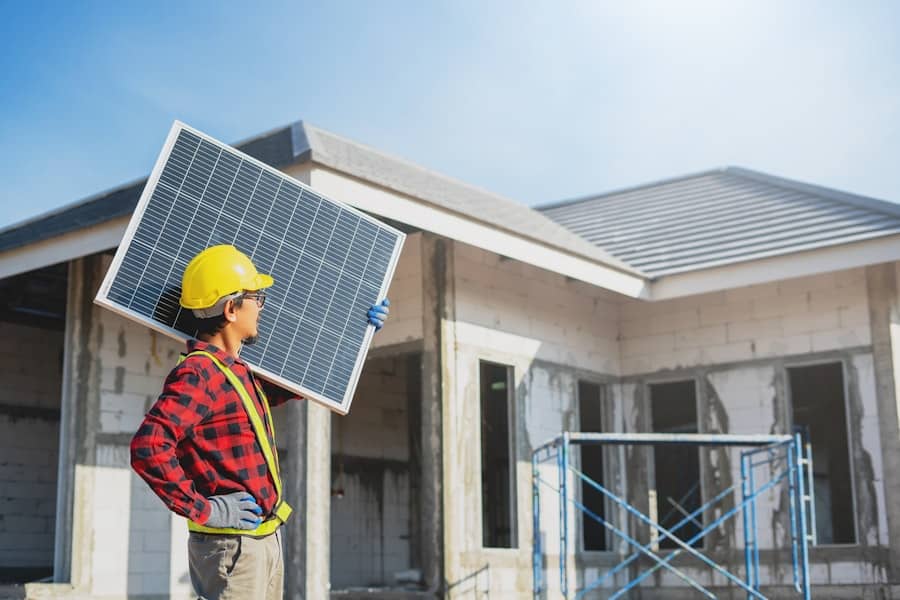
Labor costs are another significant component of solar panel installation expenses. The complexity of the installation process can vary based on your roof type and the specific requirements of your system. On average, labor costs can account for 10% to 20% of the total installation price.
It’s crucial to hire experienced professionals who understand local regulations and best practices to ensure a safe and efficient installation. You should also consider whether you want a full-service installation or if you’re willing to take on some DIY aspects to save money. While some homeowners may feel comfortable handling minor tasks, such as site preparation or permitting paperwork, it’s generally advisable to leave the actual installation to trained professionals.
This not only ensures that your system is installed correctly but also helps you avoid potential issues down the line that could lead to costly repairs or inefficiencies.
Permitting and Inspection Fees
Permitting and inspection fees are often overlooked when budgeting for solar panel installation but can add up quickly. Before installation can begin, you’ll need to obtain the necessary permits from your local government or utility company. These permits ensure that your system complies with local building codes and safety regulations.
Depending on where you live, permitting fees can range from a few hundred to several thousand dollars. Once your system is installed, it will likely need to undergo inspections to verify that everything meets safety standards and operates correctly. These inspections may also incur additional costs.
It’s essential to factor in these fees when calculating your overall budget for solar panel installation. By being aware of these potential expenses upfront, you can avoid surprises later in the process.
Financing Options for Solar Panel Installation
Financing options play a crucial role in making solar panel installation more accessible for homeowners. Many people may not have the upfront capital required for a full cash purchase, which is where financing comes into play. You can explore various options such as solar loans, leases, or power purchase agreements (PPAs).
Solar loans allow you to borrow money specifically for your solar system, which you’ll pay back over time with interest. Leases and PPAs offer alternative pathways where you can install solar panels without a significant upfront investment. With a lease, you pay a fixed monthly fee to use the solar system installed on your property, while a PPA allows you to pay for the electricity generated at a predetermined rate.
Both options can make solar energy more affordable while still providing savings on your utility bills. It’s essential to evaluate these financing options carefully to determine which one aligns best with your financial situation and long-term goals.
Tax Incentives and Rebates for Solar Panel Installation
Tax incentives and rebates can significantly reduce the overall cost of solar panel installation, making it an even more attractive investment. In many regions, federal tax credits allow homeowners to deduct a percentage of their solar installation costs from their federal taxes. As of 2023, this credit stands at 30%, providing substantial savings for those who qualify.
In addition to federal incentives, many states and local governments offer their own rebates or tax credits for solar installations. These programs can vary widely in terms of eligibility requirements and benefits, so it’s essential to research what’s available in your area. By taking advantage of these incentives, you can lower your initial investment and improve your return on investment over time.
Maintenance and Operating Costs of Solar Panels
While solar panels are known for their durability and low maintenance requirements, it’s still important to consider ongoing operating costs. Regular maintenance is essential to ensure optimal performance and longevity of your system. This may include cleaning the panels periodically to remove dirt or debris that could block sunlight and reduce efficiency.
In addition to maintenance costs, you should also factor in potential repairs or replacements over time. While most solar panels come with warranties that last 20-25 years, components like inverters may need replacement sooner due to wear and tear. Understanding these ongoing costs will help you budget effectively for your solar investment and ensure that you maximize its benefits over its lifespan.
Comparing the Cost of Solar Panel Installation to Traditional Energy Sources
When evaluating whether to invest in solar panel installation, it’s crucial to compare the costs associated with traditional energy sources. Utility rates can fluctuate significantly based on market conditions, making it challenging to predict long-term energy expenses. In contrast, once your solar system is installed, your energy costs become more predictable since you’re generating your own electricity.
Moreover, as utility rates continue to rise over time, investing in solar energy can provide substantial savings in the long run. By generating your own power, you can reduce or even eliminate your monthly electricity bills. This comparison highlights not only the financial benefits of going solar but also its potential for energy independence and sustainability.
The Return on Investment for Solar Panel Installation
Calculating the return on investment (ROI) for solar panel installation is essential for understanding its financial viability. The ROI considers factors such as initial costs, savings on utility bills, tax incentives, and potential increases in property value due to energy-efficient upgrades. On average, homeowners can expect an ROI ranging from 10% to 20%, depending on their location and energy consumption patterns.
To maximize your ROI, it’s important to choose an appropriately sized system that meets your energy needs without overspending on unnecessary capacity. Additionally, monitoring your system’s performance over time will help you identify any issues that may affect efficiency or savings. By keeping track of these factors, you can ensure that your investment continues to pay off well into the future.
Tips for Reducing Solar Panel Installation Costs
If you’re looking to reduce the costs associated with solar panel installation, there are several strategies you can employ. First and foremost, obtaining multiple quotes from different installers will give you a better understanding of market rates and help you find competitive pricing. Don’t hesitate to negotiate; many companies are willing to work with you on pricing or offer discounts during promotional periods.
Another effective way to save money is by taking advantage of local incentives or programs designed to promote renewable energy adoption. Researching available grants or rebates in your area can significantly lower your upfront costs. Additionally, consider timing your installation during off-peak seasons when demand may be lower; this could lead to better pricing from installers eager for business.
Finding a Reliable and Affordable Solar Panel Installation Company
Finding a reliable and affordable solar panel installation company is crucial for ensuring a successful project outcome. Start by researching local companies with positive reviews and testimonials from previous customers. Online platforms like Yelp or Google Reviews can provide valuable insights into customer experiences.
Once you’ve narrowed down potential installers, don’t hesitate to ask for references or examples of past work. A reputable company should be transparent about their qualifications and experience in the industry. Additionally, ensure they are licensed and insured; this protects both you and them during the installation process.
By taking these steps, you can find an installer who meets your needs while providing quality service at a fair price. In conclusion, understanding the various factors that affect solar panel installation costs is essential for making informed decisions about this investment in renewable energy. From equipment choices to financing options and ongoing maintenance considerations, each aspect plays a role in determining both short-term expenses and long-term savings.
By carefully evaluating these elements and seeking out reliable professionals in the field, you can embark on a successful journey toward harnessing solar energy for your home.