
A solar generator for home use is a device that harnesses sunlight to produce electricity, providing a sustainable and eco-friendly power source for your household needs. Unlike traditional generators that rely on fossil fuels, solar generators utilize solar panels to capture sunlight, converting it into usable energy. This energy can be stored in batteries for later use, allowing you to power appliances, lights, and other devices without relying on the grid.
As you explore the world of renewable energy, you may find that solar generators offer a practical solution for reducing your carbon footprint while ensuring a reliable power supply. In essence, a solar generator consists of three main components: solar panels, a charge controller, and a battery storage system. The solar panels collect sunlight and convert it into direct current (DC) electricity.
The charge controller regulates the flow of electricity to the batteries, ensuring they are charged efficiently and safely. Finally, the stored energy can be converted into alternating current (AC) electricity through an inverter, making it suitable for powering standard household appliances. This combination of technology allows you to harness the sun’s energy and use it in your home, providing a clean and renewable power source.
Key Takeaways
- A solar generator for home is a device that captures and stores solar energy to provide power for household appliances and electronics.
- Using a solar generator for home can lead to cost savings on electricity bills and reduce reliance on traditional energy sources.
- Solar generators work by capturing sunlight with solar panels, converting it into electricity, and storing it in a battery for later use.
- There are different types of solar generators for home use, including portable, backup, and off-grid systems, each with unique features and capabilities.
- When choosing a solar generator for home, factors to consider include power output, battery capacity, portability, and ease of installation and maintenance.
Benefits of Using a Solar Generator for Home
One of the most significant benefits of using a solar generator for your home is its environmental impact. By relying on solar energy, you reduce your dependence on fossil fuels, which contribute to greenhouse gas emissions and climate change. This shift towards renewable energy not only helps protect the planet but also promotes a more sustainable lifestyle for you and your family.
As you embrace solar power, you can take pride in knowing that you are doing your part to preserve the environment for future generations. Another advantage of solar generators is their cost-effectiveness over time. While the initial investment may seem substantial, the long-term savings on electricity bills can be significant.
By generating your own power, you can reduce or even eliminate your reliance on grid electricity, leading to lower monthly expenses. Additionally, many governments offer incentives and tax credits for homeowners who invest in solar technology, further offsetting the initial costs. As you consider the financial implications, it’s essential to weigh the upfront investment against the potential savings and environmental benefits.
How Does a Solar Generator Work?
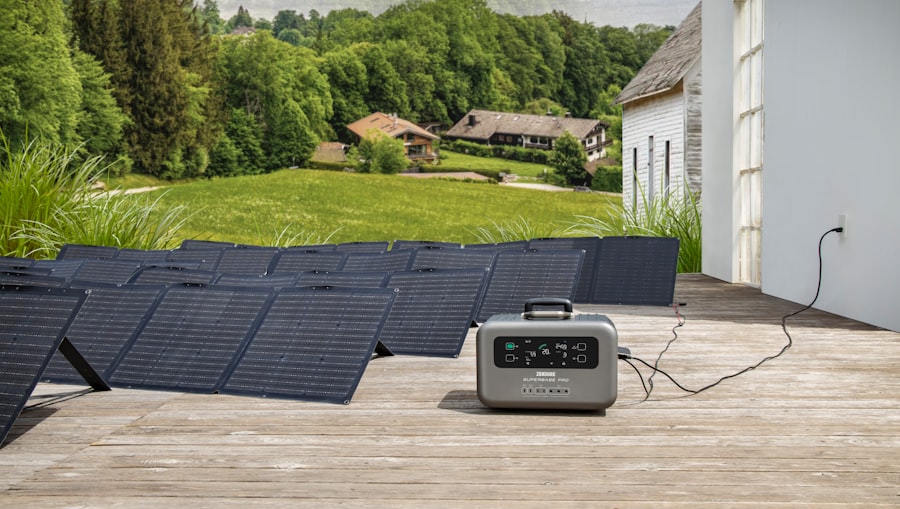
Understanding how a solar generator works can help you appreciate its efficiency and effectiveness in providing power for your home. The process begins with solar panels that capture sunlight and convert it into direct current (DC) electricity through photovoltaic cells. These cells are made from semiconductor materials that generate an electric current when exposed to sunlight.
As you position your solar panels in an optimal location, such as on your roof or in your yard, they can absorb maximum sunlight throughout the day. Once the solar panels generate electricity, the charge controller plays a crucial role in managing the flow of energy to the battery storage system. This component ensures that the batteries are charged safely and efficiently, preventing overcharging or damage.
The stored energy can then be accessed when needed, allowing you to power your home even during cloudy days or at night. When you’re ready to use the stored energy, an inverter converts the DC electricity from the batteries into alternating current (AC) electricity, which is compatible with most household appliances. This seamless process enables you to enjoy the benefits of solar power without any interruptions.
Types of Solar Generators for Home Use
When considering a solar generator for your home, you’ll find various types designed to meet different needs and preferences. Portable solar generators are compact and lightweight, making them ideal for camping trips or emergency backup power. These generators typically come with built-in batteries and can be easily transported wherever you go.
If you’re looking for a versatile option that can power small devices like phones and laptops, a portable solar generator may be the perfect fit for your lifestyle. On the other hand, larger stationary solar generators are designed for home use and can provide more substantial power output. These systems often consist of multiple solar panels and larger battery banks, allowing you to run larger appliances such as refrigerators or air conditioning units.
When selecting a stationary solar generator, consider your household’s energy consumption needs and how much power you’ll require during peak usage times. By understanding the different types available, you can make an informed decision that aligns with your energy goals.
Factors to Consider When Choosing a Solar Generator for Home
As you embark on the journey of selecting a solar generator for your home, several factors warrant careful consideration. First and foremost is your energy consumption needs. Assessing how much electricity your household uses on average will help you determine the appropriate size and capacity of the solar generator required to meet those demands.
You may want to create a list of essential appliances and their wattage requirements to ensure that your chosen system can handle them effectively. Another critical factor is the available space for installation. Depending on whether you opt for portable or stationary systems, you’ll need to evaluate where you plan to place the solar panels and batteries.
If you’re considering roof-mounted panels, ensure that your roof is structurally sound and has adequate exposure to sunlight throughout the day. Additionally, think about local regulations or homeowners’ association guidelines that may affect installation options. By taking these factors into account, you’ll be better equipped to choose a solar generator that fits seamlessly into your home.
Installation and Maintenance of a Solar Generator for Home
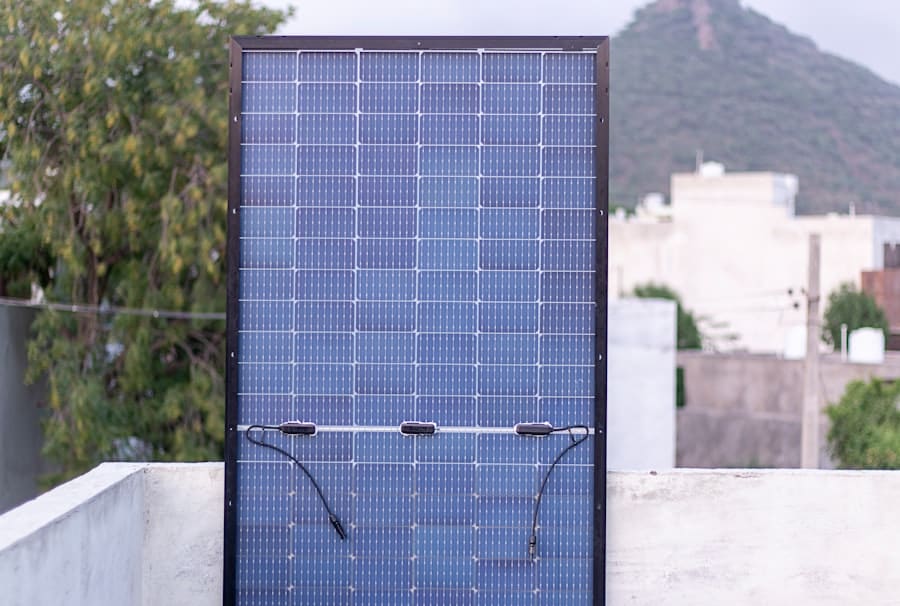
Installing a solar generator for your home can be a straightforward process if you follow the right steps. For portable systems, setup typically involves placing the solar panels in direct sunlight and connecting them to the battery unit. Many portable generators come with user-friendly instructions that guide you through this process.
However, if you’re opting for a larger stationary system with roof-mounted panels, it may be wise to enlist professional help to ensure proper installation and compliance with local regulations. Once installed, maintaining your solar generator is essential for optimal performance. Regularly cleaning the solar panels will help maximize their efficiency by removing dirt or debris that may obstruct sunlight absorption.
Additionally, monitoring battery health is crucial; check for any signs of wear or damage and replace batteries as needed to ensure reliable energy storage. By committing to routine maintenance tasks, you’ll extend the lifespan of your solar generator and continue reaping its benefits for years to come.
Cost of a Solar Generator for Home
The cost of a solar generator for home use can vary significantly based on several factors, including system size, brand, and features. Portable solar generators typically range from a few hundred to several thousand dollars, depending on their capacity and included accessories. In contrast, larger stationary systems can cost anywhere from $5,000 to $30,000 or more when factoring in installation costs and additional components like inverters and batteries.
While the initial investment may seem daunting, it’s essential to consider long-term savings on electricity bills and potential government incentives that can help offset costs. Many homeowners find that their investment pays off within a few years as they reduce their reliance on grid electricity. Additionally, as technology advances and production costs decrease, prices for solar generators are expected to become more accessible over time.
When comparing solar generators to traditional generators powered by fossil fuels, several key differences emerge that may influence your decision-making process. One of the most notable distinctions is environmental impact; solar generators produce clean energy without emitting harmful pollutants or greenhouse gases. In contrast, traditional generators contribute to air pollution and climate change due to their reliance on fossil fuels.
Another significant difference lies in operational costs. While traditional generators require ongoing fuel purchases and maintenance expenses related to engine upkeep, solar generators operate primarily on free sunlight once installed. This means that after the initial investment in equipment and installation, your ongoing costs will be minimal compared to traditional options.
As you weigh these factors against each other, consider how important sustainability and long-term savings are in your decision-making process.
Common Misconceptions about Solar Generators for Home
Despite their growing popularity, several misconceptions about solar generators persist that may deter potential users from embracing this technology. One common myth is that solar generators are only effective in sunny climates; however, modern advancements have made it possible for these systems to generate power even on cloudy days or during winter months when sunlight is less intense. While performance may vary based on weather conditions, many systems are designed with this variability in mind.
Another misconception is that solar generators are too expensive for average homeowners to afford. While it’s true that initial costs can be high, many financing options exist that make solar technology more accessible than ever before. Additionally, as mentioned earlier, government incentives can significantly reduce upfront expenses while providing long-term savings on energy bills.
By dispelling these myths and educating yourself about solar technology’s capabilities and benefits, you’ll be better equipped to make informed decisions regarding renewable energy solutions.
Tips for Maximizing the Efficiency of a Solar Generator for Home
To get the most out of your solar generator for home use, consider implementing several strategies aimed at maximizing efficiency. First and foremost is proper placement of your solar panels; positioning them in areas with maximum sun exposure will enhance their ability to capture sunlight throughout the day. Regularly cleaning panels will also help maintain optimal performance by preventing dirt buildup that could obstruct sunlight absorption.
Additionally, monitoring your energy consumption habits can lead to more efficient usage of stored power from your generator. By being mindful of peak usage times and prioritizing essential appliances during those periods, you can extend battery life while ensuring that critical devices remain powered when needed most. Implementing these tips will not only enhance efficiency but also contribute to overall satisfaction with your solar generator investment.
The Future of Solar Generators for Home Use
As technology continues to advance at an unprecedented pace, the future of solar generators for home use looks promising indeed. Innovations in battery storage technology are paving the way for more efficient systems capable of storing larger amounts of energy while reducing costs over time. This means that homeowners will have access to increasingly powerful solutions that can meet their energy needs without compromising sustainability.
Moreover, as awareness about climate change grows and more individuals seek eco-friendly alternatives to traditional energy sources, demand for solar generators is expected to rise significantly in coming years. With ongoing research focused on improving efficiency and affordability within this sector, it’s likely that you’ll see even more options available tailored specifically toward residential use—making it easier than ever before to embrace renewable energy solutions in your home. In conclusion, investing in a solar generator for home use presents numerous benefits ranging from environmental sustainability to long-term cost savings.
By understanding how these systems work and considering factors such as installation requirements and maintenance needs, you can make informed decisions about integrating renewable energy into your lifestyle while contributing positively toward our planet’s future.