
As you delve into the world of renewable energy, solar energy stands out as a beacon of hope, particularly in extreme climates. The sun, an abundant and inexhaustible source of energy, has the potential to power homes, businesses, and entire communities, even in the harshest environments. From the blistering heat of deserts to the frigid temperatures of polar regions, solar energy systems are being deployed to harness this natural resource.
The growing interest in solar energy is not merely a trend; it represents a significant shift towards sustainable energy solutions that can mitigate climate change and reduce reliance on fossil fuels. In extreme climates, the challenges are unique and multifaceted. However, the potential benefits of solar energy in these regions are equally compelling.
By tapping into solar power, you can contribute to energy independence and sustainability while addressing the specific needs of communities facing extreme weather conditions. As you explore this topic further, you will discover how innovative technologies and strategic planning are paving the way for successful solar energy projects in some of the most challenging environments on Earth.
Key Takeaways
- Solar energy is a promising solution for extreme climates, but it comes with its own set of challenges.
- Extreme climates can impact the performance of solar panels, leading to reduced efficiency and output.
- Innovative solutions such as advanced cooling systems and durable materials are being developed to address the challenges of solar energy in extreme climates.
- Adapting solar panel design to withstand temperature extremes is crucial for maximizing energy output in harsh environments.
- Energy storage plays a crucial role in ensuring a reliable and consistent power supply in extreme climate solar solutions.
Understanding the Challenges of Solar Energy in Extreme Climates
When considering solar energy in extreme climates, it is essential to recognize the various challenges that arise. One of the most significant hurdles is the variability of weather conditions. In regions where temperatures soar or plummet, solar panels must be designed to withstand these extremes without compromising efficiency.
For instance, in desert areas, dust accumulation can obstruct sunlight, while in polar regions, snow and ice can cover panels, rendering them ineffective. Understanding these challenges is crucial for developing effective solar solutions that can thrive in such environments. Moreover, the infrastructure required to support solar energy systems in extreme climates often faces additional obstacles.
You may find that remote locations lack the necessary grid connections or maintenance resources, making it difficult to implement traditional solar solutions. This necessitates innovative approaches to ensure that solar energy systems are not only functional but also sustainable over the long term. By addressing these challenges head-on, you can help pave the way for a more resilient and adaptable solar energy landscape.
The Impact of Extreme Climates on Solar Panel Performance
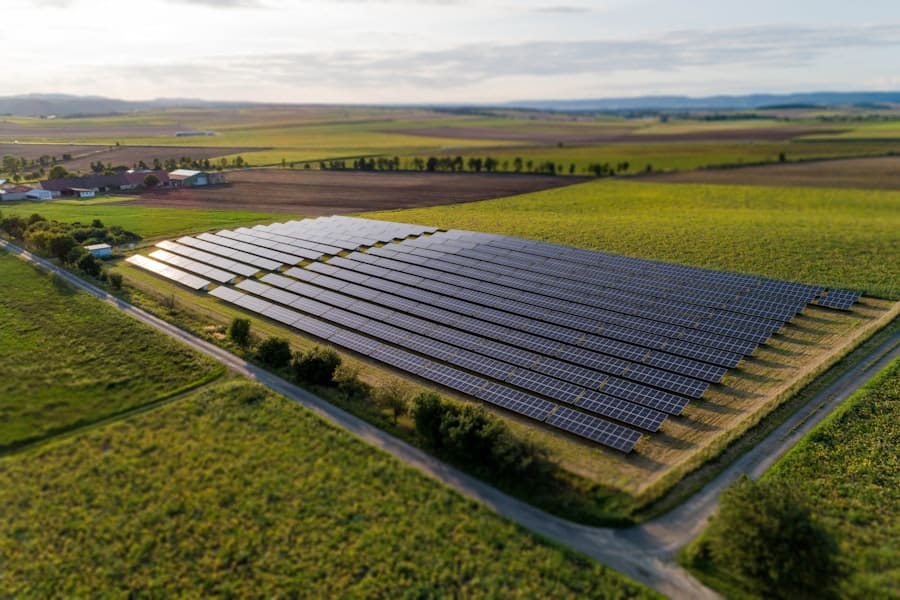
Extreme climates can significantly affect the performance of solar panels. In high-temperature environments, for example, solar panels can experience a decrease in efficiency due to overheating. This phenomenon occurs because most photovoltaic cells operate optimally at lower temperatures.
Conversely, in extremely cold climates, while panels may perform better due to lower temperatures, issues such as snow accumulation can hinder their ability to generate electricity. Understanding these dynamics is essential for optimizing solar panel performance across various climates. Additionally, factors such as humidity and wind speed can also play a role in how effectively solar panels operate.
High humidity levels can lead to corrosion and degradation of materials over time, while strong winds can pose physical threats to panel integrity. As you consider these impacts, it becomes clear that selecting the right materials and technologies is vital for ensuring that solar panels can withstand the rigors of extreme climates while maintaining optimal performance.
Innovative Solutions for Solar Energy in Extreme Climates
To overcome the challenges posed by extreme climates, innovative solutions are emerging that enhance the viability of solar energy systems. One such solution is the development of advanced materials that can withstand harsh conditions while maximizing energy output. For instance, researchers are exploring the use of bifacial solar panels that capture sunlight from both sides, increasing efficiency even in less-than-ideal conditions.
These panels can be particularly effective in snowy environments where reflected light can boost energy generation. Another promising innovation is the integration of tracking systems that adjust the angle of solar panels throughout the day to capture maximum sunlight. In extreme climates where sunlight may be limited or inconsistent, these tracking systems can significantly enhance energy production.
By investing in such technologies, you can help ensure that solar energy systems remain effective and reliable, regardless of environmental challenges.
Overcoming Temperature Extremes in Solar Panel Design
Designing solar panels that can withstand temperature extremes is crucial for their success in harsh climates. Engineers are now focusing on creating panels with improved thermal management systems that dissipate heat more effectively. This includes using materials with higher thermal conductivity and incorporating cooling technologies that help maintain optimal operating temperatures.
By prioritizing thermal performance in design, you can contribute to enhancing the longevity and efficiency of solar panels. Moreover, modular designs are gaining traction as a way to address temperature extremes. These designs allow for easy replacement or upgrading of individual components without needing to replace entire systems.
This flexibility is particularly beneficial in extreme climates where conditions may change rapidly or where maintenance access is limited. By embracing modularity in solar panel design, you can help ensure that systems remain adaptable and resilient over time.
Adapting Solar Energy Systems to Harsh Weather Conditions

Designing for Snowy Conditions
In areas prone to heavy snowfall, installing panels at a steeper angle can help prevent snow accumulation and ensure optimal sunlight exposure. Additionally, using anti-reflective coatings on panels can enhance their performance by reducing glare and improving light absorption.
Building Durability into System Design
Incorporating weather-resistant materials into system design is essential for ensuring durability and longevity. You may find that using corrosion-resistant metals and UV-stabilized plastics can significantly extend the lifespan of solar components in extreme climates.
Creating Resilient Solutions
By prioritizing adaptability and resilience in your approach to solar energy systems, you can help create solutions that thrive even under the most challenging weather conditions.
The Role of Energy Storage in Extreme Climate Solar Solutions
Energy storage plays a pivotal role in maximizing the effectiveness of solar energy systems in extreme climates. Given the intermittent nature of sunlight due to weather fluctuations or seasonal changes, having a reliable storage solution allows you to harness excess energy generated during peak sunlight hours for use during periods of low production. This capability is particularly crucial in remote areas where grid connectivity may be limited or unreliable.
Advancements in battery technology are making it increasingly feasible to implement effective energy storage solutions tailored for extreme climates. For example, lithium-ion batteries are becoming more popular due to their high energy density and efficiency. However, researchers are also exploring alternative storage methods such as flow batteries and thermal storage systems that may offer advantages in specific environments.
By integrating robust energy storage solutions into your solar projects, you can enhance reliability and ensure a consistent power supply regardless of external conditions.
Maximizing Solar Energy Output in Extreme Climates
To maximize solar energy output in extreme climates, it is essential to employ a combination of strategies tailored to local conditions. One effective approach is conducting thorough site assessments before installation to identify optimal locations for panel placement based on factors such as shading, orientation, and tilt angle. By carefully analyzing these variables, you can ensure that your solar system captures as much sunlight as possible throughout the year.
Additionally, regular maintenance is crucial for maintaining peak performance levels. In extreme climates where dust accumulation or snow cover may be prevalent, implementing routine cleaning schedules can significantly enhance energy output. You might also consider using automated cleaning systems that utilize water or air pressure to keep panels clear without requiring manual intervention.
By prioritizing both site selection and maintenance practices, you can maximize the efficiency and effectiveness of your solar energy systems.
Case Studies: Successful Solar Energy Projects in Extreme Climates
Examining successful case studies of solar energy projects in extreme climates provides valuable insights into best practices and innovative solutions. For instance, one notable project is located in the Atacama Desert in Chile, where solar farms have been established despite some of the highest temperatures on Earth. These projects utilize advanced cooling technologies and bifacial panels to optimize performance under intense sunlight conditions.
Another compelling example comes from Alaska, where remote communities have successfully integrated solar energy into their power grids despite harsh winter conditions. By combining solar with wind and battery storage systems, these communities have created resilient microgrids capable of providing reliable electricity year-round. Analyzing these case studies allows you to glean lessons learned and apply them to future projects aimed at harnessing solar energy in extreme climates.
Government Policies and Incentives for Solar Energy in Extreme Climates
Government policies play a crucial role in promoting the adoption of solar energy in extreme climates. Many countries have implemented incentives such as tax credits, grants, and feed-in tariffs designed to encourage investment in renewable energy projects. These policies not only help offset initial installation costs but also create a favorable environment for innovation and research into new technologies tailored for challenging conditions.
In addition to financial incentives, governments often provide regulatory support aimed at streamlining permitting processes for renewable energy projects. This support is particularly important in remote areas where navigating bureaucratic hurdles can be daunting. By advocating for supportive policies and engaging with local governments, you can help foster an environment conducive to the growth of solar energy initiatives in extreme climates.
The Future of Solar Energy in Extreme Climates: Opportunities and Advancements
Looking ahead, the future of solar energy in extreme climates appears promising as advancements continue to emerge across various sectors. With ongoing research into new materials and technologies designed specifically for harsh environments, you can expect significant improvements in efficiency and durability over time. Innovations such as perovskite solar cells hold great potential for revolutionizing how we harness sunlight even under challenging conditions.
Moreover, as global awareness of climate change grows, there will likely be increased investment in renewable energy solutions worldwide. This shift presents an opportunity for you to engage with communities affected by extreme climates and advocate for sustainable practices that prioritize resilience and adaptability. By embracing these opportunities and staying informed about advancements within the industry, you can play an integral role in shaping a sustainable future powered by solar energy across diverse environments.
In conclusion, while challenges exist when implementing solar energy solutions in extreme climates, innovative technologies and strategic planning are paving the way for success. By understanding these challenges and leveraging advancements within the field, you can contribute to a more sustainable future powered by renewable energy sources like solar power.
Solar energy time management is crucial for maximizing the benefits of renewable energy sources, especially in extreme climates. One related article that delves into the environmental benefits of effective solar energy time management can be found here. This article highlights how proper time management can lead to a more sustainable and greener future. Additionally, another article on the power of solar time management for a greener tomorrow can be accessed here. These resources emphasize the importance of efficiency in harnessing solar energy and offer solutions for mastering solar energy time management.
FAQs
What are extreme climates?
Extreme climates refer to regions with harsh environmental conditions such as extreme temperatures, high winds, heavy snowfall, and low sunlight.
What are the challenges of using solar energy in extreme climates?
The challenges of using solar energy in extreme climates include reduced efficiency of solar panels due to extreme temperatures, snow and ice accumulation on panels, and potential damage from high winds and storms.
How can these challenges be addressed?
These challenges can be addressed through the use of specialized solar panels designed to withstand extreme temperatures and harsh weather conditions, regular maintenance to remove snow and ice accumulation, and the use of tracking systems to optimize sunlight exposure.
Are there any successful examples of using solar energy in extreme climates?
Yes, there are successful examples of using solar energy in extreme climates, such as in the Arctic regions where solar panels have been used to provide electricity in remote communities and research stations. Additionally, solar energy has been successfully utilized in desert regions with extreme heat and sunlight.
What are the benefits of using solar energy in extreme climates?
The benefits of using solar energy in extreme climates include the potential for off-grid electricity generation in remote areas, reduced reliance on fossil fuels, and the ability to provide sustainable energy solutions in challenging environments.