
Solar energy is a powerful and renewable resource that harnesses the sun’s rays to generate electricity or heat. As you delve into the world of solar energy, you will discover that it is not just a modern trend but a fundamental shift in how we think about energy consumption. The sun emits an enormous amount of energy every day, enough to meet the global energy needs many times over.
By capturing this energy through various technologies, you can significantly reduce your reliance on fossil fuels and contribute to a more sustainable future. At its core, solar energy is derived from the nuclear fusion processes occurring in the sun, where hydrogen atoms combine to form helium, releasing vast amounts of energy in the form of light and heat. This energy can be converted into usable electricity through photovoltaic (PV) cells or used directly for heating through solar thermal systems.
Understanding these basic principles will help you appreciate the potential of solar energy and its role in combating climate change and promoting energy independence.
Key Takeaways
- Solar energy is harnessed from the sun’s rays and converted into electricity using solar panels.
- Solar energy offers benefits such as cost savings, environmental impact, and energy independence.
- Components of a solar energy system include solar panels, inverters, racking, and monitoring systems.
- Types of solar panels include monocrystalline, polycrystalline, and thin-film, each with their own advantages and disadvantages.
- When choosing the right solar panel for your home, consider factors such as efficiency, cost, and available space for installation.
Benefits of Solar Energy
One of the most compelling reasons to consider solar energy is its environmental impact. By utilizing solar power, you can significantly reduce your carbon footprint, as it produces little to no greenhouse gas emissions during operation. This transition to cleaner energy sources is crucial in mitigating climate change and preserving the planet for future generations.
Additionally, solar energy helps decrease air pollution, which can lead to improved public health and a reduction in healthcare costs associated with pollution-related illnesses. Beyond environmental benefits, solar energy also offers substantial economic advantages. By investing in solar panels for your home or business, you can lower your electricity bills significantly.
Many homeowners report savings of 50% or more on their monthly utility costs after installing solar systems. Furthermore, with the increasing affordability of solar technology and various financing options available, you can make this investment without breaking the bank. In many regions, government incentives and tax credits further enhance the financial appeal of going solar, making it an attractive option for many.
Components of a Solar Energy System
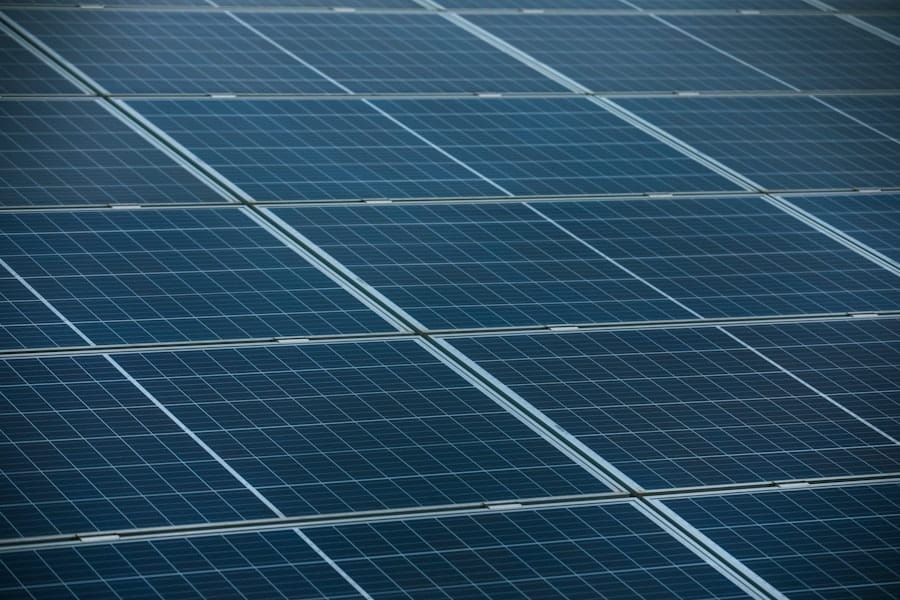
A solar energy system consists of several key components that work together to convert sunlight into usable electricity. The most recognizable part is the solar panels themselves, which are made up of numerous photovoltaic cells that capture sunlight and convert it into direct current (DC) electricity. This electricity is then sent to an inverter, which transforms it into alternating current (AC) electricity, the type used in most homes and businesses.
In addition to solar panels and inverters, a complete solar energy system may include mounting hardware, batteries for energy storage, and a monitoring system to track performance. The mounting hardware secures the panels to your roof or ground structure, ensuring they are positioned optimally to capture sunlight. Batteries allow you to store excess energy generated during sunny days for use during cloudy days or at night, providing greater energy independence.
A monitoring system helps you keep track of your system’s performance, allowing you to identify any issues quickly and ensure optimal efficiency.
Types of Solar Panels
When considering solar panels for your home or business, you’ll encounter several types, each with its unique characteristics and advantages. The three primary types of solar panels are monocrystalline, polycrystalline, and thin-film panels. Monocrystalline panels are made from a single crystal structure and are known for their high efficiency and sleek appearance.
They tend to occupy less space while producing more power compared to other types, making them an excellent choice for those with limited roof space. Polycrystalline panels are made from multiple crystal structures and are generally less expensive than monocrystalline options. While they may have slightly lower efficiency rates, they still provide a reliable source of energy for many homeowners.
Thin-film panels are lightweight and flexible, making them suitable for various applications, including building-integrated photovoltaics. However, they typically have lower efficiency rates compared to crystalline panels and may require more space to generate the same amount of power.
Choosing the Right Solar Panel for Your Home
Selecting the right solar panel for your home involves considering several factors, including efficiency, cost, available space, and aesthetic preferences. Efficiency is crucial because it determines how much sunlight can be converted into usable electricity. If you have limited roof space, opting for high-efficiency monocrystalline panels may be your best bet.
However, if you have ample space and are looking for a more budget-friendly option, polycrystalline panels could be a suitable choice. Cost is another significant factor in your decision-making process. While high-efficiency panels may come with a higher upfront cost, they can lead to greater long-term savings on your electricity bills.
It’s essential to evaluate your budget and consider financing options that may be available to you. Additionally, think about how the panels will look on your home; some homeowners prefer the sleek appearance of monocrystalline panels over the speckled look of polycrystalline ones. Ultimately, choosing the right solar panel involves balancing efficiency, cost, and aesthetics to find the best fit for your needs.
Installation Process of Solar Panels
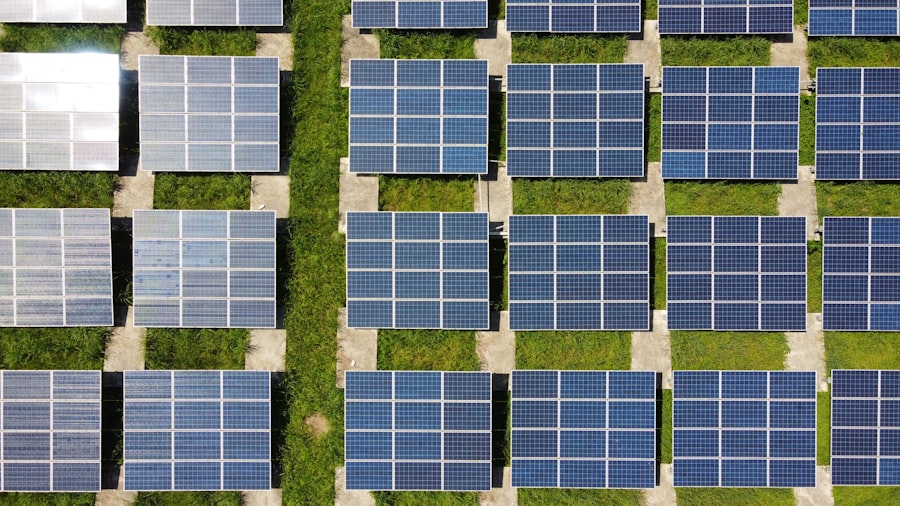
Assessment and Proposal
During this initial visit, they will evaluate your roof’s orientation, shading issues, and structural integrity to determine the best placement for the panels. After this assessment, you will receive a detailed proposal outlining the system design, estimated costs, and potential savings.
Installation Process
Once you decide to move forward with the installation, the actual process usually takes one to three days, depending on the size of your system. The installation team will begin by mounting the solar panels on your roof or ground structure using specialized hardware. After securing the panels in place, they will connect them to the inverter and any necessary electrical components.
Final Testing and Activation
Finally, they will conduct thorough testing to ensure everything is functioning correctly before officially turning on your new solar energy system.
Maintenance and Upkeep of Solar Panels
Maintaining your solar panels is essential for ensuring their longevity and optimal performance. Fortunately, solar systems require relatively low maintenance compared to other home appliances. Regularly cleaning your panels is crucial since dirt, dust, leaves, or snow can obstruct sunlight and reduce efficiency.
Depending on your location and environmental conditions, you may need to clean your panels a few times a year or hire a professional cleaning service. In addition to cleaning, it’s essential to monitor your system’s performance regularly. Many modern solar systems come equipped with monitoring software that allows you to track energy production in real-time.
If you notice a significant drop in output or any unusual behavior from your system, it’s wise to contact your installer for an inspection. Regular maintenance checks can help identify potential issues early on and ensure that your investment continues to perform at its best.
Financing and Incentives for Solar Energy
Financing options play a crucial role in making solar energy accessible to homeowners and businesses alike. Various programs are available that can help offset the initial costs associated with purchasing and installing solar panels. One popular option is a solar loan, which allows you to finance your system over time while reaping the benefits of reduced electricity bills immediately.
In addition to loans, many governments offer incentives such as tax credits or rebates for those who invest in solar energy systems. For instance, in the United States, the federal solar tax credit allows you to deduct a significant percentage of your installation costs from your federal taxes. Many states also have their own incentive programs that can further reduce costs.
Researching available financing options and incentives in your area can help you make an informed decision about transitioning to solar energy.
Solar Energy for Off-Grid Living
For those seeking independence from traditional utility services or living in remote areas without access to electricity grids, solar energy presents an ideal solution for off-grid living. By harnessing solar power, you can generate your own electricity and enjoy modern conveniences without relying on fossil fuels or grid connections. This self-sufficiency not only provides peace of mind but also contributes positively to environmental sustainability.
When setting up an off-grid solar system, you’ll need to consider additional components such as battery storage systems that allow you to store excess energy generated during sunny days for use during cloudy periods or at night. Sizing your system correctly is crucial; you’ll want to ensure that it can meet your daily energy needs while accounting for seasonal variations in sunlight availability. With careful planning and investment in quality equipment, off-grid living powered by solar energy can be both practical and rewarding.
Solar Energy for Businesses
Businesses are increasingly turning to solar energy as a way to reduce operational costs while enhancing their sustainability efforts. By installing solar panels on commercial properties, companies can significantly lower their electricity expenses and protect themselves against rising utility rates over time. This financial benefit can be particularly appealing for businesses with high energy demands or those operating in regions with abundant sunlight.
Moreover, adopting solar energy can improve a company’s public image by demonstrating a commitment to environmental responsibility. Many consumers today prefer businesses that prioritize sustainability and eco-friendly practices. By going solar, you not only save money but also position your business as a leader in corporate social responsibility—an essential factor in attracting environmentally conscious customers.
Future of Solar Energy
The future of solar energy looks promising as technology continues to advance and public awareness grows regarding its benefits. Innovations in photovoltaic materials are leading to higher efficiency rates and lower production costs for solar panels. Additionally, developments in battery storage technology are making it easier than ever for homeowners and businesses to store excess energy generated during peak sunlight hours for later use.
As governments worldwide implement policies aimed at reducing carbon emissions and promoting renewable energy sources, the demand for solar power is expected to rise significantly in the coming years. With increasing investments in research and development within the renewable sector, you can anticipate even more efficient systems becoming available on the market soon. Embracing solar energy not only benefits you today but also contributes positively toward building a sustainable future for generations to come.
If you are interested in learning more about how artificial intelligence and the Internet of Things can enhance real-time monitoring and management of solar energy systems, check out this article on How Can the Integration of Artificial Intelligence and the Internet of Things (IoT) Enhance Real-Time Monitoring and Management of Solar Energy Systems. This article delves into the cutting-edge technologies that are revolutionizing the way we harness and utilize solar power.
FAQs
What is solar energy?
Solar energy is energy from the sun that is converted into thermal or electrical energy. It is a renewable and sustainable source of energy that can be used to power homes, businesses, and other applications.
How does solar energy work?
Solar energy is captured using solar panels, which are made up of photovoltaic cells that convert sunlight into electricity. When sunlight hits the solar panels, the photovoltaic cells create an electric current, which can then be used to power electrical devices.
What are the benefits of solar energy?
Some of the benefits of solar energy include reducing electricity bills, reducing carbon emissions, and increasing energy independence. Solar energy is also a renewable and sustainable source of energy, which means it will never run out.
What are the different types of solar energy systems?
There are two main types of solar energy systems: solar photovoltaic (PV) systems, which convert sunlight into electricity, and solar thermal systems, which use sunlight to heat water or air for use in homes or businesses.
What are the factors to consider before installing a solar energy system?
Before installing a solar energy system, it is important to consider factors such as the amount of sunlight your location receives, the size and orientation of your roof or property, and any local regulations or incentives for solar energy.
What is the cost of installing a solar energy system?
The cost of installing a solar energy system can vary depending on factors such as the size of the system, the type of system, and any local incentives or rebates. However, the cost of solar panels and installation has decreased significantly in recent years, making solar energy more affordable for many homeowners and businesses.