
As you delve into the world of renewable energy, hydropower stands out as one of the oldest and most established forms of energy generation. Harnessing the power of flowing water, this method has been utilized for centuries, dating back to ancient civilizations that used water wheels for milling grain. Today, hydropower accounts for a significant portion of the world’s electricity supply, making it a cornerstone in the transition towards sustainable energy sources.
By converting the kinetic energy of water into mechanical energy, which is then transformed into electricity, hydropower plays a crucial role in meeting global energy demands. In your exploration of hydropower, you will discover that it is not merely a source of energy but also a complex interplay of technology, environment, and society. The infrastructure required for hydropower generation, such as dams and reservoirs, can have far-reaching implications.
As you navigate through the various aspects of hydropower, you will gain insights into its advantages and disadvantages, its environmental impact, and its economic and social implications. Understanding these facets will equip you with a comprehensive view of hydropower’s role in the modern energy landscape.
Key Takeaways
- Hydropower is a renewable energy source that harnesses the power of flowing water to generate electricity.
- The pros of hydropower include its renewable nature, low operating costs, and ability to provide reliable and consistent energy.
- However, the cons of hydropower include its impact on local ecosystems, displacement of communities, and potential for methane emissions from reservoirs.
- The environmental impact of hydropower can include changes to water quality, disruption of fish habitats, and alteration of river flow patterns.
- Hydropower brings economic benefits such as job creation, energy security, and potential for revenue generation in local communities.
The Pros of Hydropower
One of the most compelling advantages of hydropower is its ability to generate electricity without emitting greenhouse gases during operation. This characteristic positions hydropower as a cleaner alternative to fossil fuels, which are notorious for their contribution to climate change. As you consider the urgency of addressing global warming, the role of hydropower in reducing carbon footprints becomes increasingly significant.
By investing in hydropower infrastructure, countries can work towards achieving their climate goals while ensuring a stable energy supply. Moreover, hydropower is known for its reliability and efficiency. Unlike solar or wind energy, which can be intermittent due to weather conditions, hydropower can provide a consistent and controllable source of electricity.
This reliability is particularly important for meeting peak energy demands. You may find it interesting that many hydropower plants can quickly adjust their output to match fluctuations in electricity demand, making them an essential component of a balanced energy grid. This flexibility not only enhances energy security but also supports the integration of other renewable sources into the energy mix.
The Cons of Hydropower

Despite its many benefits, hydropower is not without its drawbacks. One significant concern is the environmental impact associated with the construction and operation of dams. When you think about large-scale hydropower projects, it’s essential to consider how they can disrupt local ecosystems and displace communities.
The flooding of land to create reservoirs can lead to the loss of habitats for various species and alter the natural flow of rivers, affecting aquatic life. As you reflect on these consequences, it becomes clear that while hydropower may be a renewable resource, its implementation can come at a considerable ecological cost. Additionally, the reliance on water availability poses another challenge for hydropower generation.
In regions experiencing drought or changes in precipitation patterns due to climate change, the efficiency and output of hydropower plants can be severely affected. You might find it concerning that this vulnerability could lead to energy shortages in areas that depend heavily on hydropower. As you weigh the pros and cons, it’s crucial to recognize that while hydropower offers a sustainable energy solution, it also requires careful management and consideration of local environmental conditions.
Environmental Impact of Hydropower
The environmental impact of hydropower is a multifaceted issue that warrants careful examination. On one hand, you have the potential for reduced greenhouse gas emissions compared to fossil fuel-based energy sources. However, on the other hand, the construction of dams and reservoirs can lead to significant ecological disruption.
When you consider the flooding of vast areas for reservoir creation, it becomes evident that entire ecosystems can be altered or destroyed. This loss of biodiversity is a critical concern for environmentalists and local communities alike. Furthermore, the alteration of river systems can have cascading effects on water quality and sediment transport.
As you explore these impacts, you may find it alarming that changes in water flow can lead to increased erosion downstream and affect fish migration patterns. Species that rely on specific river conditions for spawning may struggle to survive in altered environments. The challenge lies in finding a balance between harnessing hydropower’s benefits while minimizing its detrimental effects on ecosystems and local communities.
Economic Benefits of Hydropower
When considering the economic benefits of hydropower, you will find that it offers a range of advantages that extend beyond just electricity generation. The initial investment in building hydropower infrastructure can be substantial; however, once operational, these facilities often have low operating costs and long lifespans. This longevity means that over time, hydropower can provide a stable and affordable source of electricity for consumers and businesses alike.
As you analyze energy costs in various regions, you may notice that countries with significant hydropower resources often enjoy lower electricity prices. Moreover, the development of hydropower projects can stimulate local economies by creating jobs during construction and operation phases. You might appreciate how these projects can lead to improved infrastructure in surrounding areas, including roads and transportation networks.
Additionally, the presence of a reliable energy source can attract industries and businesses looking to invest in regions with stable power supplies. This economic growth can have positive ripple effects throughout communities, enhancing overall quality of life.
Social Impacts of Hydropower
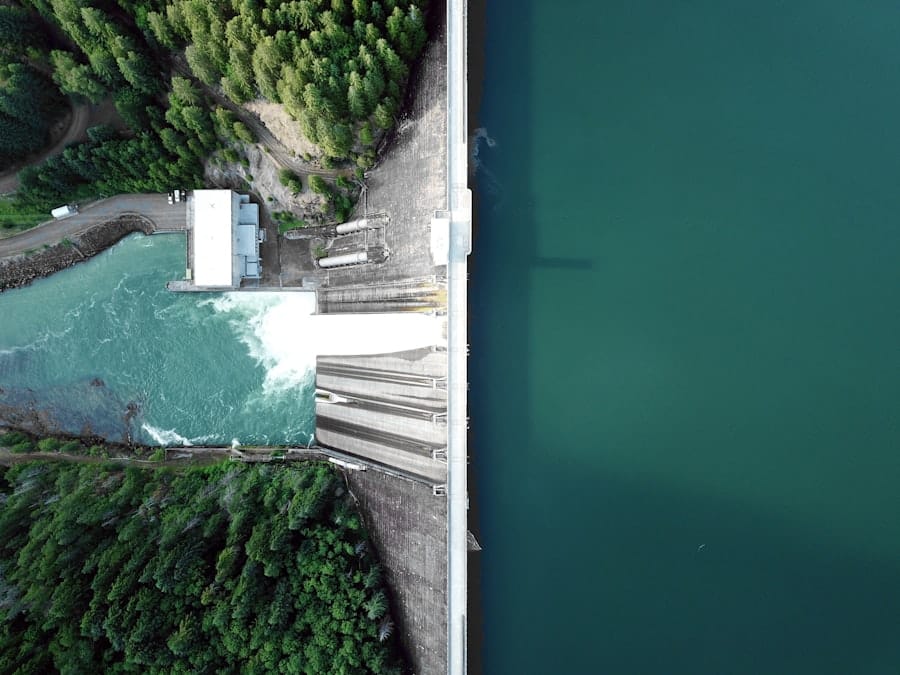
The social implications of hydropower projects are complex and often contentious. On one hand, these projects can provide essential benefits such as improved access to electricity for remote communities. You may find it inspiring that many rural areas have gained access to reliable power through hydropower initiatives, leading to enhanced educational opportunities and improved healthcare services.
The availability of electricity can empower communities by enabling small businesses to thrive and fostering economic development. However, as you delve deeper into the social impacts, it becomes clear that not all communities benefit equally from hydropower projects. The displacement of local populations due to dam construction raises ethical concerns about land rights and social justice.
You might feel compelled to consider how these projects can disproportionately affect marginalized groups who may lack the resources or political power to advocate for their rights. Balancing the benefits of increased electricity access with the need for equitable treatment of affected communities is a critical challenge that must be addressed.
Technological Advancements in Hydropower
As you explore the future of hydropower, it’s essential to recognize the role that technological advancements play in enhancing its efficiency and sustainability. Innovations such as small modular hydro systems and hydrokinetic turbines are emerging as promising alternatives to traditional large-scale dams. These technologies allow for energy generation with minimal environmental disruption while providing opportunities for localized power generation.
You may find it fascinating how these advancements are making hydropower more accessible to diverse communities around the world. Additionally, improvements in turbine design and materials are increasing the efficiency of existing hydropower plants. You might appreciate how modern technologies enable operators to extract more energy from water flows while minimizing ecological impacts.
The integration of digital technologies such as smart grids and real-time monitoring systems further enhances operational efficiency by optimizing energy production based on demand patterns. As you consider these advancements, it becomes evident that innovation is key to unlocking the full potential of hydropower as a sustainable energy source.
Challenges of Implementing Hydropower Projects
Implementing hydropower projects comes with its own set of challenges that require careful planning and consideration. One major hurdle is securing funding and investment for large-scale projects, which often require significant upfront capital. You may find it interesting that public-private partnerships are increasingly being explored as a means to finance these initiatives while sharing risks between stakeholders.
However, navigating regulatory frameworks and obtaining necessary permits can be time-consuming and complex. Moreover, public opposition can pose significant challenges to project development. As you engage with communities affected by proposed hydropower projects, you may encounter concerns about environmental impacts and social displacement.
Building trust and fostering open dialogue with local stakeholders is essential for successful project implementation. You might feel compelled to advocate for inclusive decision-making processes that prioritize community input and address concerns about potential negative consequences.
Hydropower’s Role in Renewable Energy
In the broader context of renewable energy sources, hydropower plays a pivotal role in diversifying energy portfolios and enhancing grid stability. As you examine global energy trends, you’ll notice that many countries are increasingly turning to hydropower as part of their strategies to transition away from fossil fuels. Its ability to provide baseload power complements intermittent sources like solar and wind energy, creating a more resilient energy system.
Furthermore, as you consider international efforts to combat climate change, hydropower’s contribution cannot be overlooked. Many nations are investing in expanding their hydropower capacity as part of their commitments under international agreements such as the Paris Accord. You may find it encouraging that this shift towards renewable energy sources is gaining momentum worldwide, with hydropower serving as a key player in achieving sustainable development goals.
Future of Hydropower
Looking ahead, the future of hydropower appears promising yet challenging. As technology continues to evolve, there are opportunities for innovation that could enhance efficiency while minimizing environmental impacts. You might be intrigued by ongoing research into fish-friendly turbine designs and sediment management techniques aimed at preserving aquatic ecosystems while harnessing water power effectively.
However, addressing climate change will require more than just technological advancements; it will necessitate a holistic approach that considers social equity and environmental stewardship. As you contemplate the future landscape of energy generation, it becomes clear that collaboration among governments, industry stakeholders, and local communities will be essential for developing sustainable hydropower solutions that benefit all parties involved.
Balancing the Benefits and Drawbacks of Hydropower
In conclusion, your exploration of hydropower reveals a complex interplay between its numerous benefits and inherent drawbacks. While it offers a reliable source of renewable energy with significant economic advantages, it also poses challenges related to environmental impact and social equity. As you reflect on these aspects, it becomes evident that finding a balance is crucial for maximizing the potential of hydropower while minimizing its negative consequences.
As society moves towards a more sustainable future, your understanding of hydropower’s role will be vital in shaping informed discussions about energy policy and development strategies. By advocating for responsible practices that prioritize ecological health and community well-being alongside energy production goals, you can contribute to creating a more equitable and sustainable energy landscape for generations to come.
If you are interested in exploring alternative energy sources beyond hydropower, you may want to check out this article on how solar energy time management can contribute to addressing social and environmental justice issues in energy distribution and access. The article discusses the importance of efficient time management in maximizing the benefits of solar energy and ensuring equitable access to clean power. By integrating renewable energy sources like solar and wind into the broader energy grid, we can create a more sustainable and resilient energy system for the future. Read more here.
FAQs
What is hydropower?
Hydropower is a renewable energy source that harnesses the power of flowing or falling water to generate electricity. It is one of the oldest and most widely used forms of renewable energy.
What are the pros of using hydropower for energy?
– Hydropower is a renewable and sustainable energy source.
– It produces minimal greenhouse gas emissions, making it environmentally friendly.
– It provides a reliable and consistent source of energy.
– It can be used for various purposes such as electricity generation, irrigation, and flood control.
What are the cons of using hydropower for energy?
– The construction of dams and reservoirs can have significant environmental impacts, including habitat destruction and altered water flow.
– It can disrupt the natural flow of rivers and impact aquatic ecosystems.
– There can be social and cultural impacts on communities living near dam sites.
– Hydropower generation can be affected by droughts and changes in water availability.