
Solar energy has emerged as a transformative force in the lives of low-income households, offering a pathway to greater energy independence and financial stability. For many families struggling to make ends meet, the rising costs of traditional energy sources can be overwhelming. By harnessing the power of the sun, these households can significantly reduce their reliance on expensive fossil fuels, leading to a more sustainable and affordable energy solution.
The shift to solar energy not only alleviates financial burdens but also empowers families to take control of their energy consumption, fostering a sense of autonomy and resilience. Moreover, the adoption of solar energy can catalyze broader social change within low-income communities. As families invest in solar technology, they often become advocates for renewable energy, inspiring their neighbors to explore similar options.
This collective movement can lead to a cultural shift towards sustainability, where communities prioritize clean energy solutions and work together to address common challenges. The impact of solar energy extends beyond individual households; it has the potential to uplift entire neighborhoods, creating a ripple effect that promotes environmental stewardship and economic empowerment.
Key Takeaways
- Solar energy can significantly reduce energy costs for low-income households, making it more affordable and reliable.
- Access to solar energy can improve the health and well-being of low-income households by providing a cleaner and more sustainable energy source.
- Solar energy can contribute to economic empowerment and job creation within low-income communities through the development of solar infrastructure and maintenance jobs.
- The adoption of solar energy can lead to environmental benefits, such as reduced greenhouse gas emissions and air pollution.
- Solar energy can increase energy independence for low-income households, making them more resilient and prepared for disasters.
Access to Affordable and Reliable Energy
Access to affordable and reliable energy is a fundamental necessity for any household, yet many low-income families face significant barriers in achieving this goal. Traditional energy sources often come with fluctuating prices and unreliable service, leaving families vulnerable to sudden spikes in their utility bills or power outages. Solar energy offers a stable alternative, providing a consistent source of power that can be harnessed regardless of market fluctuations.
By investing in solar technology, low-income households can secure a reliable energy source that meets their needs without the fear of unexpected costs. Furthermore, the installation of solar panels can enhance energy access in underserved areas where traditional infrastructure may be lacking. In many cases, low-income neighborhoods are disproportionately affected by energy poverty, with limited options for reliable service.
Solar energy systems can be deployed in these communities, providing much-needed power to homes that might otherwise go without. This increased access not only improves the quality of life for residents but also fosters a sense of community pride and resilience as families come together to advocate for their right to clean and affordable energy.
Reduction of Energy Costs
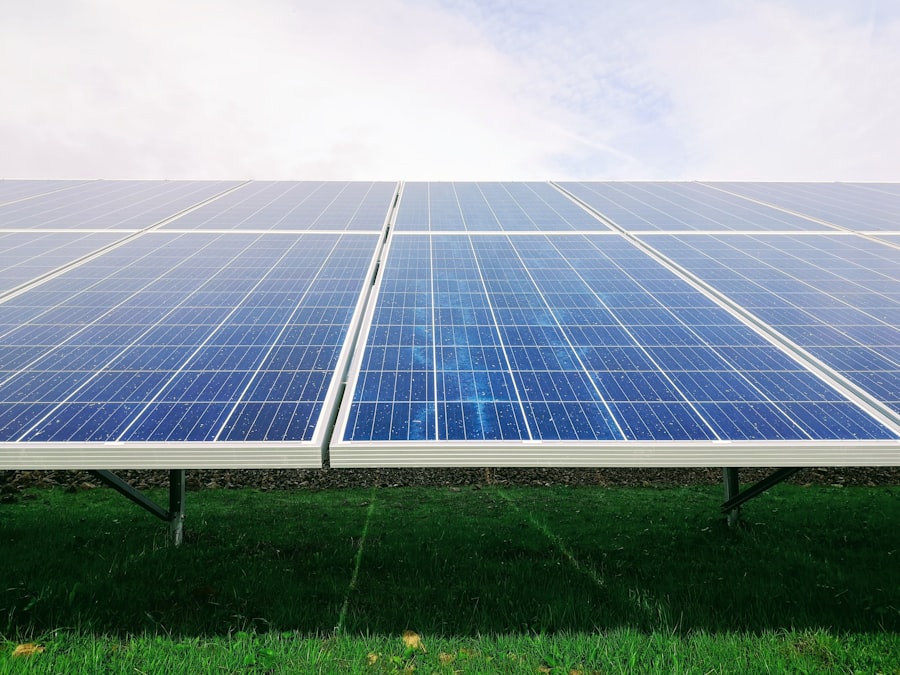
One of the most immediate benefits of solar energy for low-income households is the significant reduction in energy costs. By generating their own electricity, families can drastically lower their monthly utility bills, freeing up funds for other essential expenses such as food, healthcare, and education. This financial relief can be life-changing for many households, allowing them to allocate resources more effectively and improve their overall quality of life.
The savings from solar energy can also create opportunities for families to invest in other areas of their lives, such as home improvements or savings for future needs. In addition to direct savings on utility bills, solar energy can also protect low-income households from the volatility of traditional energy markets. As fossil fuel prices fluctuate due to geopolitical tensions or natural disasters, families relying on conventional energy sources may find themselves facing unexpected financial strain.
By contrast, solar energy provides a stable and predictable cost structure, allowing families to budget more effectively and plan for the future. This financial stability is particularly crucial for low-income households, where every dollar counts and unexpected expenses can have a profound impact on overall well-being.
Improved Health and Well-being
The transition to solar energy not only offers financial benefits but also contributes to improved health and well-being for low-income households. Traditional energy sources, particularly fossil fuels, are associated with air pollution and other environmental hazards that can have detrimental effects on public health. By shifting to clean solar energy, families can reduce their exposure to harmful pollutants, leading to better respiratory health and overall quality of life.
This is especially important for vulnerable populations, including children and the elderly, who may be more susceptible to the adverse effects of pollution. Moreover, the psychological benefits of adopting solar energy should not be overlooked. The empowerment that comes from taking control of one’s energy source can lead to increased confidence and a sense of agency among low-income families.
As they witness the positive changes in their lives—such as reduced bills and improved health—they may feel more motivated to engage in other aspects of community life, fostering social connections and support networks. This holistic improvement in well-being underscores the multifaceted impact that solar energy can have on low-income households.
Economic Empowerment and Job Creation
The growth of the solar industry presents significant opportunities for economic empowerment within low-income communities. As demand for solar technology increases, so too does the need for skilled workers to install and maintain these systems. This creates job opportunities that can provide stable employment for individuals who may have faced barriers to traditional job markets.
By investing in training programs focused on solar technology, communities can equip residents with valuable skills that not only enhance their employability but also contribute to local economic growth. Furthermore, the economic benefits of solar energy extend beyond job creation; they also stimulate local economies by keeping money within communities. When families invest in solar technology, they are often supporting local businesses and contractors who provide installation services.
This circulation of funds helps strengthen community ties and fosters a sense of shared purpose as residents work together towards a common goal: achieving energy independence through sustainable practices.
Environmental Benefits

Reducing Environmental Harm and Promoting Healthier Living
The shift towards clean energy not only helps mitigate environmental harm but also promotes a healthier living environment for families who may be disproportionately affected by pollution.
Enhancing Local Biodiversity
Solar energy systems can enhance local biodiversity by reducing reliance on harmful extraction processes associated with fossil fuels. As communities adopt sustainable practices, they contribute to the preservation of natural habitats and ecosystems that are vital for maintaining ecological balance.
Fostering Environmental Stewardship and Sustainability
This commitment to environmental stewardship fosters a sense of responsibility among residents, encouraging them to engage in other sustainable practices that benefit both their community and the planet.
Increased Energy Independence
In an era marked by geopolitical tensions and fluctuating energy prices, increased energy independence is a crucial goal for low-income households. By investing in solar technology, families can generate their own electricity and reduce their reliance on external sources of power. This independence not only provides financial security but also enhances resilience against potential disruptions in traditional energy supply chains.
As households become less dependent on fossil fuels, they gain greater control over their energy future. Moreover, increased energy independence fosters a sense of community solidarity as neighbors come together to support one another in their transition to renewable energy sources. Collaborative efforts such as community solar projects allow multiple households to share resources and benefits while working towards a common goal of sustainability.
This collective approach not only strengthens community bonds but also amplifies the impact of individual efforts, creating a powerful movement towards clean energy adoption.
Community Resilience and Disaster Preparedness
The integration of solar energy into low-income households plays a vital role in enhancing community resilience and disaster preparedness. In times of crisis—whether due to natural disasters or economic downturns—access to reliable power becomes even more critical. Solar energy systems can provide a stable source of electricity during emergencies when traditional power grids may fail.
This reliability ensures that families have access to essential services such as refrigeration for food storage or medical equipment that requires electricity. Furthermore, communities that embrace solar technology are better equipped to respond to challenges posed by climate change. As extreme weather events become more frequent and severe, having decentralized sources of power can mitigate the impact on vulnerable populations.
By investing in renewable energy infrastructure, low-income neighborhoods can build resilience against future shocks while fostering a culture of preparedness that empowers residents to take proactive measures in safeguarding their homes and families.
Education and Training Opportunities
The rise of solar energy presents unique educational and training opportunities for low-income communities seeking economic advancement. As the demand for skilled workers in the renewable energy sector grows, training programs focused on solar technology can provide individuals with valuable skills that enhance their employability. These programs often prioritize inclusivity, ensuring that marginalized groups have access to resources that empower them in the job market.
Moreover, educational initiatives surrounding solar energy can foster greater awareness about sustainability among community members. Workshops and informational sessions can help demystify renewable technologies while encouraging residents to engage with clean energy solutions actively. By equipping individuals with knowledge about solar power’s benefits and applications, communities can cultivate a culture of innovation that inspires future generations to pursue careers in renewable energy fields.
Policy and Advocacy Efforts
The successful integration of solar energy into low-income households relies heavily on supportive policy frameworks and advocacy efforts at local, state, and national levels. Policymakers play a crucial role in creating incentives for renewable energy adoption through tax credits, grants, or subsidies that make solar technology more accessible for low-income families. Advocacy groups also work tirelessly to raise awareness about the importance of equitable access to clean energy solutions while pushing for policies that prioritize marginalized communities.
Community engagement is essential in these advocacy efforts; residents must have a voice in shaping policies that affect their lives directly. By organizing grassroots campaigns or participating in public forums, low-income households can advocate for their rights to affordable and sustainable energy solutions. This collective action not only amplifies their concerns but also fosters a sense of empowerment as they work together towards achieving equitable access to renewable resources.
Future Opportunities for Expansion and Growth
Looking ahead, the future opportunities for expansion and growth within the realm of solar energy are vast—especially for low-income households seeking sustainable solutions. As technology continues to advance and costs decrease, more families will have access to affordable solar options that meet their unique needs. Innovations such as community solar projects or pay-as-you-go models offer flexible solutions that cater specifically to low-income demographics.
Additionally, partnerships between government agencies, non-profit organizations, and private companies can further enhance access to solar technology for underserved communities. Collaborative initiatives focused on education, training, and financing will empower individuals while fostering economic growth within local economies. As awareness about climate change grows globally, there is an increasing recognition of the need for equitable access to renewable resources—creating an environment ripe for expansion within the solar sector.
In conclusion, the impact of solar energy on low-income households is profound and multifaceted. From reducing energy costs and improving health outcomes to fostering economic empowerment and community resilience, the benefits are far-reaching. As we look towards a future powered by renewable resources, it is essential that we prioritize equitable access for all communities—ensuring that everyone has the opportunity to thrive in a sustainable world.
A related article to “How Solar Energy Improved Outcomes for Low-Income Households” is “Are There Innovative Technologies That Predict and Adapt to Solar Energy Fluctuations?” This article discusses the advancements in technology that help predict and adapt to fluctuations in solar energy production, which can be crucial for maximizing the benefits of solar energy for all households, including low-income ones. To learn more about this topic, you can read the article here.
FAQs
What is solar energy?
Solar energy is energy from the sun that is converted into thermal or electrical energy. It is a renewable and sustainable source of energy that can be harnessed through the use of solar panels.
How has solar energy improved outcomes for low-income households?
Solar energy has improved outcomes for low-income households by providing them with access to affordable and sustainable energy. This has helped to reduce their energy bills, improve their living conditions, and reduce their reliance on traditional, more expensive energy sources.
What are the benefits of solar energy for low-income households?
The benefits of solar energy for low-income households include reduced energy costs, improved indoor air quality, increased energy independence, and access to reliable and sustainable energy sources.
How has the implementation of solar energy programs impacted low-income communities?
The implementation of solar energy programs has positively impacted low-income communities by providing them with access to clean and affordable energy, creating job opportunities, and reducing their overall energy burden.
What are some examples of solar energy programs for low-income households?
Examples of solar energy programs for low-income households include community solar projects, low-income solar incentives, and solar financing programs specifically designed to make solar energy more accessible to low-income communities.