
In the world of renewable energy, solar panels have proven to be a game-changer. They harness the power of the sun, providing an eco-friendly and sustainable source of electricity. However, a question that often arises is whether solar panels are still effective during cloudy weather. As we delve into this topic, you’ll discover the surprising truth behind the functionality of solar panels on those gray and overcast days.

How do solar panels work?
Solar panels are devices that convert sunlight into usable electricity through a process called the photovoltaic effect. This effect occurs when certain materials, such as silicon, absorb photons from sunlight, causing electrons to be released from their atoms. These free electrons can then be captured and harnessed as an electrical current for various applications.
Photovoltaic effect
The photovoltaic effect is the process through which solar panels generate electricity. It involves the use of materials called photovoltaic cells, which consist of two layers: a negatively charged layer and a positively charged layer. When sunlight hits these cells, photons excite the electrons in the negatively charged layer, causing them to move to the positively charged layer. This movement of electrons creates an electric current, which can be used to power homes and businesses.

Types of solar panels
There are different types of solar panels available in the market, each with its own advantages and limitations. The most common type is the monocrystalline solar panel, which consists of a single crystal structure that allows for efficient light absorption. Another popular type is the polycrystalline solar panel, which is made up of multiple silicon crystals and is generally less expensive. Additionally, there are thin-film solar panels, which are flexible and can be easily integrated into different surfaces.
Factors that affect solar panel performance in cloudy weather
While solar panels are most efficient under direct sunlight, they can still generate electricity on cloudy days. However, several factors can affect their performance in such conditions.
Intensity of sunlight
The intensity of sunlight is a key factor in determining the output of solar panels. Cloudy weather reduces the amount of sunlight that reaches the panels, resulting in lower energy production. However, even on cloudy days, a significant amount of sunlight can still penetrate through the clouds, allowing for some electricity generation.
Thickness and type of cloud cover
The thickness and type of cloud cover also impact solar panel performance. Thin clouds may allow a considerable amount of sunlight to pass through, resulting in less impact on electricity production. On the other hand, thick clouds can significantly reduce the amount of sunlight reaching the panels, leading to a decrease in energy output.
Temperature
Temperature plays a role in solar panel performance as well. High temperatures can affect the efficiency of solar cells, causing them to produce less electricity. In cloudier weather, the cooling effect of clouds may help maintain lower temperatures, which can mitigate some of the negative effects on energy production.
Tilt and orientation of the panels
The tilt and orientation of solar panels also influence their performance in cloudy weather. Optimal tilt and orientation allow for better exposure to sunlight, maximizing the amount of energy generated. Adjusting the panels to align with the angle of the incoming sunlight can help improve efficiency, especially during cloudy conditions when sunlight may be more scattered.
Efficiency of solar panels
The efficiency of solar panels is an important factor in determining their performance in cloudy weather. Higher efficiency panels can convert a larger percentage of available sunlight into electricity, even under less favorable weather conditions. Investing in high-efficiency solar panels can help improve energy production on cloudy days.
Dust and dirt on the panels
Dust and dirt accumulation on solar panels can also impact their performance, especially in cloudy weather. These particles can reduce the amount of sunlight that reaches the panels, leading to decreased electricity generation. Regular maintenance and cleaning of the panels can help mitigate this issue and ensure optimal performance.

Impact of cloud cover on solar panel efficiency
The thickness and type of clouds, as well as the resulting sunlight, can have varying impacts on the efficiency of solar panels.
Thin clouds vs. thick clouds
Thin clouds generally have a lesser impact on solar panel efficiency compared to thick clouds. Although thin clouds diffuse sunlight and reduce its intensity, a significant amount of sunlight can still reach the panels, allowing for some electricity production. In contrast, thick clouds can block a significant portion of the sunlight, resulting in a more significant decrease in efficiency.
Diffuse vs. direct sunlight
On cloudy days, sunlight becomes more diffuse as it scatters through the cloud cover. This diffuse sunlight is less concentrated and can be more challenging for solar panels to capture. In contrast, direct sunlight provides a more focused and intense stream of photons, which is ideal for optimal energy production. However, even with diffuse sunlight, solar panels can still generate electricity, although at a reduced efficiency.
Percentage decrease in efficiency
The percentage decrease in solar panel efficiency during cloudy weather can vary depending on various factors, including the thickness of the cloud cover and the specific type and efficiency of the panels. Generally, a cloudy day can result in a reduction of around 10-25% in energy output compared to clear sunny conditions. However, advancements in technology and use of high-efficiency panels can help mitigate this decrease in efficiency.
Do solar panels work on rainy days?
Solar panels can still generate electricity on rainy days, although their performance is significantly impacted.
Rainfall intensity
The intensity of rainfall directly affects solar panel performance during rainy days. Heavy rainfall can block a substantial amount of sunlight, resulting in a significant decrease in energy production. Light rain, on the other hand, may still allow some sunlight to reach the panels, enabling them to generate a reduced amount of electricity.
Possible challenges
Rainy weather poses several challenges to solar panels. The accumulation of rainwater on the surface of the panels can reduce their light-absorbing efficiency, leading to decreased electricity generation. Additionally, rainwater may cause dust and dirt on the panels to become more adherent, further reducing their performance. Regular maintenance and cleaning can help mitigate these challenges.
Net energy production
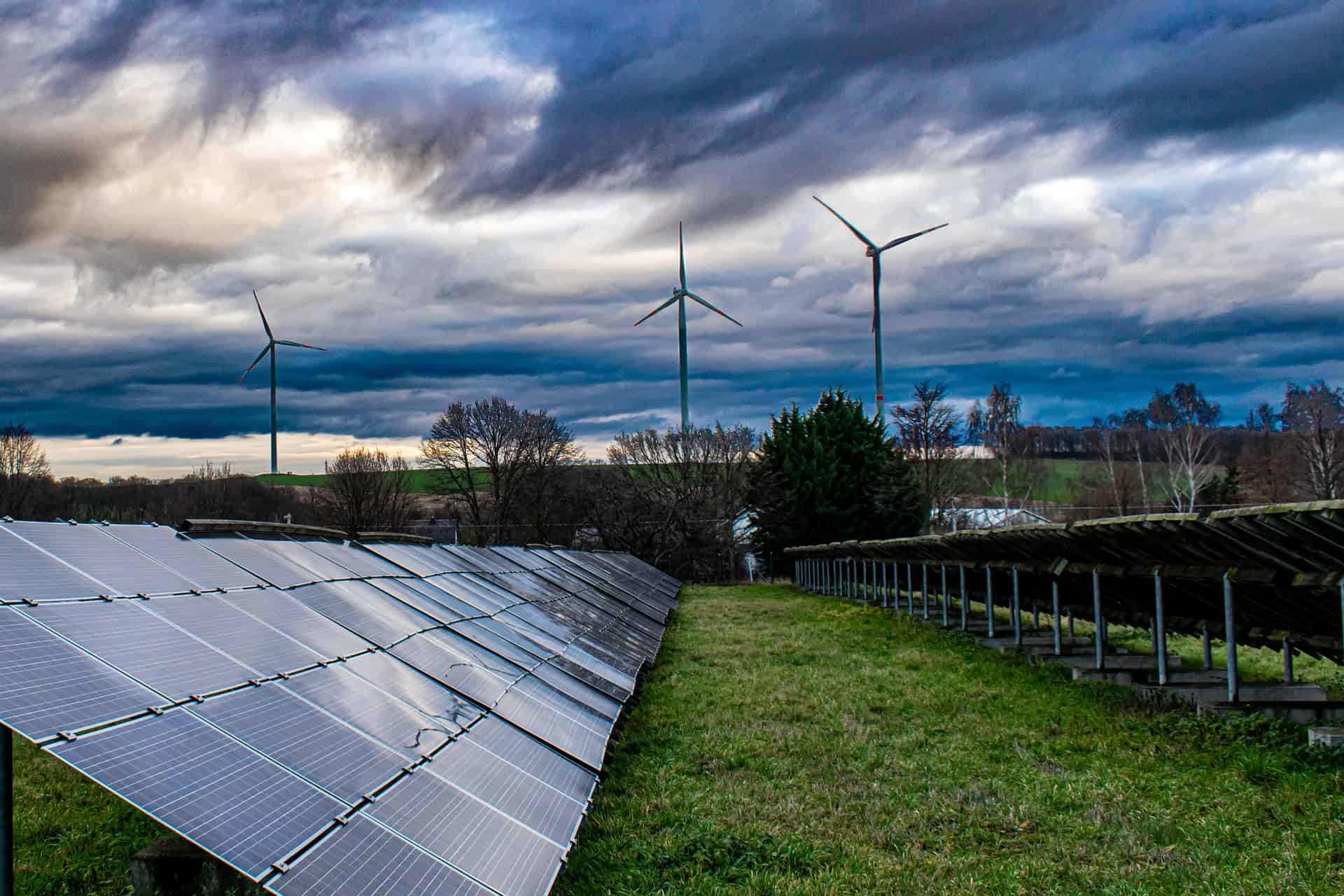
Despite the challenges posed by rainy weather, solar panels can still contribute to net energy production. While the electricity generated may be significantly reduced, it can still offset a portion of the total energy consumption. Additionally, solar energy systems can be complemented with other sources, such as wind turbines or grid connections, to ensure a consistent power supply during rainy days.

Effect of temperature on solar panel performance
Temperature can impact the performance of solar panels, both positively and negatively.
Temperature coefficient
Solar panels have a temperature coefficient, which indicates how their performance is affected by changes in temperature. Typically, the temperature coefficient represents the percentage change of power output per degree Celsius. A positive coefficient means that solar panel efficiency decreases with increasing temperature, while a negative coefficient implies that efficiency improves with lower temperatures.
Heat and panel efficiency
High temperatures can negatively impact solar panel efficiency. When the temperature increases, the resistance of the materials within the panels also increases, leading to a drop in voltage output. This decrease in voltage results in lower overall power production. However, moderate temperatures can have a positive effect on solar panel performance, as they allow for better conductivity and electron movement within the panels.
Cooling effects of clouds
In cloudy weather, clouds can provide a natural cooling effect on solar panels. While the sunlight may be less intense, the cloud cover can help mitigate the temperature rise that would occur under direct sunlight. This cooling effect can help maintain efficiency levels and partially offset the decreased electricity production caused by the cloud cover.
The role of tilt and orientation in maximizing solar panel performance
The tilt angle and orientation of solar panels are crucial factors in optimizing their performance.
Ideal tilt angle
The ideal tilt angle for solar panels depends on the latitude of the installation location. In general, for maximum energy production, the tilt angle should be equal to the latitude plus 15 degrees in the winter and minus 15 degrees in the summer. This tilt allows for better exposure to sunlight throughout the year, maximizing electricity generation.
Optimal orientation for maximum energy production
The optimal orientation of solar panels varies depending on the hemisphere. In the Northern Hemisphere, panels should face south, while in the Southern Hemisphere, they should face north. This orientation ensures that the panels receive the most direct sunlight, especially during peak hours, resulting in increased energy production.
Adjustable mounts and tracking systems
To optimize solar panel performance, adjustable mounts and tracking systems can be used. These systems allow the panels to be tilted and repositioned throughout the day, aligning them with the angle of the sun and maximizing exposure to sunlight. By dynamically tracking the movement of the sun, solar panels can capture a higher percentage of available sunlight, improving overall energy production even during cloudy weather.
Ways to improve solar panel efficiency in cloudy weather
Several strategies can be employed to enhance solar panel efficiency in cloudy weather conditions.
Using advanced panel technologies
Investing in advanced panel technologies can significantly improve efficiency. For example, the use of bifacial solar panels allows for the absorption of light from both sides, increasing the overall energy output. Additionally, solar panels with higher conversion efficiencies can better utilize the limited sunlight available on cloudy days.
Investing in energy storage systems
Energy storage systems, such as batteries, can help maximize the use of solar energy during cloudy weather. Excess energy generated during sunny periods can be stored and used when sunlight is limited, ensuring a consistent power supply. These storage systems increase the overall self-sufficiency and reliability of solar energy systems in cloudy regions.
Maintaining and cleaning the panels
Regular maintenance and cleaning of solar panels are crucial for optimal performance. Dust, dirt, and debris can accumulate on the panel surface, reducing their efficiency. Cleaning the panels with water and a soft brush can remove these particles and restore their light-absorbing capabilities. Moreover, proactive maintenance can identify and repair any issues that may arise, ensuring the longevity and efficiency of the solar energy system.
Optimizing tilt and orientation
Adjusting the tilt and orientation of solar panels based on the prevailing weather conditions can help enhance their efficiency. During cloudy weather, a steeper tilt angle and adjustments to face the brightest areas of the sky can improve energy production by maximizing exposure to available sunlight. Monitoring weather patterns and adjusting the panels accordingly can result in increased energy output.
Amplifying sunlight with reflective surfaces
Reflective surfaces can be strategically placed around solar panels to enhance their exposure to sunlight. These surfaces can redirect and concentrate sunlight towards the panels, compensating for the reduced intensity on cloudy days. Utilizing reflective materials, such as mirrors or aluminum foils, can amplify the sunlight received by the panels, thereby improving energy production even during cloudy weather.
Comparing solar panel performance in different weather conditions
Solar panel performance varies across different weather conditions. Here is a comparison of performance under various weather scenarios:
Clear sunny days
On clear sunny days, solar panels operate at their maximum efficiency. They receive direct and intense sunlight, resulting in the highest energy production. The performance during these conditions serves as the benchmark for solar panel efficiency.
Partly cloudy days
Partly cloudy days present a mix of direct and diffused sunlight. While the presence of clouds reduces the overall intensity of sunlight, solar panels can still generate a significant amount of electricity. The efficiency may be slightly lower than on clear sunny days, but energy production is still substantial.
Overcast and cloudy days
During overcast and cloudy days, solar panel performance is noticeably affected. The reduced sunlight intensity and diffuse nature of the light result in a decrease in energy output. However, even in these conditions, solar panels can still generate electricity, albeit at a reduced efficiency compared to sunny days.
Rainy and stormy days
Rainy and stormy days pose more significant challenges to solar panel performance. The cloud cover is thicker, and intense rainfall can obstruct a substantial amount of sunlight. As a result, solar panels produce significantly less electricity during these conditions. However, advancements in technology and combined energy systems can help mitigate the impact of these weather conditions.
Winter and cold weather
Winter and cold weather can affect solar panel performance differently. While the reduced sunlight hours and lower intensity can decrease energy production, the cooler temperatures can have a positive effect on panel efficiency. The improved conductivity of the materials within the panels can partially counterbalance the decrease in sunlight. However, it is essential to consider the overall decrease in available sunlight during the winter months.
Real-life examples of successful solar panel installations in cloudy regions
Numerous successful solar panel installations have been implemented in cloudy regions around the world. Three notable examples are:
Installation in Germany
Germany is known for its robust solar energy sector, despite its frequently cloudy weather. The country has made significant investments in solar energy and has one of the largest installed solar capacities globally. Its success can be attributed to advanced panel technologies, high-efficiency systems, and effective maintenance practices. Germany has shown that solar panels can thrive even in cloudy regions with proper planning and implementation.
Projects in the United Kingdom
The United Kingdom, another cloudy region, has also witnessed successful solar panel installations. Despite its reputation for overcast weather, the UK has seen a rapid growth in solar energy production. The government’s support, favorable policies, and advancements in technology have been instrumental in driving this growth. The widespread adoption of solar panels in the UK demonstrates that cloudy weather is not a significant barrier to solar energy generation.
Case study of installations in Seattle
Seattle, located in the Pacific Northwest of the United States, is known for its frequent rain and cloudy weather. However, even in such conditions, solar panel installations have proven to be highly successful. Homeowners and businesses in Seattle have embraced solar energy, taking advantage of government incentives and advancements in panel efficiency. The installations in Seattle highlight the possibility of generating electricity from solar panels in regions with significant cloud cover.
Conclusion
Solar panels can generate electricity even in cloudy weather conditions, although their efficiency may be lower compared to clear sunny days. Factors such as the intensity of sunlight, cloud cover thickness, temperature, tilt and orientation of panels, efficiency of panels, and dust accumulation can all influence the performance of solar panels in cloudy weather. However, advancements in technology, the use of advanced panel technologies, proper maintenance, and optimized tilt and orientation can help improve their efficiency. While solar panel performance is reduced in cloudy weather, it is not negligible, and solar energy systems can still contribute to net energy production. Real-life examples in cloudy regions like Germany, the United Kingdom, and Seattle demonstrate the viability of solar panels in such conditions. With continued advancements in technology and increased adoption of solar energy, the performance of solar panels in cloudy weather will likely continue to improve.