
When you think about solar panels, you might envision sleek, shiny panels soaking up the sun’s rays on a rooftop. But what exactly are they, and how do they work? At their core, solar panels are devices that convert sunlight into electricity.
They achieve this through photovoltaic cells, which are made from semiconductor materials like silicon. When sunlight hits these cells, it excites electrons, creating an electric current. This process is known as the photovoltaic effect, and it’s the fundamental principle behind solar energy generation.
As you delve deeper into the world of solar energy, you’ll discover that there are two main types of solar panels: monocrystalline and polycrystalline. Monocrystalline panels are made from a single crystal structure, making them more efficient and space-saving, while polycrystalline panels are composed of multiple crystal structures and tend to be less expensive but slightly less efficient. Understanding these differences is crucial as you consider your options for harnessing solar energy in your home.
Key Takeaways
- Solar panels convert sunlight into electricity through photovoltaic cells
- Assess your home’s solar potential by evaluating roof space, shading, and orientation
- Calculate your energy needs by reviewing past utility bills and considering future usage
- Choose the right solar panel system based on your energy needs, budget, and available space
- Source materials for DIY solar panels from reputable suppliers and ensure they meet safety standards
Assessing Your Home’s Solar Potential
Before you invest in solar panels, it’s essential to assess your home’s solar potential. This involves evaluating factors such as your roof’s orientation, angle, and shading. Ideally, your roof should face south to maximize sunlight exposure throughout the day.
If your roof is shaded by trees or nearby buildings, it may not be the best candidate for solar panels. You can use online tools or consult with a solar energy expert to analyze your roof’s solar potential accurately. Additionally, consider the climate in your area.
Regions with abundant sunshine will yield better results from solar panels than those with frequent cloud cover or rain. By understanding your home’s specific conditions, you can make informed decisions about whether solar energy is a viable option for you.
Calculating Your Energy Needs
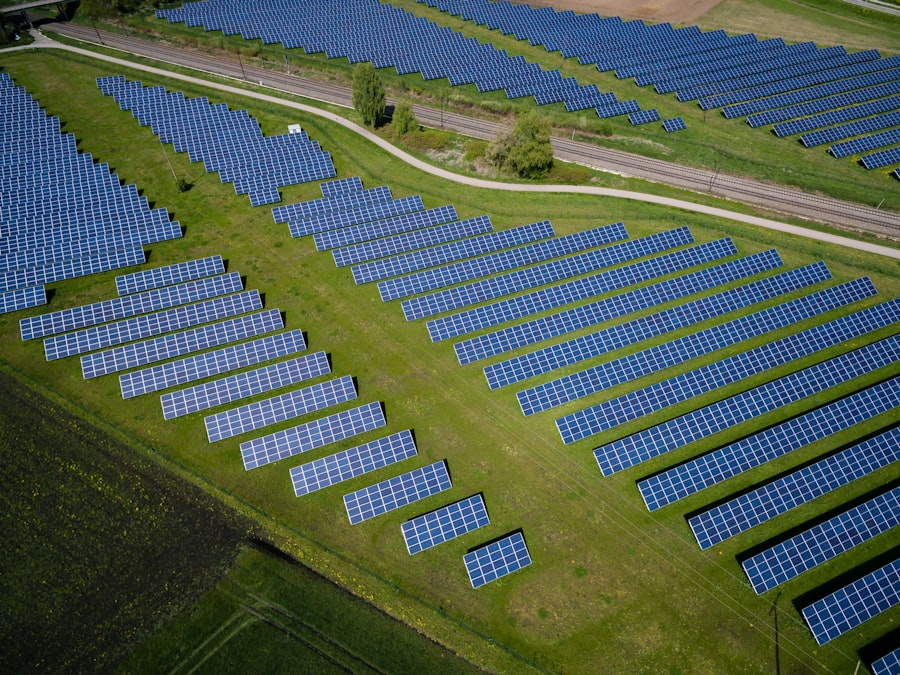
Once you’ve assessed your home’s solar potential, the next step is to calculate your energy needs. Start by reviewing your electricity bills from the past year to determine your average monthly usage in kilowatt-hours (kWh). This figure will help you understand how much energy you need to generate with your solar panel system.
It’s also wise to consider any future changes that may affect your energy consumption. For instance, if you plan to purchase an electric vehicle or add more appliances, factor these into your calculations. By accurately estimating your energy needs, you can design a solar panel system that meets your requirements without over- or under-sizing it.
Choosing the Right Solar Panel System for Your Home
With a clear understanding of your energy needs and your home’s solar potential, you can now choose the right solar panel system for your home. There are several options available, including grid-tied systems, off-grid systems, and hybrid systems. A grid-tied system connects directly to the utility grid, allowing you to draw power when needed and sell excess energy back to the grid.
This option is often the most cost-effective for homeowners. On the other hand, if you live in a remote area or want to be completely independent from the grid, an off-grid system may be more suitable. These systems require battery storage to store excess energy for use during cloudy days or at night.
Hybrid systems combine elements of both grid-tied and off-grid systems, providing flexibility and backup power options. Consider your lifestyle and preferences when selecting the best system for your needs.
Sourcing Materials for DIY Solar Panels
If you’re inclined to take on a DIY project, sourcing materials for building your own solar panels can be an exciting venture. You’ll need photovoltaic cells, a backing material (like plywood or aluminum), glass or acrylic for protection, and wiring components. Many online retailers specialize in solar panel kits that include all necessary materials and instructions for assembly.
When sourcing materials, it’s essential to prioritize quality over cost. While it may be tempting to choose cheaper components, investing in high-quality materials will ensure better efficiency and longevity for your solar panels. Additionally, consider purchasing from reputable suppliers who offer warranties and customer support to assist you throughout the process.
Understanding the Installation Process
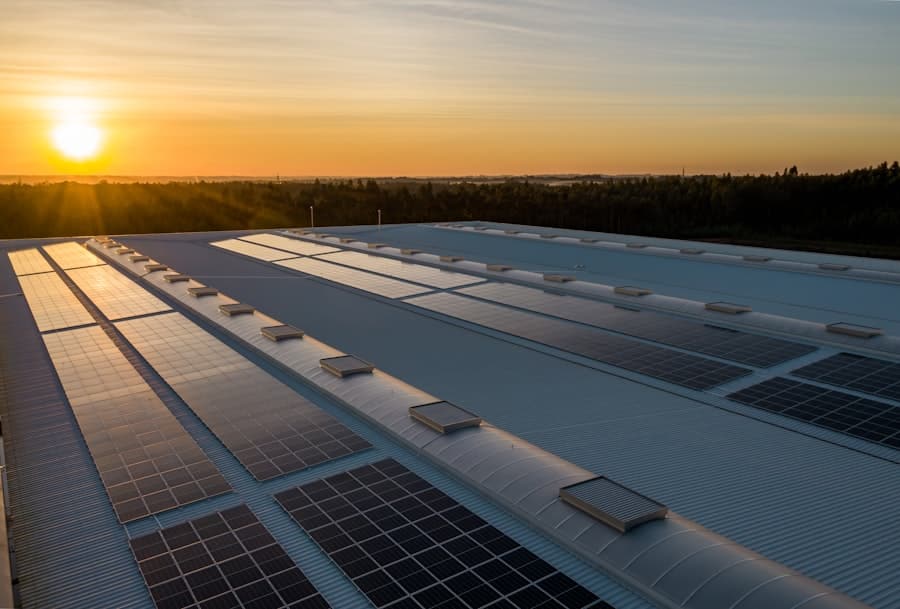
Installing solar panels can be a complex task that requires careful planning and execution. If you’re taking the DIY route, start by familiarizing yourself with the installation process. This typically involves mounting the panels on your roof or in your yard, connecting them to an inverter that converts direct current (DC) into alternating current (AC), and wiring them into your home’s electrical system.
Before you begin installation, ensure that you have all necessary tools and safety equipment on hand. It’s also wise to consult local building codes and regulations to ensure compliance with safety standards. If you’re unsure about any aspect of the installation process, don’t hesitate to seek guidance from experienced individuals or online resources.
Connecting Your Solar Panels to Your Home’s Electrical System
Once your solar panels are installed, the next step is connecting them to your home’s electrical system. This process involves wiring the panels to an inverter that converts the DC electricity generated by the panels into AC electricity that can be used in your home. It’s crucial to follow proper wiring techniques and safety protocols during this stage to prevent electrical hazards.
If you’re not comfortable working with electrical systems, consider hiring a professional electrician to assist with this part of the installation. They can ensure that everything is connected correctly and safely while also helping you navigate any local regulations regarding electrical work.
Ensuring Safety and Compliance with Building Codes
Safety should always be a top priority when installing solar panels. Before starting your project, familiarize yourself with local building codes and regulations related to solar installations. These codes may dictate specific requirements for panel placement, wiring methods, and structural integrity.
In addition to adhering to building codes, it’s essential to prioritize safety during installation. Use appropriate safety gear such as gloves and goggles, and ensure that you’re working on a stable surface when mounting panels on your roof or elsewhere. If you’re unsure about any aspect of safety or compliance, don’t hesitate to consult with professionals who can provide guidance.
Maintaining and Monitoring Your DIY Solar Panels
Once your solar panels are up and running, it’s important to establish a maintenance routine to ensure optimal performance over time. Regularly inspect your panels for dirt or debris that may obstruct sunlight exposure; cleaning them occasionally can significantly improve efficiency. Additionally, monitor their performance through a monitoring system that tracks energy production and consumption.
If you notice any significant drops in energy output or other issues, investigate promptly to identify potential problems such as faulty wiring or damaged components. By staying proactive with maintenance and monitoring, you can maximize the lifespan and efficiency of your DIY solar panel system.
Maximizing the Benefits of Solar Energy
To truly reap the benefits of solar energy, consider ways to optimize its use in your home. One effective strategy is to shift your energy consumption patterns to align with peak sunlight hours when your solar panels are generating the most electricity. For example, running major appliances like dishwashers or washing machines during the day can help you utilize more of the energy produced by your panels.
Additionally, consider investing in energy-efficient appliances and lighting solutions that reduce overall energy consumption. By combining these strategies with your solar panel system, you’ll not only lower your electricity bills but also contribute positively to environmental sustainability.
Considering Professional Help if Needed
While DIY projects can be rewarding, there may come a time when seeking professional help is necessary or beneficial. If you’re feeling overwhelmed by any aspect of the process—whether it’s assessing your home’s solar potential or navigating complex electrical connections—don’t hesitate to reach out for assistance. Professional installers bring expertise and experience that can save you time and ensure a safe installation process.
They can also help you navigate local regulations and incentives that may be available for solar installations in your area. Ultimately, whether you choose to go it alone or enlist professional help, embracing solar energy is a significant step toward a more sustainable future for both you and the planet.