
Flexible solar panels represent a significant advancement in solar technology, offering a lightweight and adaptable alternative to traditional rigid solar panels. Unlike their conventional counterparts, which are typically made from glass and aluminum, flexible solar panels are constructed using thin-film photovoltaic materials. This allows them to bend and conform to various surfaces, making them ideal for a wide range of applications.
You might find these panels on rooftops, vehicles, or even portable devices, showcasing their versatility and innovative design. The technology behind flexible solar panels has evolved rapidly over the past few years. They are often made from materials such as organic photovoltaics, cadmium telluride, or amorphous silicon.
These materials enable the panels to be produced in a rollable format, which not only reduces shipping costs but also simplifies installation. As you explore the world of renewable energy, understanding the unique characteristics of flexible solar panels can help you appreciate their growing role in sustainable energy solutions.
Key Takeaways
- Flexible solar panels are lightweight, thin, and can be bent or curved to fit various surfaces, making them ideal for unconventional installation locations.
- Advantages of flexible solar panels include their portability, durability, and ability to generate electricity in low light conditions.
- Flexible solar panels can be used in a wide range of applications, including on boats, RVs, backpacks, and even clothing.
- These panels work by using photovoltaic cells to convert sunlight into electricity, just like traditional solar panels.
- There are different types of flexible solar panels, including thin-film, amorphous silicon, and organic photovoltaic panels, each with its own unique characteristics and applications.
Advantages of Flexible Solar Panels
One of the most compelling advantages of flexible solar panels is their lightweight nature. Weighing significantly less than traditional panels, they can be installed on surfaces that may not support the heavy load of conventional solar systems. This feature opens up new possibilities for installation on vehicles, boats, and even portable charging devices.
If you’re considering solar energy for your home or mobile applications, the lightweight aspect of flexible panels could be a game-changer. Another notable benefit is their adaptability to various surfaces. Flexible solar panels can be applied to curved or irregular shapes, making them suitable for a wide range of applications.
Whether you want to harness solar energy on a curved roof or integrate it into the design of a product, these panels can fit seamlessly into your plans. Additionally, their ability to perform well in low-light conditions means that you can still generate energy even on cloudy days, enhancing their overall efficiency and reliability.
Applications of Flexible Solar Panels
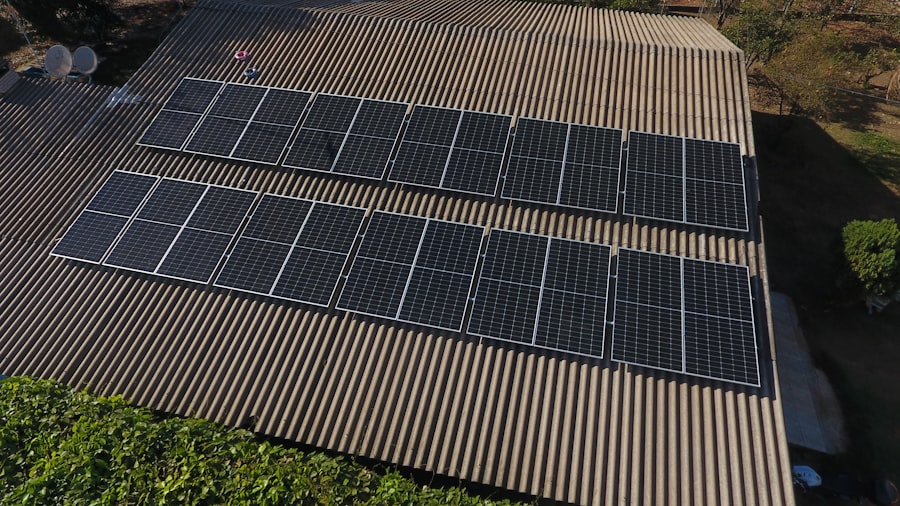
The applications of flexible solar panels are as diverse as their design. In the automotive industry, for instance, manufacturers are increasingly integrating these panels into vehicles to enhance energy efficiency. Imagine driving a car that not only runs on fuel but also generates electricity from sunlight while parked or in motion.
This innovation can significantly reduce reliance on fossil fuels and lower overall energy costs. Beyond vehicles, flexible solar panels are making waves in the realm of portable electronics. You might have seen backpacks equipped with solar panels that allow you to charge your devices while on the go.
This application is particularly appealing for outdoor enthusiasts who need reliable power sources during camping trips or hikes. Furthermore, flexible solar panels are being utilized in building-integrated photovoltaics (BIPV), where they are incorporated into building materials like windows and facades, creating aesthetically pleasing and energy-efficient structures.
How do Flexible Solar Panels Work?
Understanding how flexible solar panels work can deepen your appreciation for this technology. At their core, these panels convert sunlight into electricity through the photovoltaic effect. When sunlight strikes the surface of the panel, it excites electrons in the semiconductor material, creating an electric current.
This process is similar to how traditional solar panels operate; however, the materials used in flexible panels allow for greater flexibility and versatility. The construction of flexible solar panels typically involves layers of different materials that work together to capture sunlight efficiently. The top layer is often a protective coating that shields the photovoltaic material from environmental factors.
Beneath this layer lies the active photovoltaic material that generates electricity when exposed to sunlight. Finally, a backing layer provides structural support and insulation. As you delve into the mechanics of these panels, you’ll find that their design is both innovative and functional, allowing them to perform effectively in various conditions.
Types of Flexible Solar Panels
There are several types of flexible solar panels available on the market today, each with its unique characteristics and advantages. One common type is amorphous silicon (a-Si) panels, which are known for their lightweight and low-cost production process. These panels are particularly effective in low-light conditions, making them suitable for applications where sunlight exposure may be limited.
Another type is cadmium telluride (CdTe) panels, which offer high efficiency and are often used in larger installations. While they may not be as flexible as a-Si panels, they still provide a lightweight option for certain applications. Additionally, organic photovoltaic (OPV) panels are gaining traction due to their potential for low-cost production and environmentally friendly materials.
Each type of flexible solar panel has its strengths and weaknesses, so understanding these differences can help you make informed decisions based on your specific energy needs.
Installation of Flexible Solar Panels
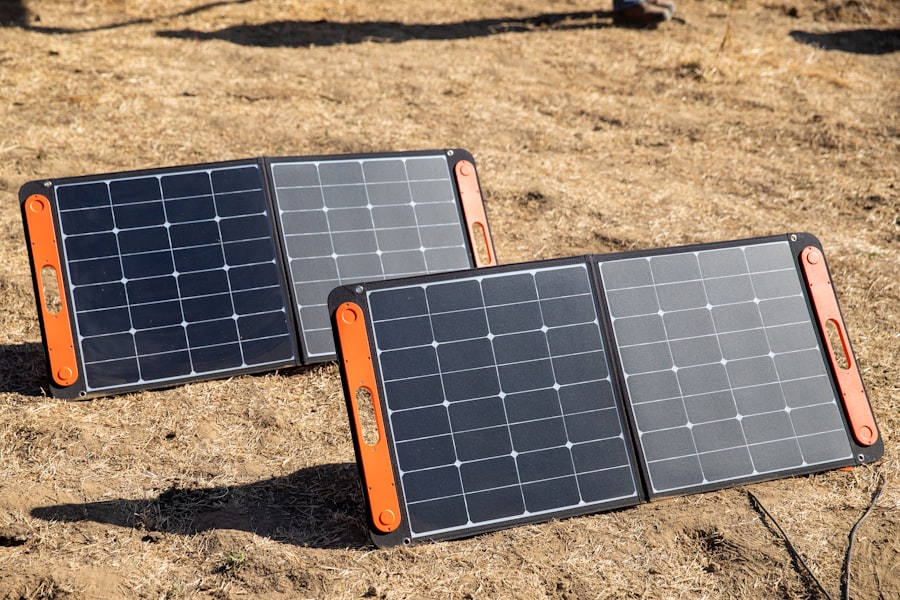
Installing flexible solar panels can be a straightforward process, especially when compared to traditional rigid systems. Their lightweight nature allows for easier handling and placement on various surfaces. Depending on your application, you may choose to use adhesive backing for installation or opt for mounting systems designed specifically for flexible panels.
If you’re considering installing these panels yourself, it’s essential to follow manufacturer guidelines to ensure optimal performance and longevity. For more complex installations or larger projects, hiring a professional installer may be beneficial. They can assess your specific needs and recommend the best approach for integrating flexible solar panels into your existing infrastructure.
Whether you’re looking to power your home or enhance a mobile application, proper installation is crucial for maximizing energy generation and ensuring the durability of your investment.
Maintenance of Flexible Solar Panels
Maintaining flexible solar panels is generally less demanding than maintaining traditional systems. Their durable construction often means they can withstand various environmental conditions without significant wear and tear. However, regular cleaning is essential to ensure optimal performance.
Dust, dirt, and debris can accumulate on the surface of the panels, reducing their efficiency over time. A simple wash with water and a soft cloth can help keep them clean and functioning at their best. Additionally, it’s important to periodically inspect the panels for any signs of damage or wear.
While flexible solar panels are designed to be resilient, factors such as extreme weather conditions or physical impacts can affect their performance. By staying proactive with maintenance checks and addressing any issues promptly, you can extend the lifespan of your flexible solar panels and continue to enjoy the benefits of renewable energy.
Comparison between Flexible and Traditional Solar Panels
When comparing flexible solar panels to traditional rigid ones, several key differences emerge that may influence your decision-making process. One significant distinction is weight; flexible panels are considerably lighter than traditional glass-and-aluminum systems. This characteristic allows for easier installation on various surfaces without requiring additional structural support.
Efficiency is another factor to consider. While traditional solar panels generally offer higher efficiency rates due to their robust construction and advanced technology, flexible panels have made significant strides in recent years. They may not always match the efficiency levels of rigid systems but can still provide substantial energy generation in specific applications where weight and adaptability are prioritized over maximum output.
Cost of Flexible Solar Panels
The cost of flexible solar panels can vary widely based on factors such as material type, manufacturer, and application requirements. Generally speaking, flexible solar panels tend to be more affordable than traditional rigid systems due to lower production costs and simpler installation processes. However, it’s essential to consider not just the initial investment but also long-term savings on energy bills and maintenance costs.
When evaluating the cost-effectiveness of flexible solar panels, think about your specific needs and how these systems align with your energy goals. For instance, if you’re looking for a lightweight solution for a mobile application or an unconventional surface, investing in flexible solar technology may yield significant benefits over time despite potentially lower efficiency rates compared to traditional options.
Environmental Impact of Flexible Solar Panels
The environmental impact of flexible solar panels is an important consideration as you explore renewable energy options. These panels often utilize materials that are less harmful to the environment compared to traditional photovoltaic systems. For example, organic photovoltaic materials can be produced using sustainable practices and have a lower carbon footprint during manufacturing.
Moreover, by harnessing solar energy through flexible panels, you contribute to reducing greenhouse gas emissions associated with fossil fuel consumption. As more individuals and businesses adopt renewable energy solutions like flexible solar technology, the cumulative effect can lead to significant positive changes in global energy consumption patterns and environmental health.
Future Developments in Flexible Solar Panel Technology
The future of flexible solar panel technology looks promising as researchers continue to innovate and improve upon existing designs. Advancements in materials science may lead to even lighter and more efficient photovoltaic materials that enhance energy generation capabilities while maintaining flexibility. You might see developments in organic photovoltaics that allow for greater scalability and lower production costs.
Additionally, integrating smart technology into flexible solar panels could revolutionize how we harness and utilize solar energy. Imagine having panels that can communicate with your home’s energy management system to optimize energy usage based on real-time data. As these technologies evolve, they will likely play a crucial role in shaping the future landscape of renewable energy solutions.
In conclusion, flexible solar panels offer a versatile and innovative approach to harnessing solar energy across various applications. Their lightweight design, adaptability to different surfaces, and potential for integration into everyday products make them an exciting option for those looking to invest in renewable energy solutions. As technology continues to advance, you can expect even more exciting developments in this field that will further enhance the benefits of flexible solar technology.