
As you explore options for heating water in your home, solar water heaters emerge as a compelling choice. These systems harness the sun’s energy to heat water, providing an eco-friendly alternative to conventional water heating methods. With the increasing awareness of climate change and the need for sustainable living, solar water heaters have gained popularity among homeowners looking to reduce their carbon footprint while enjoying the benefits of modern technology.
By utilizing renewable energy, you can not only save on utility bills but also contribute to a greener planet. Solar water heaters come in various designs and configurations, catering to different needs and preferences. Typically, they consist of solar collectors that capture sunlight and convert it into heat, which is then transferred to water stored in a tank.
This process can significantly reduce your reliance on fossil fuels and lower your energy costs. As you delve deeper into the world of solar water heating, you’ll discover the numerous advantages and challenges associated with these systems, helping you make an informed decision about whether they are right for your home.
Key Takeaways
- Solar water heaters use the sun’s energy to heat water for residential and commercial use.
- Pros of solar water heaters include reduced energy bills, lower carbon footprint, and potential rebates and incentives.
- Cons of solar water heaters include high upfront costs, dependence on sunlight, and potential maintenance issues.
- Environmental benefits of solar water heaters include reduced greenhouse gas emissions and decreased reliance on fossil fuels.
- The cost and payback period of solar water heaters vary depending on factors such as location, system size, and available incentives.
Pros of Solar Water Heaters
One of the most significant advantages of solar water heaters is their potential for substantial energy savings. By harnessing the sun’s energy, you can significantly reduce your reliance on traditional energy sources, leading to lower utility bills. Depending on your location and the efficiency of your system, you may find that solar water heaters can cover a large portion of your hot water needs throughout the year.
This not only benefits your wallet but also contributes to a more sustainable lifestyle. In addition to financial savings, solar water heaters are known for their low environmental impact. By using renewable energy, you help decrease greenhouse gas emissions associated with conventional water heating methods.
This shift towards cleaner energy sources is crucial in combating climate change and promoting a healthier planet for future generations. Furthermore, many solar water heater systems are designed to last for decades, providing long-term benefits that extend beyond immediate cost savings.
Cons of Solar Water Heaters

While solar water heaters offer numerous benefits, they are not without their drawbacks. One of the primary concerns is the initial investment required for installation. The upfront costs can be significant, especially if you opt for a high-quality system with advanced features.
Although many homeowners find that the long-term savings outweigh these initial expenses, it can still be a barrier for some individuals considering this technology. Another challenge you may encounter is the dependence on sunlight for optimal performance. In regions with limited sunlight or during cloudy days, the efficiency of solar water heaters can be compromised.
This means that you may need a backup heating system to ensure a consistent supply of hot water during periods of low solar energy availability. Additionally, factors such as shading from trees or nearby buildings can impact the effectiveness of your solar collectors, making it essential to assess your property’s suitability before making a decision.
Environmental Benefits of Solar Water Heaters
The environmental benefits of solar water heaters are profound and far-reaching. By utilizing renewable energy from the sun, you significantly reduce your reliance on fossil fuels, which are major contributors to greenhouse gas emissions. This shift not only helps mitigate climate change but also promotes cleaner air and water quality in your community.
As you embrace solar technology, you become part of a larger movement towards sustainability and environmental stewardship. Moreover, solar water heaters contribute to energy independence by decreasing demand for non-renewable resources. As more homeowners adopt this technology, the collective impact can lead to reduced pressure on local power grids and a decrease in the overall consumption of fossil fuels.
By choosing solar water heating, you are not only benefiting yourself but also playing a role in fostering a more sustainable future for everyone.
Cost and Payback Period of Solar Water Heaters
When considering a solar water heater, understanding the costs involved is crucial. The initial investment typically includes the purchase of the system, installation fees, and any necessary permits or inspections. While these costs can vary widely based on factors such as system size and location, it’s essential to conduct thorough research and obtain multiple quotes from reputable installers.
This will help you gauge the market rates and make an informed decision. The payback period for solar water heaters is another critical aspect to consider. On average, homeowners can expect to recoup their initial investment within five to ten years through energy savings.
However, this timeframe can vary based on factors such as local energy prices, available incentives, and the efficiency of your system. By calculating your potential savings and factoring in any available rebates or tax credits, you can better understand how long it will take for your investment to pay off.
Maintenance and Durability of Solar Water Heaters
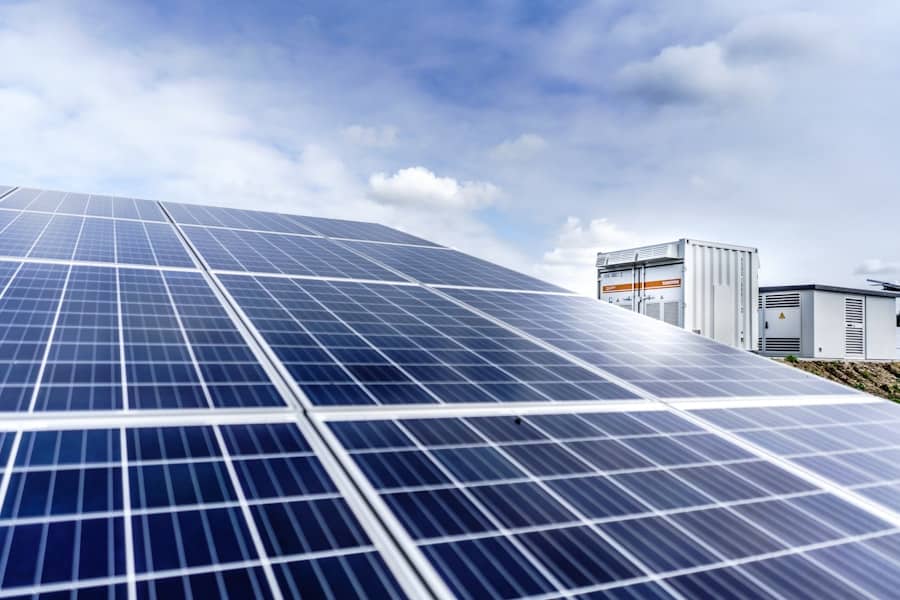
Maintenance is an essential consideration when it comes to solar water heaters. Fortunately, these systems are generally low-maintenance compared to traditional water heating methods. Regular inspections and occasional cleaning of the solar collectors are typically all that’s required to keep your system running efficiently.
It’s advisable to schedule professional maintenance at least once a year to ensure optimal performance and address any potential issues before they escalate. In terms of durability, solar water heaters are designed to withstand various weather conditions and have long lifespans—often exceeding 20 years with proper care. The materials used in their construction are typically resistant to corrosion and wear, ensuring that your investment remains functional for years to come.
By choosing a reputable manufacturer and adhering to maintenance guidelines, you can enjoy reliable hot water while minimizing the need for costly repairs or replacements.
Rebates and Incentives for Solar Water Heaters
One of the most appealing aspects of investing in a solar water heater is the availability of rebates and incentives that can significantly offset your initial costs. Many governments and local utilities offer financial incentives to encourage homeowners to adopt renewable energy technologies. These programs can include tax credits, cash rebates, or even low-interest loans specifically designed for solar installations.
To take full advantage of these incentives, it’s essential to research what programs are available in your area. Websites dedicated to renewable energy resources often provide up-to-date information on local incentives and eligibility requirements. By leveraging these financial benefits, you can make your transition to solar water heating more affordable and accelerate your return on investment.
Installation Considerations for Solar Water Heaters
When it comes to installing a solar water heater, several factors must be taken into account to ensure optimal performance. First and foremost is the orientation and tilt of the solar collectors; ideally, they should face south (in the Northern Hemisphere) at an angle that maximizes sun exposure throughout the year. Additionally, you’ll want to assess any potential shading from trees or buildings that could hinder sunlight access.
Another critical consideration is the type of system that best suits your needs—active or passive systems each have their advantages and disadvantages. Active systems use pumps and controls to circulate water or heat transfer fluid, while passive systems rely on natural convection and gravity. Your choice will depend on factors such as budget, climate conditions, and personal preferences regarding maintenance and efficiency.
Solar Water Heaters in Different Climates
The effectiveness of solar water heaters can vary significantly based on climate conditions. In sunny regions with ample sunlight throughout the year, these systems can provide nearly all of your hot water needs with minimal reliance on backup heating sources. Conversely, in areas with long winters or frequent cloud cover, you may find that a solar water heater alone may not suffice during certain months.
However, advancements in technology have made it possible for solar water heaters to perform well even in less-than-ideal conditions. For instance, some systems are designed with enhanced insulation or integrated backup heating elements that activate when solar energy is insufficient. By understanding how your local climate impacts solar water heating performance, you can make informed decisions about system selection and installation.
Comparison with Traditional Water Heaters
When comparing solar water heaters with traditional options such as electric or gas-powered units, several key differences emerge. Traditional water heaters often rely on fossil fuels or electricity generated from non-renewable sources, leading to higher operating costs and increased environmental impact over time. In contrast, solar water heaters utilize free energy from the sun, resulting in lower utility bills and reduced carbon emissions.
Additionally, traditional systems typically require more frequent maintenance and have shorter lifespans compared to well-maintained solar units. While traditional heaters may have lower upfront costs, their long-term expenses can add up quickly due to rising energy prices and potential repairs or replacements. By weighing these factors against each other, you can better understand which option aligns with your values and financial goals.
Is It Worth the Investment?
Ultimately, whether a solar water heater is worth the investment depends on various factors unique to your situation. If you’re committed to reducing your environmental impact while enjoying long-term savings on utility bills, investing in a solar water heater may be an excellent choice for you. The combination of financial incentives, low maintenance requirements, and durability makes these systems an attractive option for many homeowners.
However, it’s essential to conduct thorough research and consider factors such as climate conditions, installation costs, and potential savings before making a decision. By weighing the pros and cons carefully and consulting with professionals in the field, you can determine if a solar water heater aligns with your lifestyle and financial objectives—ultimately leading you toward a more sustainable future.
If you are considering investing in solar energy, you may also want to explore how time-of-use (TOU) electricity rates impact the economics of solar energy management. This article on TOU electricity rates provides valuable insights into how you can maximize the benefits of solar energy based on when you use it. Understanding the best times to use solar energy for different appliances is also crucial for optimizing your solar energy system. Check out this article on calculating the best times to use solar energy for more information on this topic.
FAQs
What is a solar water heater?
A solar water heater is a system that uses the sun’s energy to heat water for residential or commercial use. It typically consists of solar collectors, a storage tank, and a circulation system.
How does a solar water heater work?
Solar water heaters work by collecting sunlight and converting it into heat, which is then transferred to the water in the storage tank. This heated water can be used for various purposes such as bathing, washing, and heating the home.
What are the pros of using a solar water heater?
– Reduced energy bills: Solar water heaters can significantly lower energy bills by using the sun’s free and abundant energy.
– Environmentally friendly: Solar water heaters produce clean energy and reduce greenhouse gas emissions.
– Long-term savings: While the initial investment may be high, solar water heaters can provide long-term savings on energy costs.
What are the cons of using a solar water heater?
– High initial cost: The upfront cost of purchasing and installing a solar water heater can be expensive.
– Weather-dependent: Solar water heaters rely on sunlight, so their efficiency can be affected by weather conditions.
– Space requirements: Solar water heaters require adequate space for installation, including roof or ground space for the solar collectors.
Is a solar water heater worth the investment?
The decision to invest in a solar water heater depends on various factors such as location, energy usage, and available incentives. While it can provide long-term savings and environmental benefits, it’s important to consider the initial cost and practicality for your specific situation.