
As urbanization accelerates, the concept of smart cities has emerged as a beacon of hope for sustainable living. You may have heard the term “smart city” thrown around, but what does it truly mean? At its core, a smart city leverages technology and data to enhance the quality of life for its residents while promoting sustainability.
This involves the integration of various systems, including transportation, energy, and waste management, all designed to work in harmony. One of the most critical components of this vision is alternative energy, which plays a pivotal role in reducing carbon footprints and fostering a cleaner environment. Alternative energy sources, such as solar, wind, hydroelectric, geothermal, and biomass, are not just buzzwords; they represent a fundamental shift in how cities can power themselves.
As you explore the landscape of smart cities, you’ll find that these energy sources are not only viable but essential for creating resilient urban environments. By harnessing the power of alternative energy, smart cities can reduce their reliance on fossil fuels, mitigate climate change impacts, and create a more sustainable future for generations to come.
Key Takeaways
- Smart cities are urban areas that use technology and data to improve the quality of life for their residents and enhance sustainability.
- Alternative energy sources, such as solar, wind, hydroelectric, geothermal, biomass, and biofuels, play a crucial role in powering smart cities and reducing their environmental impact.
- Solar power is a key player in smart cities, providing clean and renewable energy that can be harnessed through photovoltaic panels and solar thermal systems.
- Wind energy is another important alternative energy source for smart cities, offering a sustainable and cost-effective way to generate electricity and reduce reliance on fossil fuels.
- Hydroelectric power is a valuable component of smart cities, utilizing the energy of flowing water to produce electricity and contribute to a more sustainable urban environment.
The Benefits of Alternative Energy in Smart Cities
The advantages of integrating alternative energy into smart cities are manifold. First and foremost, you will notice a significant reduction in greenhouse gas emissions. By transitioning from traditional fossil fuels to renewable sources, cities can drastically lower their carbon footprints.
This shift not only helps combat climate change but also improves air quality, leading to better health outcomes for residents. Imagine breathing cleaner air and enjoying a healthier lifestyle as a direct result of your city’s commitment to sustainable energy practices. Moreover, alternative energy sources contribute to energy independence.
As you become more aware of global energy markets and their volatility, you may appreciate how cities that invest in local renewable energy can shield themselves from price fluctuations and supply disruptions. This independence fosters economic stability and resilience, allowing cities to thrive even in uncertain times. Additionally, the job creation potential in the renewable energy sector is substantial.
As smart cities invest in alternative energy infrastructure, they generate employment opportunities in manufacturing, installation, and maintenance, thereby boosting local economies.
The Role of Solar Power in Smart Cities
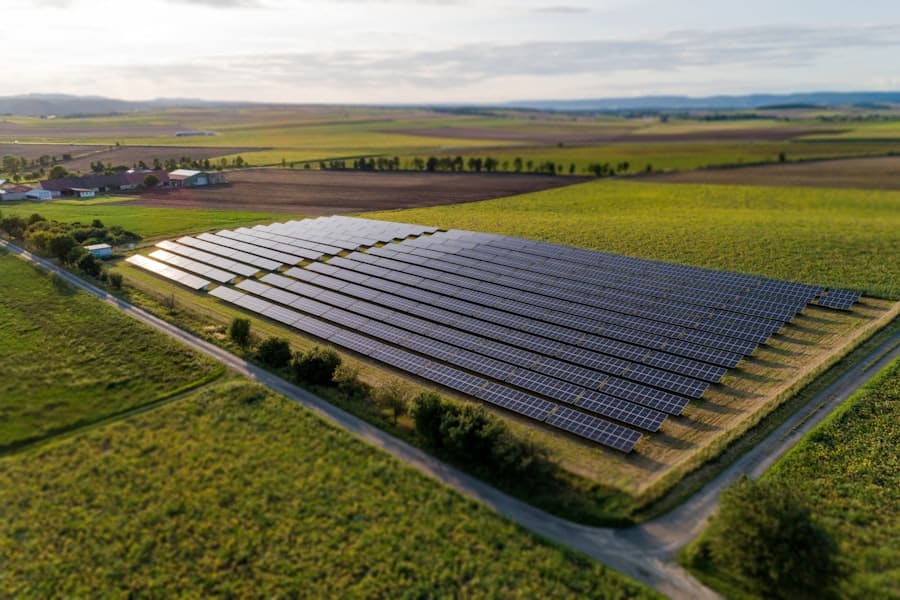
Solar power stands out as one of the most accessible and widely adopted forms of alternative energy in smart cities. You might be surprised to learn that solar panels can be installed on rooftops, parking lots, and even integrated into building materials. This versatility allows urban areas to harness sunlight efficiently without requiring vast tracts of land.
As you walk through a smart city, you may notice solar panels adorning buildings and public spaces, transforming them into energy-generating assets. The benefits of solar power extend beyond mere energy generation. You may find that solar installations can lead to significant cost savings for both municipalities and residents.
By reducing reliance on grid electricity, cities can lower their utility bills and redirect those funds toward other essential services. Furthermore, solar power systems often come with low maintenance costs and long lifespans, making them a financially sound investment for urban planners. As you consider the future of your city, envision a landscape where solar power is seamlessly integrated into everyday life.
Wind Energy and its Impact on Smart Cities
Wind energy is another cornerstone of alternative energy in smart cities. You may have seen wind turbines dotting the landscape in rural areas, but their potential in urban settings is equally promising. Urban wind turbines can be designed to fit into the architectural fabric of cities without compromising aesthetics or functionality.
As you explore these innovative designs, you might be inspired by how they harness natural wind currents to generate clean electricity. The impact of wind energy on smart cities goes beyond just power generation. By diversifying the energy mix with wind power, cities can enhance their resilience against climate-related disruptions.
You may appreciate how wind energy can complement other renewable sources like solar power, creating a balanced and reliable energy portfolio. Additionally, as technology advances, the efficiency and output of wind turbines continue to improve, making them an increasingly attractive option for urban planners looking to create sustainable environments.
The Integration of Hydroelectric Power in Smart Cities
Hydroelectric power has long been recognized as a reliable source of renewable energy, and its integration into smart cities presents unique opportunities. If you live near a river or waterway, you might be surprised to learn how hydroelectric systems can be adapted for urban settings. Small-scale hydroelectric plants can be installed in existing water infrastructure, providing clean energy without significant environmental disruption.
The benefits of hydroelectric power extend beyond energy generation; it also offers a means of flood control and water management. As you consider the challenges posed by climate change and extreme weather events, you may recognize the importance of integrating hydroelectric systems into urban planning. By managing water resources effectively while generating electricity, smart cities can create a more resilient infrastructure that benefits both residents and the environment.
Geothermal Energy and its Contribution to Smart Cities

Geothermal energy is often overlooked but holds immense potential for smart cities. You may not realize that beneath your feet lies a vast reservoir of heat that can be harnessed for various applications. Geothermal systems can provide heating and cooling for buildings while generating electricity through steam turbines.
As you delve deeper into this topic, you might find it fascinating how geothermal energy can contribute to reducing reliance on fossil fuels. The integration of geothermal systems into smart cities offers numerous advantages. For one, geothermal energy is incredibly efficient and has a small land footprint compared to other renewable sources.
You may appreciate how this makes it an ideal choice for densely populated urban areas where space is at a premium. Additionally, geothermal systems have low operational costs and can provide stable energy output year-round, making them a reliable component of a smart city’s energy strategy.
Biomass and Biofuels in Smart Cities
Biomass and biofuels represent another avenue for alternative energy in smart cities that you might find intriguing. These renewable resources are derived from organic materials such as agricultural waste, wood chips, and even municipal solid waste. By converting these materials into energy, cities can reduce landfill waste while generating clean power.
As you consider the circular economy concept, you may see how biomass fits seamlessly into this framework by turning waste into valuable resources. The benefits of biomass extend beyond waste reduction; they also contribute to local economies by creating jobs in collection, processing, and distribution. You might be surprised to learn that many smart cities are already implementing biomass programs to support their sustainability goals.
By investing in biofuel technologies for transportation and heating, these cities are taking significant steps toward reducing their carbon footprints while promoting economic growth.
The Importance of Energy Storage in Smart Cities
As you explore the landscape of alternative energy in smart cities, one critical aspect that cannot be overlooked is energy storage. With the intermittent nature of renewable sources like solar and wind power, effective storage solutions are essential for ensuring a reliable energy supply. You may find it fascinating how advancements in battery technology are paving the way for smarter energy management systems that can store excess energy generated during peak production times.
Energy storage systems allow smart cities to balance supply and demand effectively. When renewable sources produce more electricity than needed, excess power can be stored for later use during periods of high demand or low production. This capability not only enhances grid stability but also reduces reliance on fossil fuel backup systems.
As you consider the future of your city’s energy landscape, envision a system where energy storage plays a pivotal role in creating a resilient and sustainable urban environment.
Smart Grids and their Role in Alternative Energy Integration
Smart grids are revolutionizing how cities manage their energy resources by incorporating advanced technologies that facilitate real-time monitoring and control. You may have heard about smart meters that provide instant feedback on energy consumption; these are just one component of a broader smart grid ecosystem designed to optimize energy distribution and usage. As you delve deeper into this topic, you might appreciate how smart grids enable seamless integration of alternative energy sources into existing infrastructure.
The role of smart grids extends beyond mere efficiency; they empower consumers by providing them with data-driven insights into their energy usage patterns. You may find it empowering to have access to real-time information that allows you to make informed decisions about your consumption habits. Additionally, smart grids enhance grid resilience by enabling quick responses to outages or fluctuations in supply and demand.
As you envision the future of your city’s energy landscape, consider how smart grids will play an integral role in facilitating the transition to alternative energy sources.
The Future of Alternative Energy in Smart Cities
Looking ahead, the future of alternative energy in smart cities appears promising yet challenging. As you reflect on the rapid advancements in technology and growing awareness of climate issues, it becomes clear that there is an urgent need for continued investment in renewable resources. You may feel optimistic about the potential for innovation to drive down costs and improve efficiency across various alternative energy sectors.
However, challenges remain on the path toward widespread adoption of alternative energy solutions. Regulatory hurdles, funding limitations, and public perception can all impact progress. As an engaged citizen, your voice matters in advocating for policies that support sustainable practices within your community.
By staying informed about developments in alternative energy technologies and participating in local initiatives, you can contribute to shaping a brighter future for your city.
The Path Forward for Alternative Energy in Smart Cities
In conclusion, the integration of alternative energy into smart cities represents a transformative opportunity for urban environments worldwide. As you reflect on the myriad benefits—from reduced emissions to enhanced economic resilience—you may feel inspired by the potential for positive change within your community. The journey toward sustainable living requires collaboration among governments, businesses, and citizens alike.
As you consider your role in this movement toward smarter cities powered by alternative energy sources, remember that every action counts. Whether advocating for policy changes or adopting sustainable practices in your daily life, your contributions matter significantly in shaping a greener future. Together, we can pave the way for vibrant urban landscapes that prioritize sustainability while enhancing the quality of life for all residents.
In a related article titled Efficiency on the Clock: Maximizing Solar Energy’s Potential, the focus is on how to optimize the use of solar energy in smart cities. This article discusses strategies for increasing the efficiency of solar energy systems and maximizing their potential in urban environments. By implementing these strategies, cities can reduce their reliance on traditional energy sources and move towards a more sustainable future.
FAQs
What is alternative energy?
Alternative energy refers to any source of energy that is not derived from traditional fossil fuels, such as coal, oil, or natural gas. This can include renewable sources like solar, wind, hydroelectric, and geothermal energy, as well as other non-traditional sources such as biofuels and hydrogen.
What are smart cities?
Smart cities are urban areas that use technology and data to improve the efficiency of services and infrastructure, enhance the quality of life for residents, and reduce their environmental impact. This can include initiatives related to transportation, energy, waste management, and more.
How does alternative energy contribute to smart cities?
Alternative energy plays a key role in smart cities by providing clean, sustainable power for various applications. This can include powering public transportation systems, street lighting, buildings, and other infrastructure, as well as supporting energy-efficient technologies and reducing greenhouse gas emissions.
What are some examples of alternative energy initiatives in smart cities?
Some examples of alternative energy initiatives in smart cities include the installation of solar panels on public buildings, the use of wind turbines to generate electricity for streetlights, the implementation of electric vehicle charging stations, and the development of smart grid technologies to better manage energy distribution.
What are the benefits of integrating alternative energy into smart cities?
Integrating alternative energy into smart cities can lead to numerous benefits, including reduced air and water pollution, decreased reliance on finite fossil fuels, lower energy costs for residents and businesses, job creation in the renewable energy sector, and improved resilience to climate change and natural disasters.