
As you delve into the world of green energy, it becomes increasingly clear that its impact on wildlife is a multifaceted issue. On one hand, renewable energy sources such as wind, solar, and hydroelectric power are essential in combating climate change and reducing greenhouse gas emissions. However, the development of these energy sources can also pose significant risks to various wildlife species and their habitats.
For instance, wind turbines can be detrimental to birds and bats, leading to increased mortality rates. Similarly, solar farms can disrupt local ecosystems, affecting both flora and fauna. Understanding these impacts is crucial for creating a balanced approach to energy development that prioritizes both environmental sustainability and wildlife conservation.
Moreover, the transition to green energy is not just about the immediate effects on wildlife; it also encompasses long-term ecological changes. As you consider the implications of renewable energy projects, think about how they can alter migration patterns, breeding grounds, and food sources for various species. For example, the construction of large solar farms in previously untouched areas can lead to habitat fragmentation, making it difficult for animals to navigate their territories.
This disruption can have cascading effects on biodiversity, as species that rely on specific habitats may struggle to survive. Therefore, it is essential to assess the potential consequences of green energy initiatives on wildlife populations and ecosystems comprehensively.
Key Takeaways
- Green energy can have both positive and negative impacts on wildlife, and it is important to carefully consider these effects in the development and implementation of renewable energy projects.
- Balancing the needs of wildlife and renewable energy development requires collaboration and careful planning to minimize negative impacts on wildlife habitats and populations.
- Case studies have shown that successful integration of green energy and wildlife conservation is possible through strategic planning, technology, and collaboration between developers and conservationists.
- Technology plays a crucial role in mitigating the impact of renewable energy on wildlife, with innovations such as wildlife-friendly turbine designs and monitoring systems helping to reduce harm to wildlife.
- Collaboration between renewable energy developers and wildlife conservationists presents opportunities to create wildlife-friendly renewable energy projects that benefit both the environment and the economy.
Balancing the Needs of Wildlife and Renewable Energy Development
Finding a balance between the needs of wildlife and the demand for renewable energy is a complex challenge that requires careful consideration and planning. As you explore this topic, you may realize that it is not merely a matter of choosing one over the other; rather, it involves integrating both interests into a cohesive strategy. This means engaging with stakeholders from various sectors, including environmentalists, energy developers, and local communities, to create solutions that benefit all parties involved.
By fostering collaboration and open dialogue, you can help ensure that wildlife conservation is prioritized alongside renewable energy development. One effective approach to achieving this balance is through the implementation of strategic planning processes that take into account ecological assessments and wildlife corridors. By identifying critical habitats and migration routes before initiating energy projects, developers can minimize disruptions to wildlife populations.
Additionally, adaptive management practices can be employed to monitor the impacts of renewable energy installations on local ecosystems continuously. This proactive approach allows for adjustments to be made as needed, ensuring that both wildlife and energy needs are met in a sustainable manner.
Case Studies of Successful Integration of Green Energy and Wildlife Conservation
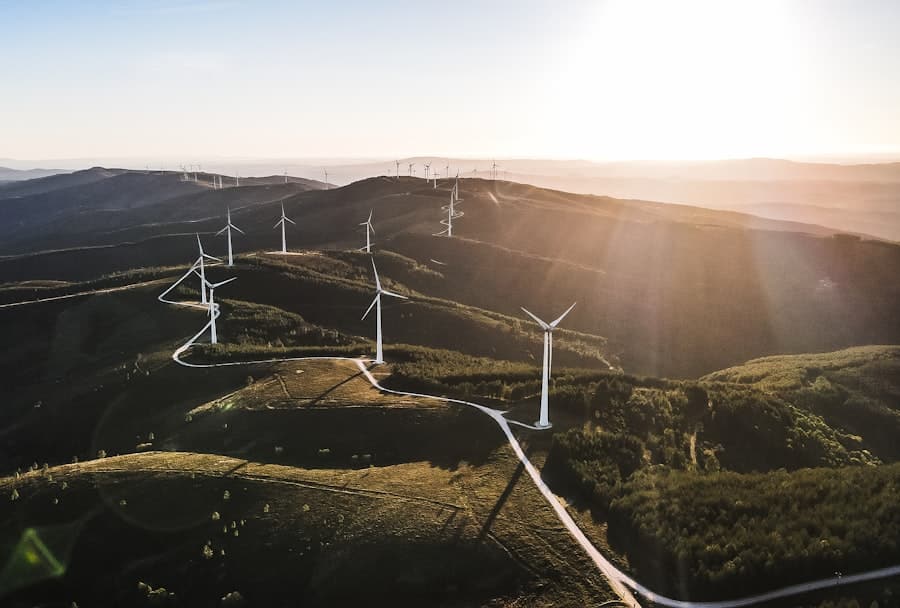
Examining case studies where green energy development has successfully integrated wildlife conservation can provide valuable insights into best practices. One notable example is the Altamont Pass Wind Farm in California, which has undergone significant modifications to reduce its impact on bird populations. After recognizing the high mortality rates among raptors in the area, developers implemented measures such as turbine redesigns and strategic siting to minimize risks.
This case illustrates how collaboration between energy companies and conservationists can lead to innovative solutions that protect wildlife while still harnessing renewable energy. Another compelling case is the development of solar farms in agricultural areas where dual land use is possible. In regions like the Midwest, farmers have begun incorporating solar panels into their fields while maintaining crop production.
This approach not only generates clean energy but also supports local wildlife by preserving habitats that would otherwise be lost to urbanization or monoculture farming practices. By showcasing these successful integrations, you can inspire further collaboration between renewable energy developers and wildlife conservationists, demonstrating that coexistence is possible.
The Role of Technology in Mitigating the Impact of Renewable Energy on Wildlife
Technology plays a pivotal role in mitigating the impact of renewable energy projects on wildlife. As you explore this aspect, consider how advancements in monitoring and data collection can inform better decision-making processes. For instance, the use of drones equipped with cameras and sensors allows researchers to survey large areas quickly and efficiently, identifying critical habitats and potential risks associated with new developments.
This technology enables developers to make informed choices about siting and design, ultimately reducing negative impacts on wildlife. Additionally, innovative solutions such as bird detection systems are being developed to prevent avian collisions with wind turbines. These systems use radar technology to detect approaching birds and temporarily shut down turbines when necessary.
By implementing such technologies, you can help ensure that renewable energy projects are designed with wildlife safety in mind. Furthermore, ongoing research into alternative turbine designs that are less harmful to birds and bats continues to evolve, showcasing the potential for technology to create a more harmonious relationship between green energy and wildlife conservation.
Opportunities for Collaboration between Renewable Energy Developers and Wildlife Conservationists
Collaboration between renewable energy developers and wildlife conservationists presents numerous opportunities for creating sustainable solutions that benefit both parties. As you consider this dynamic, think about how partnerships can lead to innovative strategies for minimizing environmental impacts while maximizing clean energy production. For example, joint initiatives can focus on habitat restoration projects that enhance local ecosystems while providing space for renewable energy installations.
By working together, both sectors can leverage their expertise to develop comprehensive plans that prioritize ecological health. Moreover, engaging local communities in these collaborative efforts can foster a sense of stewardship for both wildlife and renewable energy initiatives. When residents are involved in decision-making processes and understand the benefits of green energy projects, they are more likely to support conservation efforts as well.
Educational programs that highlight the importance of biodiversity alongside renewable energy development can empower individuals to take action in their own communities. By fostering collaboration at multiple levels—between developers, conservationists, and local stakeholders—you can help create a more sustainable future for both wildlife and renewable energy.
The Importance of Habitat Restoration in Conjunction with Green Energy Projects
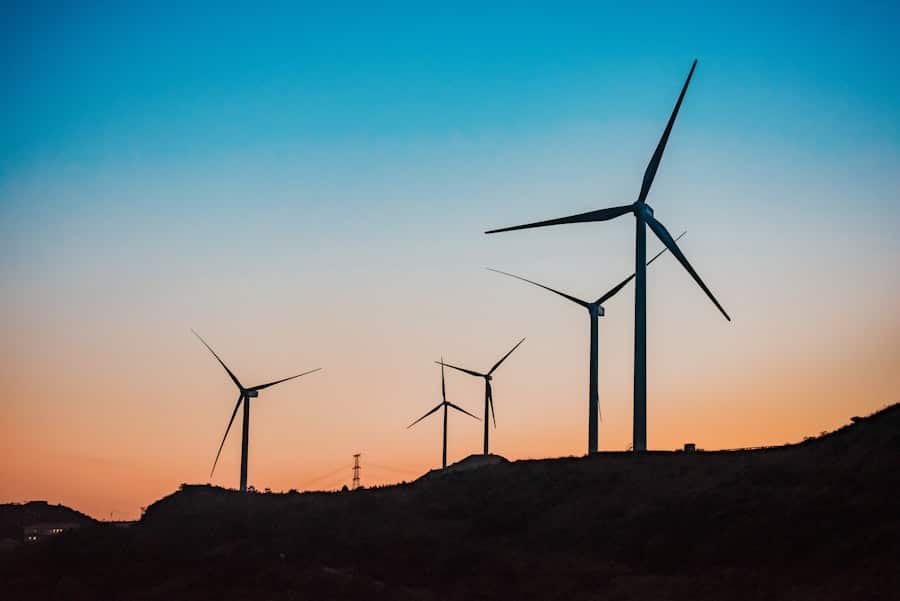
Habitat restoration is a critical component of any successful green energy project aimed at minimizing its impact on wildlife. As you explore this topic, consider how restoring degraded ecosystems can provide essential benefits for local flora and fauna while also supporting renewable energy initiatives. For instance, when solar farms are developed on previously disturbed land or brownfields, opportunities arise for restoring native vegetation and creating habitats for various species.
This dual approach not only mitigates environmental impacts but also enhances biodiversity in the area. Furthermore, habitat restoration efforts can serve as a valuable tool for offsetting any negative effects caused by renewable energy projects. By investing in restoration initiatives nearby or within affected ecosystems, developers can demonstrate their commitment to environmental stewardship while contributing positively to local wildlife populations.
This holistic approach ensures that green energy development does not occur in isolation but rather as part of a broader strategy aimed at promoting ecological health.
Best Practices for Wildlife-Friendly Renewable Energy Development
Implementing best practices for wildlife-friendly renewable energy development is essential for minimizing ecological impacts while advancing clean energy goals. As you consider these practices, think about the importance of conducting thorough environmental assessments before initiating any project. These assessments should include evaluations of local wildlife populations, critical habitats, and potential migration routes to inform siting decisions effectively.
By prioritizing ecological considerations from the outset, developers can significantly reduce risks to wildlife. In addition to pre-development assessments, ongoing monitoring during and after project implementation is crucial for ensuring compliance with wildlife protection measures. Establishing protocols for regular evaluations allows developers to identify any unforeseen impacts on local ecosystems promptly.
Moreover, engaging with conservation organizations throughout the project lifecycle fosters transparency and accountability while promoting adaptive management strategies that respond to changing conditions or emerging challenges.
The Potential Risks and Challenges of Green Energy for Wildlife
While green energy offers numerous benefits for combating climate change, it also presents potential risks and challenges for wildlife that must be addressed proactively. As you explore these concerns, consider how large-scale renewable energy projects can lead to habitat loss or fragmentation if not carefully planned. For instance, wind farms located in migratory bird pathways may result in increased mortality rates if appropriate mitigation measures are not implemented.
Additionally, the construction phase of renewable energy projects often involves significant land disturbance that can disrupt local ecosystems and displace wildlife populations. You may also encounter challenges related to public perception; some communities may resist renewable energy developments due to concerns about their impact on local wildlife or landscapes. Addressing these risks requires a commitment to transparency, stakeholder engagement, and ongoing research into best practices for minimizing ecological harm while advancing clean energy goals.
The Economic and Environmental Benefits of Wildlife-Friendly Renewable Energy
The economic and environmental benefits of wildlife-friendly renewable energy are substantial and far-reaching. As you consider these advantages, think about how investing in sustainable practices not only supports biodiversity but also enhances community resilience against climate change impacts. For instance, by prioritizing wildlife-friendly designs in renewable energy projects, developers can create jobs in habitat restoration and conservation efforts while simultaneously generating clean power.
Moreover, promoting biodiversity through responsible renewable energy development contributes to healthier ecosystems that provide essential services such as clean air and water filtration. These services ultimately benefit local communities by improving quality of life and supporting economic activities like tourism or agriculture. By highlighting these interconnected benefits, you can advocate for a more integrated approach to renewable energy development that recognizes the value of preserving wildlife alongside advancing clean energy initiatives.
The Role of Government Policies and Regulations in Promoting Wildlife-Friendly Green Energy
Government policies and regulations play a crucial role in promoting wildlife-friendly green energy development by establishing guidelines that prioritize ecological considerations alongside clean energy goals. As you explore this topic, consider how effective policies can incentivize developers to adopt best practices for minimizing impacts on wildlife while still meeting renewable energy targets. For example, regulations requiring comprehensive environmental assessments before project approval ensure that potential risks are identified early in the planning process.
Additionally, government support for research initiatives focused on innovative technologies aimed at reducing wildlife impacts can drive progress toward more sustainable solutions within the renewable energy sector. By fostering collaboration between government agencies, conservation organizations, and industry stakeholders, policymakers can create an environment conducive to responsible development practices that benefit both wildlife and clean energy objectives.
Future Trends and Innovations in Green Energy and Wildlife Conservation
As you look toward the future of green energy and wildlife conservation, several trends and innovations are emerging that hold promise for enhancing coexistence between these two critical areas. One notable trend is the increasing focus on community-based renewable energy projects that prioritize local input and ecological considerations from the outset. By involving communities in decision-making processes regarding siting and design choices, developers can create projects that align with both clean energy goals and conservation priorities.
Furthermore, advancements in technology continue to pave the way for more sustainable practices within the renewable energy sector. Innovations such as floating solar panels or offshore wind farms offer opportunities for minimizing land use impacts while harnessing clean power from underutilized spaces. As these trends evolve alongside ongoing research into best practices for protecting wildlife populations during project implementation, you can remain optimistic about the potential for harmonious coexistence between green energy development and wildlife conservation efforts moving forward.
In conclusion, navigating the intersection of green energy development and wildlife conservation requires a multifaceted approach that prioritizes collaboration among stakeholders while embracing innovative solutions aimed at minimizing ecological impacts. By understanding both the challenges posed by renewable energy projects as well as their potential benefits when implemented responsibly—such as habitat restoration initiatives or community engagement efforts—you can contribute meaningfully toward creating a sustainable future where clean power generation coexists harmoniously with thriving ecosystems.
A related article to Green Energy and Wildlife: Creating Harmony with Nature can be found at How Can Artistic and Cultural Approaches be Integrated into Promoting Solar Energy Time Management Awareness and Adoption. This article explores the integration of artistic and cultural approaches in promoting solar energy adoption, highlighting the importance of creativity and community engagement in sustainable energy solutions.
FAQs
What is green energy?
Green energy refers to energy that is produced from renewable sources, such as wind, solar, hydro, and geothermal power. These sources of energy are considered environmentally friendly because they have a lower impact on the environment compared to traditional fossil fuels.
How does green energy impact wildlife?
Green energy can have both positive and negative impacts on wildlife. For example, wind turbines can pose a threat to birds and bats, while solar farms can disrupt natural habitats. However, when properly planned and managed, green energy projects can coexist with wildlife and even provide new habitats for certain species.
What are some examples of green energy projects that benefit wildlife?
Some examples of green energy projects that benefit wildlife include the construction of wildlife-friendly wind turbines, the installation of fish-friendly hydroelectric turbines, and the creation of wildlife corridors and habitat restoration around solar farms and other renewable energy facilities.
How can green energy and wildlife coexist harmoniously?
Green energy and wildlife can coexist harmoniously through careful planning, site selection, and mitigation measures. This can include conducting thorough environmental impact assessments, implementing wildlife-friendly design features, and collaborating with conservation organizations to minimize the impact on wildlife.
What are some potential solutions to mitigate the impact of green energy on wildlife?
Potential solutions to mitigate the impact of green energy on wildlife include using advanced technology to reduce the risk of bird and bat collisions with wind turbines, implementing wildlife-friendly design features in solar farms and hydroelectric facilities, and establishing protected areas and wildlife corridors around renewable energy sites.