
As the world grapples with the pressing challenges of climate change and energy security, solar energy has emerged as a beacon of hope. You may find yourself increasingly aware of the role that solar energy policies play in shaping the future of renewable energy. These policies are not merely bureaucratic measures; they are essential frameworks that guide the development, implementation, and expansion of solar energy technologies.
By understanding these policies, you can appreciate how they influence everything from individual household installations to large-scale solar farms. Solar energy policies encompass a wide range of regulations, incentives, and programs designed to promote the use of solar power. They can vary significantly from one region to another, reflecting local resources, economic conditions, and political will.
As you delve deeper into this topic, you will discover how these policies can drive innovation, create jobs, and contribute to a sustainable energy future. The importance of solar energy policies cannot be overstated; they are crucial for transitioning to a low-carbon economy and achieving global climate goals.
Key Takeaways
- Solar energy policies play a crucial role in promoting the adoption of solar energy and reducing reliance on fossil fuels.
- Europe has been a leader in implementing ambitious solar energy policies, including feed-in tariffs and renewable energy targets.
- The United States has a patchwork of solar energy policies, with some states offering generous incentives and others lagging behind.
- Asia is experiencing rapid growth in solar energy, with countries like China and India implementing large-scale solar projects and supportive policies.
- Incentives and subsidies, such as tax credits and net metering, are essential for making solar energy more affordable and attractive to consumers.
Solar Energy Policies in Europe
In Europe, solar energy policies have gained significant traction over the past two decades. You might be surprised to learn that countries like Germany and Spain were pioneers in implementing comprehensive solar energy policies. Germany’s feed-in tariff system, introduced in 2000, guaranteed fixed payments for solar energy producers, which spurred rapid growth in the sector.
This policy not only encouraged investment but also made solar energy accessible to a broader audience, including homeowners and small businesses. As you explore the European landscape further, you’ll find that the European Union has set ambitious renewable energy targets as part of its Green Deal. The EU aims to achieve at least 40% of its energy from renewable sources by 2030.
This overarching goal has led to various national policies that support solar energy development, such as tax incentives, grants, and streamlined permitting processes. Countries like France and Italy have also adopted similar measures, fostering a competitive environment for solar technology and innovation.
Solar Energy Policies in the United States
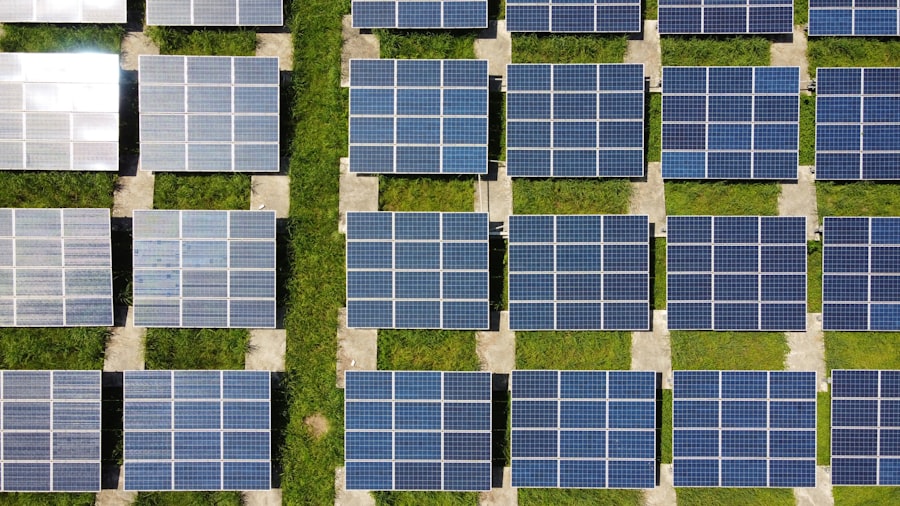
Turning your attention to the United States, you will notice a complex patchwork of solar energy policies at both federal and state levels. The federal government has implemented several initiatives, such as the Investment Tax Credit (ITC), which allows homeowners and businesses to deduct a significant percentage of their solar installation costs from their federal taxes. This incentive has been instrumental in driving solar adoption across the country.
However, state-level policies often play an even more critical role in shaping the solar landscape. You may find it interesting that states like California have set ambitious renewable energy goals and have implemented net metering policies that allow homeowners to sell excess electricity back to the grid. This not only incentivizes solar adoption but also promotes energy independence.
Yet, as you explore further, you’ll discover that some states have taken a more cautious approach, leading to disparities in solar adoption rates across the nation.
Solar Energy Policies in Asia
Asia is home to some of the world’s largest solar markets, with countries like China and India leading the charge. You might be intrigued by China’s aggressive push for solar energy through its national policies and initiatives. The Chinese government has invested heavily in solar manufacturing and installation, making it a global leader in both production and deployment.
Policies such as subsidies for solar panel manufacturers and ambitious installation targets have propelled China to the forefront of the solar revolution. In India, you will find a different yet equally compelling approach to solar energy policy. The Indian government has set a target of achieving 100 GW of solar capacity by 2022 as part of its National Solar Mission.
This ambitious goal is supported by various incentives, including tax breaks and financial assistance for solar projects. As you explore India’s efforts, you’ll see how these policies aim not only to increase renewable energy capacity but also to provide affordable electricity to millions of people who currently lack access.
Incentives and Subsidies for Solar Energy
Incentives and subsidies are critical components of effective solar energy policies. You may be surprised to learn that these financial mechanisms can significantly reduce the upfront costs associated with solar installations. For instance, many governments offer tax credits or rebates that can cover a substantial portion of installation expenses.
This makes solar energy more accessible to homeowners and businesses alike. Moreover, you will find that various financing options have emerged to support solar adoption. Power Purchase Agreements (PPAs) allow consumers to install solar panels with little or no upfront cost while paying for the electricity generated over time.
This model has gained popularity in both residential and commercial sectors, enabling more people to benefit from solar energy without the burden of high initial investments. As you consider these incentives, it’s clear that they play a vital role in accelerating the transition to renewable energy.
Regulatory Framework for Solar Energy

A robust regulatory framework is essential for fostering a conducive environment for solar energy development. You may find it fascinating how regulations can either facilitate or hinder progress in this sector. For instance, streamlined permitting processes can significantly reduce the time it takes to install solar systems, making it easier for consumers to adopt this technology.
Conversely, overly complex regulations can create barriers that discourage investment. As you delve deeper into this topic, you’ll discover that regulatory frameworks also encompass grid integration policies. These regulations determine how solar energy is connected to the existing power grid and how excess electricity is managed.
You might be interested to learn about net metering policies that allow consumers to receive credit for surplus electricity generated by their solar systems. Such frameworks not only promote solar adoption but also enhance grid resilience by diversifying energy sources.
Challenges and Barriers to Solar Energy Adoption
Despite the numerous benefits of solar energy, several challenges and barriers persist in its widespread adoption. You may encounter issues such as high initial costs, regulatory hurdles, and limited access to financing options that can deter potential adopters. For many homeowners and small businesses, the upfront investment required for solar installations remains a significant obstacle.
Additionally, you will find that public perception plays a crucial role in shaping solar energy adoption rates. Misconceptions about the reliability and efficiency of solar technology can hinder acceptance among consumers. Furthermore, regional disparities in policy support can create uneven playing fields where some areas thrive while others lag behind in solar adoption.
As you reflect on these challenges, it becomes evident that addressing them is essential for unlocking the full potential of solar energy.
Impact of Solar Energy Policies on Economic Development
The impact of solar energy policies extends far beyond environmental benefits; they also play a significant role in economic development. You may be surprised to learn that the growth of the solar industry has created millions of jobs worldwide. From manufacturing and installation to maintenance and research, the demand for skilled workers in this sector continues to rise.
Moreover, as you explore the economic implications further, you’ll discover that investments in solar energy can stimulate local economies. Communities that embrace solar technology often see increased property values and reduced energy costs for residents and businesses alike. Additionally, by diversifying their energy sources, regions can enhance their resilience against price fluctuations in fossil fuels.
This multifaceted impact underscores the importance of supportive solar energy policies in driving sustainable economic growth.
Case Studies of Successful Solar Energy Policies
Examining case studies of successful solar energy policies can provide valuable insights into best practices and effective strategies. You might find it enlightening to look at Germany’s Energiewende initiative, which aims to transition the country toward renewable energy sources while phasing out nuclear power. This ambitious policy framework has led to significant investments in solar technology and has positioned Germany as a global leader in renewable energy.
Another compelling case study is California’s Solar Initiative, which has successfully increased residential solar installations through a combination of incentives and regulatory support. By creating a favorable environment for solar adoption, California has become a model for other states looking to expand their renewable energy portfolios. As you analyze these examples, you’ll gain a deeper understanding of how targeted policies can drive meaningful change in the renewable energy landscape.
Lessons Learned from Different Solar Energy Policies
As you reflect on various solar energy policies around the world, several key lessons emerge that can inform future efforts. One important takeaway is the need for comprehensive policy frameworks that address multiple aspects of solar development—from financing and incentives to grid integration and public awareness campaigns. A holistic approach ensures that all stakeholders are engaged and that barriers are systematically addressed.
Additionally, you may find it crucial to recognize the importance of public engagement in shaping effective policies. Successful initiatives often involve collaboration between governments, industry stakeholders, and communities to build trust and foster acceptance of solar technologies. By learning from both successes and failures in different regions, policymakers can craft more effective strategies that resonate with their unique contexts.
Future Trends in Solar Energy Policies
Looking ahead, you will likely observe several emerging trends in solar energy policies that could shape the future landscape of renewable energy. One notable trend is the increasing emphasis on decentralized energy systems that empower individuals and communities to generate their own electricity through rooftop installations or community solar projects. This shift toward localized energy production could enhance resilience while reducing reliance on centralized power grids.
Moreover, as technology continues to evolve, you may find that innovations such as battery storage solutions will play a pivotal role in enhancing the reliability of solar power systems. Policymakers are beginning to recognize the importance of integrating storage solutions into their frameworks to address intermittency issues associated with renewable energy sources. In conclusion, as you navigate through the complexities of solar energy policies worldwide, it becomes clear that these frameworks are essential for driving sustainable development and addressing climate change challenges.
By understanding the nuances of these policies across different regions—Europe, the United States, Asia—you can appreciate their impact on economic growth and environmental sustainability while recognizing the challenges that still lie ahead.
In a recent article titled “The Solar Energy Clock: A Blueprint for a Green Future,” the importance of implementing time-managed solar energy frameworks is discussed in relation to global policies. This article provides valuable insights into how countries can effectively utilize solar energy while minimizing environmental impact. To learn more about strategies for mitigating the environmental impact of solar panel production and disposal, check out this related article.
FAQs
What are some common solar energy policies implemented around the world?
Some common solar energy policies implemented around the world include feed-in tariffs, net metering, tax incentives, renewable energy targets, and solar energy rebates.
What is a feed-in tariff?
A feed-in tariff is a policy that allows individuals or businesses to sell excess solar energy they generate back to the grid at a predetermined rate, providing a financial incentive for solar energy production.
What is net metering?
Net metering is a policy that allows solar energy system owners to receive credit for the excess electricity they generate and send back to the grid. This credit can be used to offset the electricity they consume from the grid when their solar panels are not producing enough energy.
What are some examples of countries with successful solar energy policies?
Germany, Australia, and the United States are examples of countries with successful solar energy policies. Germany’s feed-in tariff system has led to significant growth in solar energy production, while Australia’s renewable energy target has encouraged investment in solar energy. In the United States, various states have implemented successful net metering and tax incentive programs.
What are some challenges associated with implementing solar energy policies?
Challenges associated with implementing solar energy policies include the initial cost of solar energy systems, grid integration issues, and the need for supportive regulatory frameworks. Additionally, political and economic factors can impact the success of solar energy policies.