
Energy poverty is a pressing issue that affects millions of people worldwide, particularly in developing regions. You may not realize it, but energy poverty goes beyond mere inconvenience; it can severely limit access to essential services such as healthcare, education, and economic opportunities. When you consider that nearly 800 million people lack access to electricity, the implications become stark.
Without reliable energy sources, communities struggle to improve their living conditions, perpetuating cycles of poverty and limiting their potential for growth. The consequences of energy poverty are multifaceted. You might find it surprising that inadequate energy access can lead to health risks, as many rely on traditional biomass for cooking and heating, which contributes to indoor air pollution.
This pollution is responsible for respiratory diseases and other health complications, particularly among women and children. Furthermore, the lack of electricity hampers educational opportunities; students often study by candlelight or not at all, which stifles their academic progress and future prospects. In essence, energy poverty is not just an issue of energy access; it is a barrier to development that affects every aspect of life.
Key Takeaways
- Energy poverty has a significant impact on communities, affecting health, education, and economic development.
- Solar energy plays a crucial role in alleviating energy poverty by providing clean and sustainable power to off-grid communities.
- Off-grid communities can benefit from solar energy solutions, which can provide reliable electricity for lighting, cooking, and powering essential appliances.
- Empowering communities through solar energy can lead to improved livelihoods, increased productivity, and enhanced quality of life.
- Solar energy brings economic benefits to energy-poor areas, creating job opportunities, reducing energy costs, and stimulating local economic growth.
The Role of Solar Energy in Alleviating Energy Poverty
Solar energy presents a viable solution to the challenges posed by energy poverty. As you explore the potential of solar power, you will discover that it is abundant, renewable, and increasingly affordable. Unlike fossil fuels, which are often subject to price volatility and geopolitical tensions, solar energy harnesses the sun’s rays, providing a sustainable source of power that can be accessed almost anywhere.
This characteristic makes solar energy particularly appealing for remote and off-grid communities that lack traditional energy infrastructure. Moreover, solar energy systems can be deployed quickly and at various scales, from small household units to larger community solar farms. This flexibility allows you to tailor solutions to meet the specific needs of different communities.
For instance, in areas where grid extension is economically unfeasible, solar microgrids can provide reliable electricity for homes, schools, and healthcare facilities. By investing in solar energy, you can help break the cycle of energy poverty and empower communities to take charge of their energy needs.
Solar Energy Solutions for Off-Grid Communities

When considering solar energy solutions for off-grid communities, you will find a range of options that cater to diverse needs and circumstances. One popular approach is the installation of solar home systems (SHS), which typically consist of solar panels, batteries, and inverters. These systems allow households to generate their own electricity for lighting, cooking, and powering small appliances.
By providing a reliable source of energy, SHS can significantly improve the quality of life for families living in energy-poor conditions. In addition to SHS, community solar projects are gaining traction as a means to provide collective benefits to larger groups. These projects enable multiple households to share the costs and benefits of a larger solar installation.
You may find that community solar initiatives foster collaboration among residents, encouraging them to work together toward a common goal while also reducing individual financial burdens. This collective approach not only enhances energy access but also strengthens social ties within communities.
Empowering Communities through Solar Energy
Empowering communities through solar energy goes beyond merely providing access to electricity; it involves fostering a sense of ownership and agency among residents. When you introduce solar solutions in energy-poor areas, you create opportunities for local involvement in the planning, installation, and maintenance of these systems. This participatory approach ensures that the solutions are tailored to the specific needs and preferences of the community.
Furthermore, as communities gain access to reliable electricity, they can leverage this newfound power to drive local economic development. You might witness small businesses emerging as entrepreneurs harness solar energy to power their operations. From food vendors using solar-powered refrigeration to artisans utilizing electric tools for their crafts, the possibilities are endless.
By empowering communities with solar energy, you enable them to take control of their economic futures and improve their overall quality of life.
The Economic Benefits of Solar Energy for Energy-Poor Areas
The economic benefits of solar energy in energy-poor areas are substantial and multifaceted. As you delve into this topic, you will discover that investing in solar infrastructure can lead to job creation in various sectors, including manufacturing, installation, and maintenance. These jobs not only provide income for individuals but also stimulate local economies by increasing purchasing power and fostering entrepreneurship.
Moreover, the cost savings associated with solar energy can be transformative for low-income households. By reducing or eliminating monthly electricity bills, families can allocate their limited resources toward other essential needs such as food, education, and healthcare. You may find it compelling that studies have shown that households with access to solar energy experience improved financial stability and resilience against economic shocks.
In this way, solar energy serves as a catalyst for broader economic development in energy-poor regions.
Government Initiatives and Policies to Promote Solar Energy Adoption
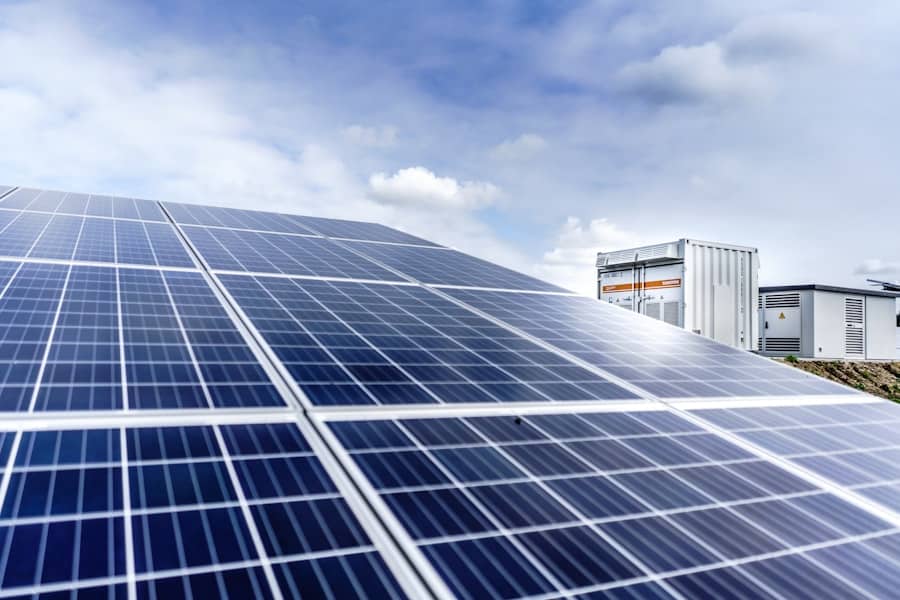
Governments play a crucial role in promoting solar energy adoption through various initiatives and policies. As you explore this landscape, you will find that many countries have implemented incentives such as tax credits, grants, and subsidies to encourage both individuals and businesses to invest in solar technology. These financial incentives can significantly lower the upfront costs associated with solar installations, making them more accessible to low-income households.
In addition to financial incentives, regulatory frameworks are essential for creating an enabling environment for solar energy growth. You may notice that some governments have established feed-in tariffs or net metering policies that allow individuals with solar systems to sell excess electricity back to the grid. Such policies not only incentivize investment in renewable energy but also promote community engagement in sustainable practices.
By supporting these initiatives, governments can help pave the way for a more equitable transition to clean energy.
Innovations in Solar Technology for Energy-Poor Regions
Innovations in solar technology are continually evolving to address the unique challenges faced by energy-poor regions. As you examine these advancements, you will find that new developments focus on improving efficiency, affordability, and accessibility. For instance, advancements in photovoltaic (PV) technology have led to the creation of lightweight and flexible solar panels that can be easily transported and installed in remote areas.
Additionally, battery storage technology has made significant strides in recent years. You may be intrigued by how modern batteries can store excess solar energy generated during the day for use at night or during cloudy weather. This capability is particularly beneficial for off-grid communities that rely on consistent power supply for daily activities.
By harnessing these innovations, you can help ensure that solar energy solutions are not only effective but also sustainable in the long term.
Overcoming Challenges in Implementing Solar Energy Solutions
While the potential benefits of solar energy are immense, implementing these solutions in energy-poor areas is not without its challenges. One significant hurdle is the lack of infrastructure and technical expertise required for installation and maintenance. You may find that many remote communities lack access to skilled labor or resources necessary for setting up solar systems effectively.
Moreover, financing remains a critical barrier for many households considering solar investments. Although government incentives exist, you might discover that navigating the complexities of financing options can be daunting for low-income families. To overcome these challenges, it is essential to develop targeted training programs that equip local residents with the skills needed for installation and maintenance while also simplifying financing mechanisms to make them more accessible.
Case Studies of Successful Solar Energy Projects in Energy-Poor Areas
Examining case studies of successful solar energy projects can provide valuable insights into effective strategies for addressing energy poverty. For instance, you may come across initiatives like Solar Sister in Africa, which empowers women entrepreneurs by providing them with training and resources to sell solar products within their communities. This model not only increases access to clean energy but also promotes gender equality and economic empowerment.
Another compelling example is the Barefoot College in India, which trains women from rural areas to become solar engineers. By equipping these women with technical skills, the college has successfully established numerous solar electrification projects across India and beyond. These case studies illustrate how community-driven approaches can lead to sustainable solutions while fostering local leadership and resilience.
Partnerships and Collaborations to Expand Solar Energy Access
Partnerships and collaborations are vital for expanding solar energy access in energy-poor regions. As you explore this topic further, you will find that successful initiatives often involve a diverse range of stakeholders, including governments, non-governmental organizations (NGOs), private companies, and local communities. By working together, these entities can pool resources and expertise to create comprehensive solutions tailored to specific contexts.
For instance, public-private partnerships can facilitate investment in solar infrastructure while ensuring that projects align with community needs. You may also notice that collaborations between NGOs and local governments can enhance outreach efforts and promote awareness about the benefits of solar energy adoption. By fostering these partnerships, you can help create a more inclusive approach to addressing energy poverty through sustainable solutions.
The Future of Solar Energy in Alleviating Energy Poverty
Looking ahead, the future of solar energy in alleviating energy poverty appears promising yet requires continued commitment from all stakeholders involved. As technology advances and costs decrease further, you may witness an increasing number of communities gaining access to clean and reliable electricity through solar solutions. The potential for innovation remains vast; emerging technologies such as floating solar farms or building-integrated photovoltaics could revolutionize how we harness sunlight.
Moreover, as global awareness about climate change grows stronger, there is an opportunity for integrating social justice into renewable energy discussions. You might find it inspiring that movements advocating for equitable access to clean energy are gaining momentum worldwide. By prioritizing inclusivity in renewable energy policies and practices, we can ensure that no one is left behind in the transition toward a sustainable future.
In conclusion, addressing energy poverty through solar energy solutions presents an opportunity not only to improve lives but also to foster economic development and social equity. As you reflect on this journey toward a more sustainable future powered by the sun’s rays, remember that your involvement—whether through advocacy or action—can make a significant difference in the lives of those affected by energy poverty around the globe.
A related article to “How Solar Energy Is Helping to Alleviate Energy Poverty” is “Solar Energy’s Daily Rhythm: Timing for a Sustainable Lifestyle.” This article explores the daily rhythm of solar energy and how it can be harnessed to create a more sustainable lifestyle. To read more about this topic, visit here.
FAQs
What is energy poverty?
Energy poverty refers to the lack of access to modern energy services, such as electricity and clean cooking facilities, which can have a significant impact on people’s health, education, and economic opportunities.
How is solar energy helping to alleviate energy poverty?
Solar energy is helping to alleviate energy poverty by providing a clean, sustainable, and affordable source of electricity to communities that lack access to the power grid. Solar panels can be installed in remote areas to generate electricity for lighting, heating, and powering essential appliances.
What are the benefits of using solar energy to alleviate energy poverty?
Using solar energy to alleviate energy poverty has several benefits, including reducing reliance on fossil fuels, improving air quality, creating local job opportunities, and empowering communities to become more self-sufficient and resilient.
What are some examples of solar energy initiatives aimed at alleviating energy poverty?
There are various solar energy initiatives aimed at alleviating energy poverty, such as the installation of solar microgrids in rural villages, the distribution of solar lanterns to off-grid communities, and the implementation of solar-powered water pumps for irrigation and clean drinking water.
What are the challenges of using solar energy to alleviate energy poverty?
Some of the challenges of using solar energy to alleviate energy poverty include the high upfront costs of solar equipment, the need for technical expertise to install and maintain solar systems, and the variability of solar energy production depending on weather conditions.