
Solar energy is the radiant light and heat that is emitted by the sun, harnessed through various technologies to generate electricity or heat. As a renewable energy source, it stands out for its abundance and sustainability, offering a clean alternative to fossil fuels. You may find it fascinating that the sun produces enough energy in just one hour to power the entire world for a year.
This immense potential makes solar energy a key player in the global shift towards sustainable energy solutions. In essence, solar energy can be captured and converted into usable forms through solar panels, solar thermal systems, and other technologies. By tapping into this natural resource, you can reduce your reliance on non-renewable energy sources, lower your carbon footprint, and contribute to a more sustainable future.
The growing interest in solar energy reflects a broader awareness of environmental issues and the need for cleaner energy solutions.
Key Takeaways
- Solar energy is the conversion of sunlight into electricity using photovoltaic cells or the use of sunlight to heat water or air for use in buildings or industrial processes.
- Solar energy works by capturing sunlight and converting it into electricity through photovoltaic cells, or by using solar thermal systems to heat water or air.
- The history of solar energy dates back to the 7th century B.C. when magnifying glasses were used to concentrate the sun’s rays to start fires.
- There are two main types of solar energy systems: photovoltaic systems that convert sunlight into electricity, and solar thermal systems that use sunlight to heat water or air.
- The benefits of solar energy include reduced electricity bills, lower carbon footprint, energy independence, and potential financial incentives.
How Does Solar Energy Work?
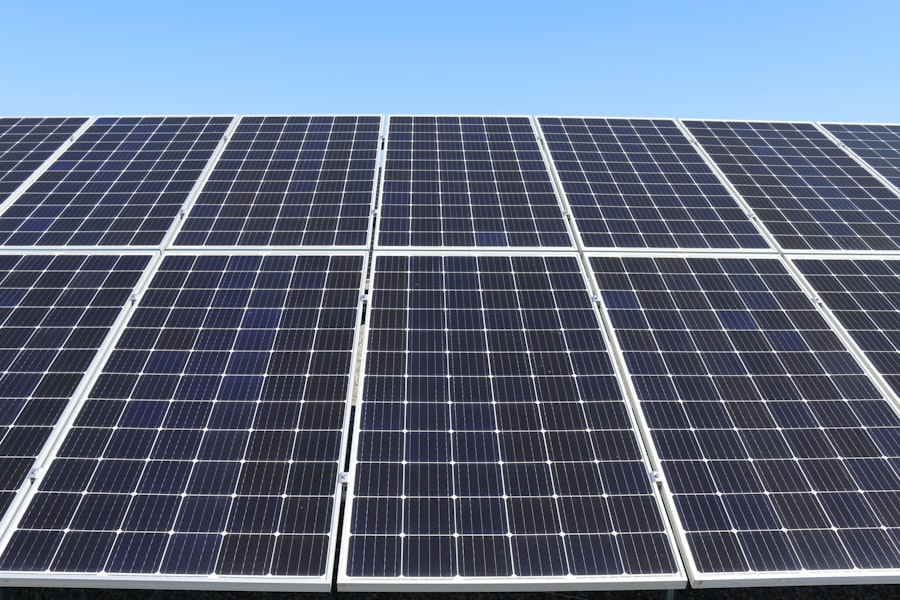
The process of converting sunlight into usable energy involves several steps, primarily through photovoltaic (PV) cells or solar thermal systems. When sunlight hits a PV cell, it excites electrons, creating an electric current. This current can then be harnessed to power your home or business.
You might be surprised to learn that even on cloudy days, solar panels can still generate electricity, albeit at reduced efficiency. Solar thermal systems operate differently by using sunlight to heat a fluid, which can then be used for heating water or generating steam to drive turbines for electricity production. This method is particularly effective in residential settings for heating water for domestic use.
Understanding these mechanisms can help you appreciate the versatility and efficiency of solar energy systems.
The History of Solar Energy
The concept of harnessing solar energy dates back thousands of years. Ancient civilizations utilized sunlight for various purposes, such as drying food and warming their homes. However, the modern era of solar energy began in the 19th century with the invention of the photovoltaic cell by French physicist Edmond Becquerel in 1839.
This groundbreaking discovery laid the foundation for future advancements in solar technology. As you delve deeper into the history of solar energy, you’ll find that significant progress was made throughout the 20th century. The oil crisis of the 1970s sparked renewed interest in alternative energy sources, leading to increased research and development in solar technologies.
Today, solar energy has evolved into a sophisticated industry, with innovations continually improving efficiency and affordability.
Types of Solar Energy Systems
When considering solar energy systems, you have several options to choose from, each tailored to different needs and applications. The most common type is the grid-tied solar system, which connects directly to the electrical grid. This setup allows you to draw power from the grid when your solar panels aren’t producing enough electricity, ensuring a consistent power supply.
Another option is the off-grid solar system, ideal for remote locations where grid access is limited or nonexistent. These systems typically include battery storage to ensure you have power even when sunlight isn’t available. Additionally, hybrid systems combine both grid-tied and off-grid features, offering flexibility and reliability.
Understanding these different types can help you make an informed decision based on your specific energy needs.
Benefits of Solar Energy
The benefits of solar energy are numerous and compelling. One of the most significant advantages is its potential to reduce your electricity bills. By generating your own power, you can significantly lower your monthly expenses and even eliminate them altogether in some cases.
This financial incentive is often a primary motivator for individuals and businesses considering solar installations. Moreover, solar energy contributes to environmental sustainability by reducing greenhouse gas emissions and reliance on fossil fuels. By choosing solar power, you are actively participating in the fight against climate change and promoting cleaner air quality.
Additionally, many regions offer incentives and rebates for installing solar panels, making it an even more attractive option for homeowners and businesses alike.
Considerations for Installing Solar Panels
Evaluate Your Location’s Sunlight
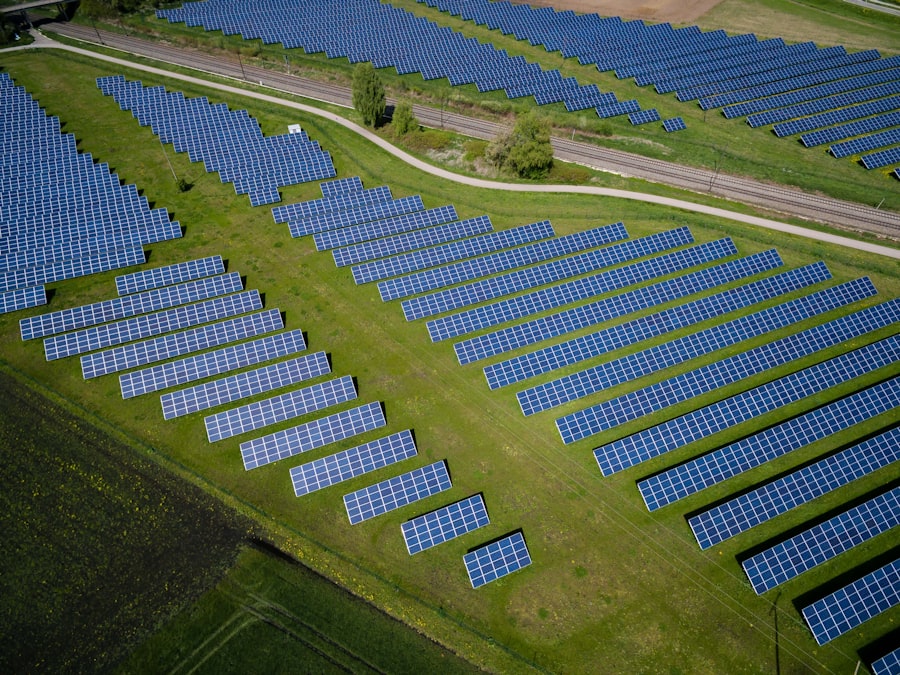
The amount of sunlight your location receives plays a significant role in the effectiveness of your solar panels. Areas with ample sunshine will yield better results than those with frequent cloud cover or shading from trees and buildings.
Assess Your Energy Consumption Patterns
Understanding your average energy consumption is crucial in sizing your solar system appropriately. This will help you determine how much electricity you need to generate to meet your energy needs.
Explore Financing Options
While the upfront costs of solar installations can be a barrier for some homeowners, researching financing alternatives can help make the transition to solar energy more accessible. By carefully considering these factors, you can make an informed decision that aligns with your energy goals.
Solar Energy and the Environment
Solar energy is often hailed as one of the most environmentally friendly energy sources available today. By harnessing sunlight instead of fossil fuels, you contribute to a significant reduction in carbon emissions and other pollutants that harm our planet. This shift not only helps combat climate change but also promotes cleaner air and water quality.
Additionally, solar energy systems have a relatively low environmental impact compared to traditional energy sources. While there are concerns about the manufacturing process of solar panels and their disposal at the end of their life cycle, advancements in technology are continually addressing these issues. By choosing solar energy, you are making a conscious choice to support sustainable practices that benefit both current and future generations.
Solar Energy Incentives and Rebates
To encourage the adoption of solar energy, many governments and organizations offer various incentives and rebates for those who install solar panels. These financial incentives can significantly reduce the initial costs associated with purchasing and installing a solar system. For instance, federal tax credits allow you to deduct a percentage of your installation costs from your federal taxes.
In addition to federal incentives, many states and local governments provide their own programs aimed at promoting renewable energy adoption. These may include grants, rebates, or performance-based incentives that reward you for generating clean energy. Researching available incentives in your area can help you maximize your savings while transitioning to solar power.
Solar Energy Storage Solutions
As you consider adopting solar energy, it’s essential to think about how you’ll store the electricity generated by your system. Solar energy storage solutions have become increasingly popular as they allow you to store excess power generated during sunny days for use during cloudy periods or at night. Battery storage systems are the most common solution, providing a reliable way to ensure you have access to electricity when you need it.
Modern battery technologies have improved significantly over the years, offering higher capacities and longer lifespans than ever before. By investing in a storage solution, you can enhance your energy independence and reduce reliance on the grid even further. This added layer of security makes solar energy an even more appealing option for homeowners looking to maximize their investment.
Common Myths and Misconceptions about Solar Energy
Despite its growing popularity, several myths and misconceptions about solar energy persist in public discourse. One common myth is that solar panels only work in sunny climates; however, as mentioned earlier, they can still generate electricity on cloudy days or in less-than-ideal conditions. This misconception often deters potential users from considering solar as a viable option.
Another prevalent myth is that installing solar panels is prohibitively expensive and not worth the investment. While initial costs can be significant, various financing options and incentives make it more accessible than ever before. Additionally, the long-term savings on electricity bills often outweigh these upfront costs over time.
By dispelling these myths, you can better understand the true potential of solar energy.
The Future of Solar Energy
Looking ahead, the future of solar energy appears bright as technological advancements continue to emerge at an impressive pace. Innovations in photovoltaic materials are leading to more efficient panels that can generate more electricity from less sunlight. Furthermore, developments in battery storage technology promise to enhance the reliability and accessibility of solar power.
As global awareness of climate change grows, governments and businesses are increasingly investing in renewable energy sources like solar power. This shift not only supports environmental sustainability but also creates jobs within the renewable energy sector. By embracing this transition now, you can play an active role in shaping a cleaner and more sustainable future for generations to come.
In conclusion, understanding solar energy’s potential benefits and applications empowers you to make informed decisions about your energy consumption choices. Whether you’re considering installing solar panels or simply exploring renewable options, embracing this clean energy source can lead to significant financial savings while contributing positively to our planet’s health.
If you are interested in learning more about how government policies and incentives influence the adoption of time-managed solar energy at residential and industrial levels, check out the article How Do Government Policies and Incentives Influence the Adoption of Time-Managed Solar Energy at the Residential and Industrial Levels. This article delves into the impact of government regulations and incentives on the widespread adoption of solar energy technologies.
FAQs
What is solar energy?
Solar energy is the radiant light and heat from the sun that is harnessed using a range of technologies such as solar panels, to generate electricity or to provide heating and cooling for residential, commercial, and industrial purposes.
How does solar energy work?
Solar energy is captured using photovoltaic cells in solar panels, which convert sunlight into electricity. These cells are made of semiconductor materials, such as silicon, which release electrons when exposed to sunlight, creating an electric current.
What are the benefits of solar energy?
Solar energy is a renewable and sustainable source of power that reduces greenhouse gas emissions, lowers electricity bills, and provides energy independence. It also creates jobs and stimulates economic growth in the solar industry.
What are the different types of solar energy systems?
There are two main types of solar energy systems: photovoltaic (PV) systems, which convert sunlight into electricity, and solar thermal systems, which use sunlight to heat water or air for residential or commercial use.
What are the factors to consider before installing a solar energy system?
Before installing a solar energy system, it is important to consider factors such as the amount of sunlight the location receives, the available space for solar panels, the upfront cost of installation, and the potential savings on electricity bills.
What is the future of solar energy?
The future of solar energy looks promising, with advancements in technology driving down costs and increasing efficiency. As the demand for clean energy grows, solar power is expected to play a significant role in the global energy transition.