
Before diving into the world of alternative energy, it’s crucial to take a step back and assess your energy needs. Understanding how much energy you consume on a daily basis will provide a solid foundation for your exploration into renewable sources. Start by reviewing your utility bills from the past year.
This will give you a clear picture of your monthly energy consumption patterns. You might find that your energy usage fluctuates with the seasons, so consider the peak months when your consumption is highest. Once you have a grasp on your energy usage, think about your lifestyle and how it impacts your energy needs.
Do you work from home? Do you have a large family that requires more power for appliances and electronics? By evaluating these factors, you can better estimate the amount of energy you’ll need from an alternative source.
This assessment will not only help you choose the right energy solution but also ensure that you invest in a system that meets your specific requirements without overspending.
Key Takeaways
- Assess your energy needs to determine the amount and type of alternative energy sources required for your home.
- Research different alternative energy sources such as solar, wind, and geothermal to find the best fit for your location and climate.
- Consider the location and climate of your home to determine the feasibility and effectiveness of alternative energy sources.
- Evaluate the cost and return on investment of implementing alternative energy sources to make an informed decision.
- Determine the available space for energy infrastructure to ensure that it can be accommodated on your property.
Research Different Alternative Energy Sources
With a clear understanding of your energy needs, the next step is to research various alternative energy sources available to you. The most common options include solar, wind, geothermal, and biomass energy. Each of these sources has its own unique benefits and drawbacks, so it’s essential to delve into the specifics of each one.
For instance, solar energy harnesses sunlight through photovoltaic panels, making it an excellent choice for sunny regions. Wind energy, on the other hand, relies on turbines to convert wind into electricity, which can be particularly effective in areas with consistent wind patterns. As you explore these options, consider their scalability and adaptability to your situation.
Some systems may be more suitable for residential use, while others might be better suited for larger installations. Additionally, look into emerging technologies that may offer innovative solutions to energy generation. By broadening your research, you can identify the most promising alternative energy sources that align with your needs and preferences.
Consider the Location and Climate of Your Home
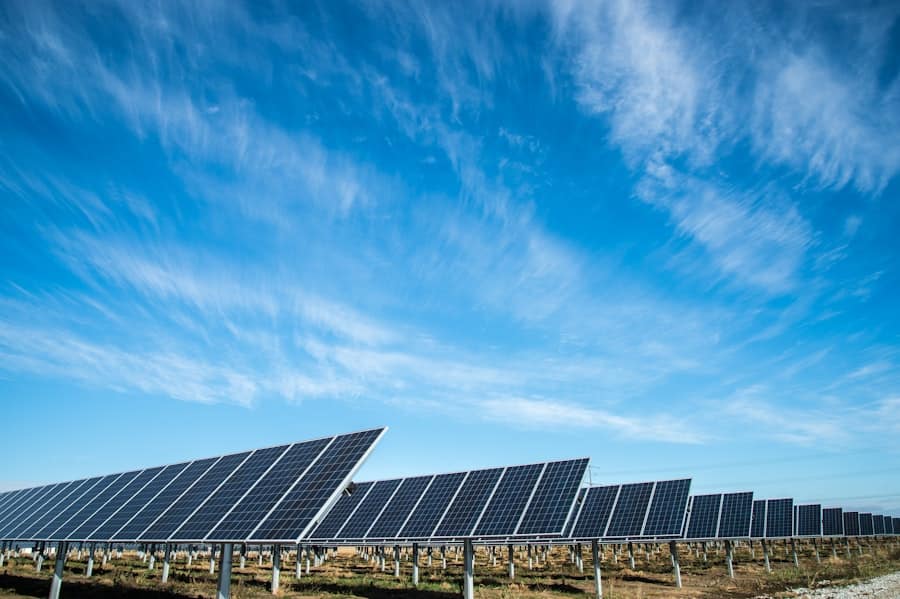
Your home’s location and climate play a significant role in determining which alternative energy source will be most effective for you. For example, if you live in a region with abundant sunshine, solar panels could be an ideal choice. Conversely, if you reside in an area with high wind speeds, wind turbines might be more beneficial.
Take the time to analyze local weather patterns and geographical features that could impact energy generation. Additionally, consider any potential obstacles that may hinder energy production. For instance, if your home is surrounded by tall trees or buildings, solar panels may not receive adequate sunlight throughout the day.
Similarly, if you live in a region prone to extreme weather conditions, such as heavy snowfall or hurricanes, it’s essential to evaluate how these factors could affect the performance and durability of your chosen energy system.
Evaluate the Cost and Return on Investment
When considering alternative energy sources, evaluating the cost and potential return on investment (ROI) is paramount. Begin by obtaining quotes from various providers to understand the initial installation costs associated with different systems. Keep in mind that while some options may have higher upfront costs, they could offer significant savings on your utility bills over time.
To calculate ROI, consider both direct savings and any potential increases in property value that may result from installing renewable energy systems. Additionally, factor in maintenance costs and the lifespan of the equipment when assessing long-term financial benefits. By conducting a thorough cost analysis, you can make an informed decision that aligns with your budget and financial goals.
Determine the Available Space for Energy Infrastructure
The physical space available for installing alternative energy systems is another critical consideration. Assess your property to determine where you can place solar panels, wind turbines, or other equipment without compromising aesthetics or functionality. For solar panels, rooftops are often the most convenient option; however, ground-mounted systems may be more suitable if roof space is limited or if you want to maximize energy production.
If you’re considering wind energy, evaluate whether your property has enough open space to accommodate a turbine while adhering to local zoning regulations. Additionally, think about how much space you’re willing to dedicate to these systems and whether they will interfere with other outdoor activities or landscaping plans. By carefully considering available space, you can ensure that your chosen energy solution fits seamlessly into your property.
Consider the Environmental Impact
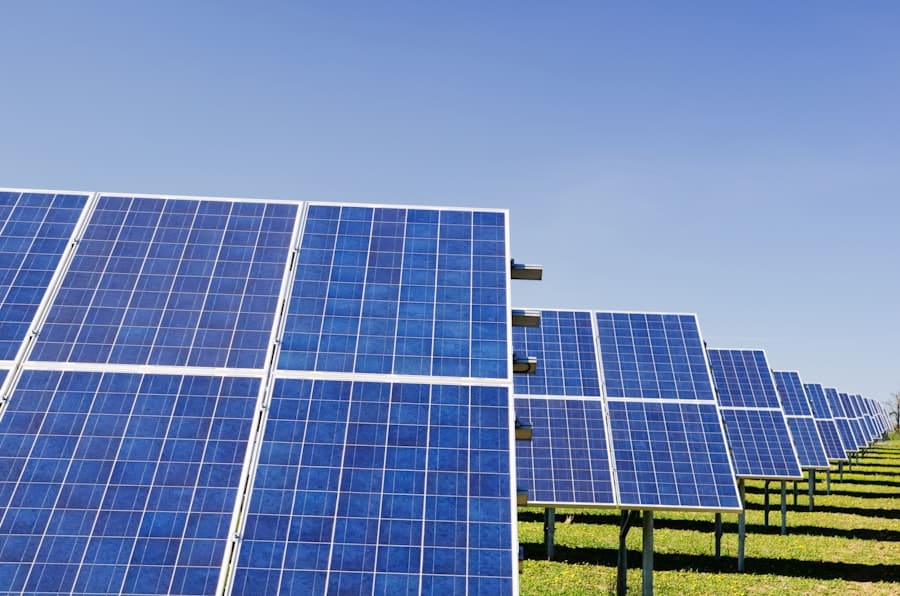
As you explore alternative energy options, it’s essential to consider their environmental impact. While renewable energy sources are generally more sustainable than fossil fuels, each option has its own ecological footprint. For instance, while solar panels produce clean energy during their operational life, their manufacturing process can involve harmful chemicals and resource extraction.
Research the lifecycle of each energy source you’re considering to understand its overall environmental implications. Look for systems that prioritize sustainability in their production and installation processes. Additionally, consider how your choice will contribute to reducing greenhouse gas emissions and promoting a cleaner environment in your community.
By making an informed decision based on environmental impact, you can feel confident that your investment aligns with your values.
Assess the Maintenance and Upkeep Requirements
Maintenance is an often-overlooked aspect of alternative energy systems that can significantly affect their performance and longevity. Before committing to a particular solution, assess the maintenance requirements associated with each option. For example, solar panels typically require minimal upkeep—just occasional cleaning to remove dirt and debris—but wind turbines may need more frequent inspections and repairs due to moving parts.
Consider how much time and effort you’re willing to invest in maintaining your chosen system. If you prefer a low-maintenance solution, solar energy might be more appealing than wind or geothermal options. Additionally, inquire about warranties and service agreements offered by providers to ensure that you have support in place should any issues arise.
Investigate Available Incentives and Rebates
Many governments and organizations offer incentives and rebates to encourage the adoption of alternative energy sources. These financial incentives can significantly reduce the initial costs associated with installation and make renewable energy more accessible for homeowners like yourself. Research local, state, and federal programs that may apply to your situation.
In addition to tax credits and rebates, some utility companies offer programs that provide financial assistance for renewable energy installations or even pay homeowners for excess energy generated by their systems. By taking advantage of these incentives, you can enhance your return on investment while contributing to a more sustainable future.
Consult with Energy Experts and Professionals
Navigating the world of alternative energy can be complex, which is why consulting with experts in the field is invaluable. Reach out to professionals who specialize in renewable energy solutions to gain insights tailored to your specific situation. They can help you understand the nuances of different systems and guide you through the decision-making process.
When consulting with experts, don’t hesitate to ask questions about installation processes, expected performance metrics, and any potential challenges you may face. Their expertise can provide clarity and confidence as you move forward with your plans for adopting alternative energy solutions.
Consider the Integration with Existing Energy Systems
If you already have an existing energy system in place—such as traditional grid power or a backup generator—it’s essential to consider how your new alternative energy source will integrate with it. Some systems can work in tandem with existing infrastructure, allowing for a seamless transition to renewable energy while maintaining reliability during peak demand periods. Evaluate whether you want a grid-tied system that allows for net metering or an off-grid solution that provides complete independence from traditional power sources.
Understanding how these systems interact will help you make an informed decision about which option best suits your needs.
Make a Decision Based on Your Findings
After thoroughly assessing your energy needs, researching different sources, evaluating costs, considering environmental impacts, and consulting with experts, it’s time to make a decision based on your findings. Weigh all the information you’ve gathered against your priorities—whether they be financial savings, environmental concerns, or ease of maintenance—and choose the alternative energy solution that aligns best with your goals. Remember that this decision is not just about immediate benefits; it’s also about long-term sustainability and how it fits into your lifestyle.
By taking a comprehensive approach to evaluating all aspects of alternative energy solutions, you can confidently move forward with a choice that enhances both your home’s efficiency and your commitment to a greener future.
If you are considering solar energy as an alternative energy source for your home, you may want to check out this article on solar energy scheduling timing for a brighter and cleaner world. This article discusses the importance of timing when it comes to maximizing the efficiency of solar energy systems. Understanding the best practices for utilizing solar energy during specific hours of the day can help you make the most of this renewable energy source.
FAQs
What are alternative energy sources for homes?
Alternative energy sources for homes include solar power, wind power, geothermal energy, and biomass energy. These sources provide renewable and sustainable energy for residential use.
What factors should I consider when choosing an alternative energy source for my home?
When choosing an alternative energy source for your home, consider factors such as your location, available space, budget, energy needs, and local regulations. Each energy source has its own requirements and benefits, so it’s important to assess which option aligns best with your specific circumstances.
How do I determine the energy needs of my home?
To determine the energy needs of your home, calculate your average monthly and annual energy consumption. This can be done by reviewing your utility bills and assessing the energy usage of your appliances, heating and cooling systems, and other electrical devices. Understanding your energy needs will help you select the most suitable alternative energy source for your home.
What are the benefits of using alternative energy sources for homes?
The benefits of using alternative energy sources for homes include reduced reliance on non-renewable resources, lower energy costs in the long run, decreased environmental impact, and potential eligibility for government incentives and rebates. Additionally, alternative energy sources can provide greater energy independence and resilience during power outages.
Are there any drawbacks to using alternative energy sources for homes?
While alternative energy sources offer numerous benefits, there are also potential drawbacks to consider. These may include high initial installation costs, variability in energy production (such as with solar and wind power), and the need for adequate space and infrastructure. Additionally, some alternative energy sources may require regular maintenance and upkeep.
How can I determine the feasibility of installing a specific alternative energy source for my home?
To determine the feasibility of installing a specific alternative energy source for your home, consider factors such as your property’s sun exposure, wind patterns, soil composition (for geothermal energy), and available space for equipment installation. It may also be beneficial to consult with a professional energy consultant or installer to assess the practicality and potential challenges of implementing a particular energy source.