
To embark on your solar energy journey, the first step is to gain a clear understanding of your energy needs. This involves analyzing your current energy consumption patterns, which can be found on your utility bills. By reviewing these bills, you can identify peak usage times and the total kilowatt-hours (kWh) consumed over a month or year.
This information is crucial as it will help you determine the size of the solar system you need to install. You may also want to consider future changes in your energy consumption, such as adding electric vehicles or new appliances, which could increase your overall energy demand. Once you have a grasp of your current and future energy needs, you can begin to calculate how much of that energy you would like to offset with solar power.
Some homeowners aim for complete energy independence, while others may simply want to reduce their monthly utility bills. Understanding your goals will guide you in selecting the right solar system and help you make informed decisions throughout the process. Additionally, consider factors such as your budget and financing options, as these will also play a significant role in determining the scale of your solar investment.
Key Takeaways
- Understand your energy needs before investing in solar panels to ensure you choose the right system for your home.
- Assess your home’s solar potential by considering factors such as roof orientation, shading, and available space for solar panels.
- Choose the right solar panels based on efficiency, durability, and warranty to maximize the benefits of your solar system.
- Maximize sunlight exposure by keeping your solar panels clean, trimming nearby trees, and optimizing the tilt and angle of the panels.
- Improve energy efficiency in your home by using energy-efficient appliances, sealing air leaks, and insulating your home to reduce overall energy consumption.
Assessing Your Home’s Solar Potential
Next, you need to assess your home’s solar potential. This involves evaluating various factors that can influence how much sunlight your property receives throughout the year. Start by examining the orientation and pitch of your roof.
South-facing roofs typically receive the most sunlight, making them ideal for solar panel installation. If your roof is shaded by trees or nearby buildings, this could significantly reduce the efficiency of your solar system. In such cases, you might need to consider trimming trees or even exploring ground-mounted solar options if space allows.
In addition to roof orientation and shading, consider the local climate and weather patterns. Areas with abundant sunshine will naturally yield better results from solar panels than regions with frequent cloud cover or rain. You can use online tools or consult with local solar experts to get a better understanding of how much sunlight your location receives on average.
This assessment will help you determine whether solar energy is a viable option for you and how much energy you can realistically expect to generate.
Choosing the Right Solar Panels

Once you’ve established your energy needs and assessed your home’s solar potential, it’s time to choose the right solar panels for your system. There are several types of solar panels available on the market, each with its own advantages and disadvantages. Monocrystalline panels are known for their high efficiency and sleek appearance but tend to be more expensive.
Polycrystalline panels are generally more affordable but may have slightly lower efficiency rates. Thin-film panels are lightweight and flexible but usually require more space to generate the same amount of power as crystalline panels. When selecting solar panels, consider factors such as efficiency ratings, warranty periods, and manufacturer reputation.
Higher efficiency panels may cost more upfront but can save you money in the long run by generating more electricity in less space. Additionally, look for panels with long warranties, as this indicates the manufacturer’s confidence in their product’s durability and performance. Researching customer reviews and seeking recommendations from trusted sources can also help you make an informed decision.
Maximizing Sunlight Exposure
To get the most out of your solar energy system, maximizing sunlight exposure is essential. This involves not only choosing the right location for your solar panels but also ensuring they remain unobstructed by debris or shading throughout the day. Regular maintenance is key; keep an eye on any overhanging branches or nearby structures that may cast shadows on your panels during peak sunlight hours.
If necessary, consider trimming trees or relocating any obstructions that could hinder performance. Another way to maximize sunlight exposure is by adjusting the angle of your solar panels. Fixed installations are typically set at an angle that optimizes performance for a specific season, but adjustable mounts can allow you to change the angle based on seasonal sun paths.
This flexibility can significantly enhance energy production throughout the year. Additionally, if you’re considering a new roof or home addition, think about how these changes could impact sunlight exposure for your solar system.
Improving Energy Efficiency in Your Home
While generating your own solar power is a fantastic step toward sustainability, improving your home’s energy efficiency is equally important. By reducing your overall energy consumption, you can decrease the size of the solar system needed to meet your needs, ultimately saving you money. Start by conducting an energy audit of your home to identify areas where you can improve efficiency.
Look for drafts around windows and doors, outdated appliances, and insufficient insulation. Investing in energy-efficient appliances and lighting can make a significant difference in your energy usage. Consider replacing incandescent bulbs with LED lights, which consume less energy and last longer.
Additionally, upgrading to Energy Star-rated appliances can help reduce electricity consumption without sacrificing performance. Simple changes like sealing air leaks and adding insulation can also contribute to a more energy-efficient home, allowing you to maximize the benefits of your solar system.
Investing in Energy Storage Solutions
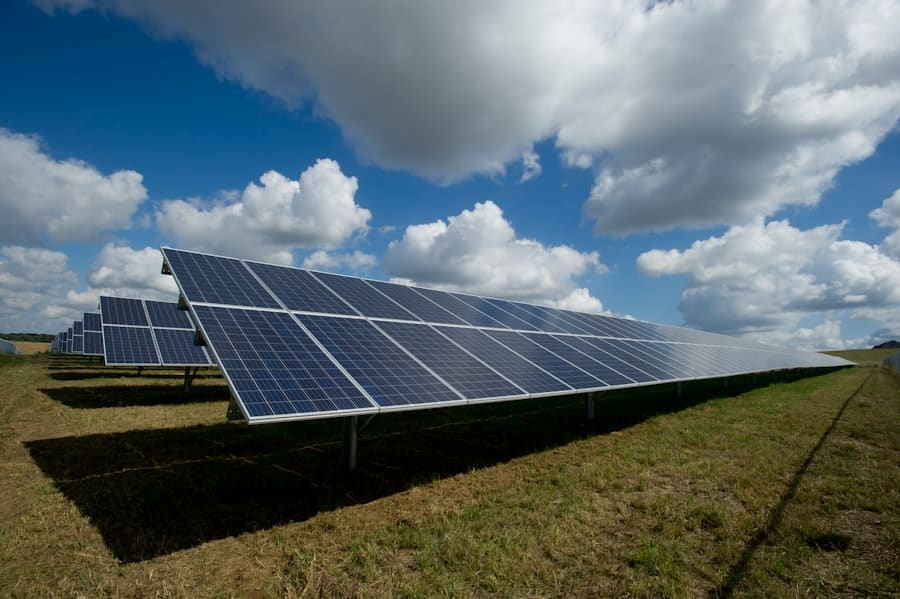
As you explore solar energy options, consider investing in energy storage solutions such as batteries. These systems allow you to store excess energy generated during sunny days for use during cloudy days or at night when solar production ceases. This capability not only enhances your energy independence but also provides a backup power source during outages.
When selecting a battery storage system, evaluate factors such as capacity, discharge rates, and warranty terms. Battery technology has advanced significantly in recent years, making it more accessible and efficient for homeowners. Lithium-ion batteries are among the most popular choices due to their high energy density and longer lifespan compared to traditional lead-acid batteries.
However, they can be more expensive upfront. Weighing the costs against potential savings on utility bills will help you determine if investing in battery storage aligns with your overall energy goals.
Monitoring and Maintaining Your Solar System
Once your solar system is installed, ongoing monitoring and maintenance are crucial for ensuring optimal performance. Many modern solar systems come equipped with monitoring software that allows you to track energy production in real-time through a smartphone app or web portal. Regularly checking this data can help you identify any issues early on, such as decreased output due to shading or equipment malfunctions.
Maintenance tasks are generally minimal but should not be overlooked. Cleaning your solar panels periodically will help remove dirt, dust, and debris that can accumulate over time and hinder performance. Depending on your location, rain may naturally clean your panels; however, if you live in a particularly dusty area or have frequent bird activity near your installation, manual cleaning may be necessary.
Additionally, schedule periodic inspections with a professional to ensure all components are functioning correctly and efficiently.
Utilizing Smart Home Technology
Incorporating smart home technology into your solar energy system can enhance its efficiency and convenience significantly. Smart thermostats allow you to optimize heating and cooling based on real-time energy production data from your solar system. By adjusting settings according to when your panels are generating the most electricity, you can maximize self-consumption and minimize reliance on grid power.
Smart appliances can also play a role in optimizing energy usage. For instance, programmable washing machines or dishwashers can be set to run during peak solar production hours when electricity is abundant and free from the grid. Additionally, integrating smart home systems with battery storage allows for more efficient management of stored energy, ensuring that you’re using renewable resources whenever possible.
Incorporating Passive Solar Design
Passive solar design principles can complement your active solar system by maximizing natural light and heat within your home without relying on mechanical systems. This approach involves strategic placement of windows, thermal mass materials, and insulation techniques that work together to maintain comfortable indoor temperatures year-round. For example, large south-facing windows can capture sunlight during winter months while overhangs can provide shade during summer months.
Incorporating passive design elements not only enhances comfort but also reduces overall energy consumption by minimizing heating and cooling needs. If you’re planning renovations or building a new home, consider working with an architect familiar with passive solar design principles to create an energy-efficient living space that harmonizes with your active solar system.
Considering Local Regulations and Incentives
Before proceeding with a solar installation, it’s essential to familiarize yourself with local regulations and incentives that may impact your project. Many regions offer tax credits, rebates, or other financial incentives designed to encourage renewable energy adoption. Researching these opportunities can significantly reduce upfront costs and improve the return on investment for your solar system.
Additionally, be aware of any zoning laws or permitting requirements that may apply to solar installations in your area. Some municipalities have specific guidelines regarding panel placement or system size that must be adhered to before installation begins. Engaging with local authorities early in the process will help ensure compliance and streamline the installation process.
Hiring a Professional for Installation and Maintenance
Finally, while some homeowners may feel confident tackling their solar installation independently, hiring a professional is often the best route for ensuring safety and efficiency. Experienced installers possess the knowledge required to navigate local regulations, optimize system design based on unique property characteristics, and ensure proper installation techniques are followed. Moreover, professional installation often comes with warranties that protect both equipment and workmanship over time.
This peace of mind allows you to focus on enjoying the benefits of renewable energy without worrying about potential issues down the line. When selecting an installer, seek out reputable companies with positive customer reviews and transparent pricing structures to ensure you’re making a sound investment in your solar future. In conclusion, transitioning to solar energy involves careful consideration of various factors ranging from understanding your energy needs to selecting the right professionals for installation and maintenance.
By taking these steps thoughtfully and strategically, you can harness the power of renewable energy while contributing positively to both your finances and the environment.
If you’re looking to optimize your home for solar energy efficiency, you may also want to consider the key factors to consider when scheduling solar energy usage. This article from Solar Companies Installation provides valuable insights into how to make the most of your solar energy system by strategically planning when to use the energy it generates. By understanding these key factors, you can maximize the benefits of solar power in your home.
FAQs
What is solar energy efficiency?
Solar energy efficiency refers to the amount of sunlight that is converted into usable energy by solar panels. It is a measure of how effectively a solar energy system can generate electricity or heat from the sun’s rays.
Why is it important to optimize your home for solar energy efficiency?
Optimizing your home for solar energy efficiency can help maximize the amount of energy that can be generated from solar panels, ultimately reducing your reliance on traditional energy sources and lowering your electricity bills. It also helps reduce your carbon footprint and contributes to a more sustainable environment.
What are some ways to optimize your home for solar energy efficiency?
Some ways to optimize your home for solar energy efficiency include installing energy-efficient appliances, improving insulation and sealing air leaks, using energy-efficient lighting, and choosing the right solar panel placement and orientation.
How can energy-efficient appliances contribute to solar energy efficiency?
Energy-efficient appliances consume less electricity, which means that a smaller solar energy system can meet your household’s energy needs. This can result in cost savings and a more efficient use of solar energy.
What role does insulation and air sealing play in solar energy efficiency?
Proper insulation and air sealing help maintain a consistent indoor temperature, reducing the need for heating and cooling. This, in turn, reduces the energy demand on your solar energy system and improves overall energy efficiency.
How does solar panel placement and orientation impact solar energy efficiency?
The placement and orientation of solar panels can significantly impact their efficiency. Placing panels in a location with maximum sunlight exposure and orienting them to capture the most sunlight throughout the day can optimize energy production.