
As you consider the transition to solar energy, the installation of solar panels becomes a pivotal step in harnessing the sun’s power for your home. Solar panel installation not only contributes to a sustainable future but also offers significant savings on your energy bills. With the increasing awareness of climate change and the need for renewable energy sources, more homeowners are exploring solar energy as a viable option.
This article will guide you through the entire process of solar panel installation, from assessing your home’s suitability to maintaining your system after installation. The journey begins with understanding what solar panels are and how they work. Essentially, solar panels convert sunlight into electricity, which can be used to power your home or be fed back into the grid.
This technology has advanced significantly over the years, making it more efficient and accessible than ever before. By investing in solar panels, you not only reduce your carbon footprint but also increase your property value. As you embark on this journey, it’s essential to be informed about each step involved in the installation process.
Key Takeaways
- Solar panel installation can be a great way to reduce your carbon footprint and save money on energy bills.
- Assessing your home’s suitability for solar panels involves considering factors such as roof orientation, shading, and structural integrity.
- Choosing the right solar panel system for your needs requires evaluating your energy usage, budget, and available space for installation.
- Obtaining necessary permits and approvals is a crucial step in ensuring that your solar panel installation complies with local regulations and building codes.
- Selecting the location for solar panel installation involves finding a spot with optimal sunlight exposure and minimal shading throughout the day.
Assessing Your Home’s Suitability for Solar Panels
Before diving into the installation process, it’s crucial to assess whether your home is suitable for solar panels. Start by evaluating your roof’s orientation and angle. Ideally, roofs that face south receive the most sunlight throughout the day, making them prime candidates for solar panel installation.
However, east and west-facing roofs can also be effective, depending on your specific energy needs and local climate conditions. You should also consider any potential shading from trees, buildings, or other structures that could obstruct sunlight and reduce the efficiency of your solar panels. In addition to roof orientation, you should examine the structural integrity of your roof.
If your roof is old or in need of repairs, it may be wise to address these issues before installing solar panels. A professional inspection can help determine if your roof can support the weight of the panels and if any modifications are necessary. Furthermore, consider your local climate; areas with consistent sunlight will yield better results than those with frequent cloud cover or heavy snowfall.
By thoroughly assessing these factors, you can make an informed decision about whether solar panels are a suitable investment for your home.
Choosing the Right Solar Panel System for Your Needs

Once you’ve determined that your home is suitable for solar panels, the next step is to choose the right system for your energy needs. There are various types of solar panel systems available, including grid-tied, off-grid, and hybrid systems. A grid-tied system connects directly to the local utility grid, allowing you to draw power when needed and sell excess energy back to the grid.
This option is ideal for most homeowners as it provides flexibility and cost savings. On the other hand, if you live in a remote area or prefer complete energy independence, an off-grid system may be more appropriate. This type of system relies solely on solar energy and typically includes battery storage to ensure you have power even when the sun isn’t shining.
Hybrid systems combine both approaches, offering the benefits of grid connectivity while also providing backup power through batteries. As you evaluate your options, consider factors such as your energy consumption patterns, budget, and long-term goals for sustainability.
Obtaining Necessary Permits and Approvals
Before proceeding with installation, you must navigate the necessary permits and approvals required by local authorities. The regulations surrounding solar panel installation can vary significantly depending on where you live. Start by contacting your local government or building department to understand what permits are needed for your project.
This may include zoning permits, building permits, and electrical permits. In some cases, homeowners associations (HOAs) may have specific guidelines regarding solar panel installations that you must adhere to. It’s essential to familiarize yourself with these regulations early in the process to avoid any delays or complications later on.
Working with a reputable solar installation company can also help streamline this process, as they often have experience dealing with local regulations and can assist you in obtaining the necessary approvals.
Selecting the Location for Solar Panel Installation
Choosing the right location for your solar panels is critical to maximizing their efficiency and effectiveness. If you’re installing panels on your roof, consider factors such as roof pitch and material. Flat roofs may require additional mounting systems to ensure optimal sun exposure, while sloped roofs can often accommodate panels more easily.
If ground-mounted systems are an option for you, select a location that receives ample sunlight throughout the day and is free from obstructions. Additionally, think about accessibility for maintenance purposes. You want to ensure that your solar panels are easy to reach for cleaning and inspections.
If you’re working with a professional installer, they can help assess the best location based on their expertise and knowledge of local conditions. Ultimately, selecting an optimal location will enhance the performance of your solar panel system and contribute to its longevity.
Preparing the Roof or Ground for Solar Panel Installation
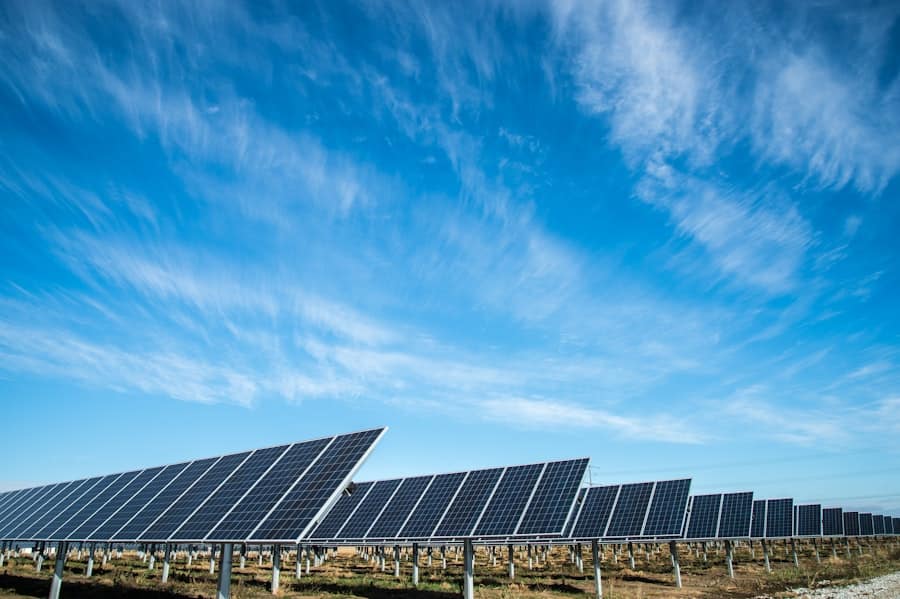
Once you’ve selected a location for your solar panels, it’s time to prepare the installation site. If you’re installing panels on your roof, ensure that it is clean and free from debris. This may involve removing any old roofing materials or repairing damaged sections before installation begins.
A clean surface will help ensure that the mounting system adheres properly and that there are no leaks once the panels are installed. For ground-mounted systems, you’ll need to clear the area of any vegetation or obstacles that could hinder sunlight exposure. Depending on the size of your system, this may involve grading the land or pouring concrete footings for stability.
Proper preparation is essential not only for the efficiency of your solar panels but also for their long-term durability. Taking these steps will help create a solid foundation for your investment in renewable energy.
Installing the Solar Panels and Mounting System
With everything prepared, it’s time for the actual installation of your solar panels and mounting system. If you’re working with a professional installer, they will handle this process efficiently and safely. The mounting system is typically installed first; this framework secures the solar panels in place and ensures they are angled correctly to capture maximum sunlight.
Once the mounting system is in place, the solar panels are attached securely. This process requires careful attention to detail to ensure that each panel is aligned correctly and connected properly to avoid any issues down the line. If you’re taking on this project yourself, be sure to follow all manufacturer guidelines closely and prioritize safety throughout the installation process.
Connecting the Solar Panels to the Electrical System
After installing the solar panels, you’ll need to connect them to your home’s electrical system. This step is crucial as it allows you to utilize the electricity generated by your solar panels effectively. Depending on your system type—grid-tied or off-grid—the connection process may vary slightly.
For grid-tied systems, an inverter is typically installed to convert direct current (DC) generated by the panels into alternating current (AC) used by most household appliances. This inverter must be connected to both your solar panel array and your home’s electrical panel. If you’re unfamiliar with electrical work, it’s highly recommended that you hire a licensed electrician to handle this part of the installation to ensure safety and compliance with local codes.
Testing and Commissioning the Solar Panel System
Once everything is connected, it’s time to test and commission your solar panel system. This step involves checking all connections and ensuring that everything is functioning correctly before officially turning on your system. A thorough inspection will help identify any potential issues that could affect performance or safety.
During this testing phase, you should monitor how much electricity is being generated by your solar panels compared to your energy consumption levels. This data will provide valuable insights into how well your system is performing and whether any adjustments need to be made. Once testing is complete and everything checks out, you can officially start enjoying the benefits of renewable energy in your home.
Applying for Incentives and Rebates
After successfully installing your solar panel system, don’t forget to explore available incentives and rebates that can help offset costs. Many governments offer tax credits or rebates for homeowners who invest in renewable energy systems like solar panels. Research local programs that may apply to you; these incentives can significantly reduce your overall investment.
In addition to federal tax credits, some states have their own programs designed to encourage solar adoption among residents. These may include performance-based incentives or grants that reward homeowners based on their energy production levels. By taking advantage of these financial incentives, you can maximize your return on investment while contributing positively to environmental sustainability.
Maintaining and Monitoring Your Solar Panel System
The final step in ensuring a successful solar panel installation is ongoing maintenance and monitoring of your system’s performance. While solar panels are generally low-maintenance, regular inspections can help identify any issues early on before they become significant problems. Cleaning your panels periodically will also help maintain their efficiency by removing dirt or debris that could block sunlight.
Monitoring systems are available that allow you to track how much energy your solar panels are generating in real-time. This data can provide insights into how well your system is performing compared to expectations based on initial assessments. By staying proactive about maintenance and monitoring, you can ensure that your investment continues to pay off for years to come while contributing positively toward a sustainable future.
In conclusion, transitioning to solar energy through proper installation of solar panels involves several critical steps—from assessing suitability and choosing a system type to obtaining permits and maintaining performance post-installation. By following this comprehensive guide, you can navigate each phase confidently while maximizing both financial savings and environmental benefits associated with renewable energy sources like solar power.
If you are interested in learning more about the best times to use solar energy for different appliances, you may want to check out the article How Do I Calculate the Best Times to Use Solar Energy for Different Appliances?. This article provides valuable information on optimizing your solar energy usage for maximum efficiency.
FAQs
What is the step-by-step process of solar panel installation?
The step-by-step process of solar panel installation involves site assessment, design and permitting, solar panel mounting, electrical wiring, and final inspection and connection to the grid.
What is involved in the site assessment for solar panel installation?
Site assessment involves evaluating the location for solar panel installation, including factors such as roof condition, shading, and available space for solar panels.
What is the design and permitting process for solar panel installation?
The design and permitting process involves creating a solar panel layout, obtaining necessary permits from local authorities, and ensuring compliance with building codes and regulations.
How are solar panels mounted during installation?
Solar panels are mounted onto the roof or ground using racking systems that securely hold the panels in place while allowing for optimal sun exposure.
What is involved in the electrical wiring for solar panel installation?
Electrical wiring includes connecting the solar panels to an inverter, which converts the DC power generated by the panels into AC power for use in the home or to be fed back into the grid.
What happens during the final inspection and connection to the grid for solar panel installation?
The final inspection ensures that the solar panel system meets all safety and performance standards. Once approved, the system is connected to the grid, allowing for the transfer of excess energy and potential net metering.