
As you gaze up at the night sky, you may find yourself pondering the vastness of the universe and the potential it holds for humanity. Among the many possibilities that lie beyond our atmosphere, space-based solar power (SBSP) stands out as a revolutionary concept that could transform how we harness energy. This innovative approach involves collecting solar energy in space, where sunlight is abundant and uninterrupted by atmospheric conditions, and then transmitting that energy back to Earth.
The idea has been around for decades, but recent advancements in technology and growing concerns about climate change have reignited interest in this promising solution. Imagine a world where energy is clean, abundant, and accessible to all. Space-based solar power could make this vision a reality.
By capturing solar energy in orbit, we can overcome many of the limitations faced by terrestrial solar panels, such as weather variability and land use constraints. As you delve deeper into the intricacies of SBSP, you will discover not only its potential to provide a sustainable energy source but also the myriad challenges that must be addressed to bring this ambitious vision to fruition.
Key Takeaways
- Space-Based Solar Power (SBSP) involves capturing solar energy in space and transmitting it wirelessly to Earth.
- Advantages of SBSP include continuous energy production, no atmospheric interference, and potential for global energy distribution.
- Challenges and obstacles to SBSP include high initial costs, technological limitations, and potential space debris.
- Current developments and research in SBSP focus on improving solar panel efficiency and wireless power transmission.
- SBSP has the potential to provide a sustainable and environmentally friendly solution to global energy needs.
Advantages of Space-Based Solar Power
One of the most compelling advantages of space-based solar power is its ability to generate energy continuously, regardless of time or weather conditions. Unlike ground-based solar panels that rely on sunlight during the day and are affected by clouds or storms, SBSP systems can capture solar energy 24/7. This constant availability could significantly reduce reliance on fossil fuels and help stabilize energy grids around the world.
As you consider the implications of this uninterrupted energy supply, it becomes clear that SBSP could play a crucial role in meeting the growing global demand for electricity. Moreover, space-based solar power has the potential to provide energy to remote and underserved regions where traditional energy infrastructure is lacking. Imagine communities in isolated areas gaining access to reliable electricity without the need for extensive ground-based power lines or fossil fuel transportation.
By beaming energy directly from space to these locations, SBSP could empower millions of people, fostering economic development and improving quality of life. The prospect of bridging the energy divide through this innovative technology is both exciting and inspiring.
Challenges and Obstacles
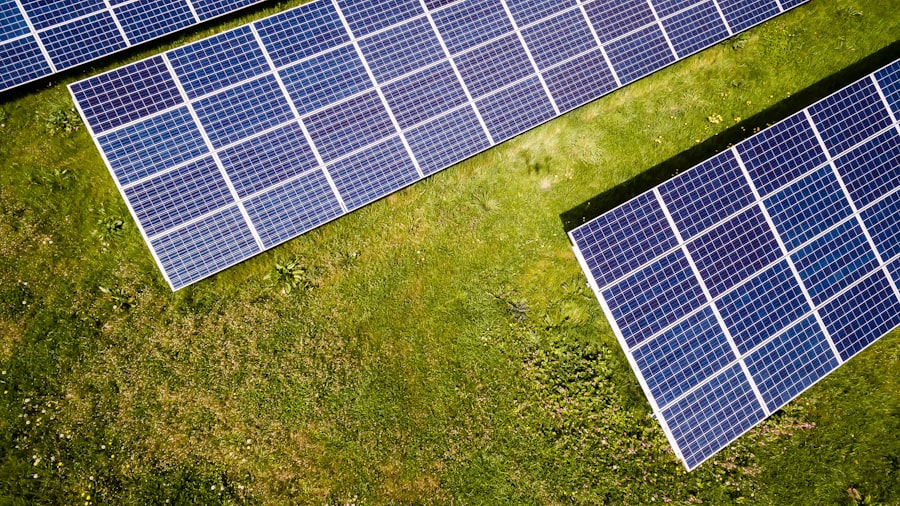
Despite its numerous advantages, space-based solar power faces significant challenges that must be addressed before it can become a viable energy solution. One of the primary obstacles is the high cost associated with launching and maintaining satellites in orbit. The expense of developing the necessary infrastructure for SBSP is daunting, and as you explore this aspect, you may wonder how such investments can be justified in a world where budget constraints are prevalent.
Additionally, there are technical challenges related to energy transmission from space to Earth. The process typically involves converting solar energy into microwave or laser beams for transmission, which raises concerns about safety and efficiency. You might find yourself questioning whether these technologies can be developed to a point where they are both effective and safe for widespread use.
Addressing these challenges will require significant research and innovation, as well as collaboration among scientists, engineers, and policymakers.
Current Developments and Research
In recent years, there has been a resurgence of interest in space-based solar power research, with various organizations and governments exploring its feasibility. You may be intrigued to learn about projects like the U.S. Air Force’s X-37B spaceplane, which has been testing technologies that could be applied to SBSP systems.
Additionally, private companies are entering the arena, investing in research and development to create more efficient solar panels and energy transmission methods. International collaborations are also emerging as countries recognize the potential benefits of SBSP. For instance, Japan has been at the forefront of SBSP research, with plans for a large-scale demonstration project by 2025.
As you follow these developments, you may find it encouraging that global interest in this technology is growing, paving the way for breakthroughs that could ultimately lead to practical applications.
Potential for Global Energy Solutions
The potential for space-based solar power to address global energy challenges is immense. As you consider the implications of this technology on a global scale, it becomes evident that SBSP could play a pivotal role in combating climate change by providing a clean alternative to fossil fuels. With the world facing an urgent need to transition to renewable energy sources, SBSP offers a unique solution that could complement existing efforts in wind, hydroelectric, and terrestrial solar power.
Furthermore, SBSP could enhance energy security for nations around the world. By diversifying energy sources and reducing dependence on imported fossil fuels, countries can bolster their resilience against geopolitical tensions and market fluctuations. As you reflect on these possibilities, it becomes clear that space-based solar power is not just an innovative idea; it represents a strategic opportunity for nations to secure their energy futures while contributing to global sustainability efforts.
Environmental Impact and Sustainability
When considering any new energy technology, it is essential to evaluate its environmental impact and sustainability. Space-based solar power presents several advantages in this regard. Since SBSP systems operate in space, they do not require land use on Earth, which can lead to habitat destruction or competition with agriculture.
This aspect alone makes SBSP an attractive option for preserving natural ecosystems while meeting energy demands. Moreover, the carbon footprint associated with SBSP is significantly lower than that of traditional fossil fuel sources. As you explore this topic further, you may find it reassuring that harnessing solar energy from space could contribute to reducing greenhouse gas emissions and mitigating climate change effects.
However, it is crucial to continue researching the environmental implications of launching satellites and constructing infrastructure in orbit to ensure that this technology remains sustainable in the long term.
Economic Viability and Cost Considerations
The economic viability of space-based solar power is a critical factor that will determine its future success. As you analyze the costs associated with developing SBSP systems, you will encounter various components that contribute to overall expenses—launch costs, satellite construction, maintenance, and energy transmission technologies all play a role in shaping the financial landscape of this endeavor. While initial investments may be substantial, proponents argue that the long-term benefits could outweigh these costs.
You might consider how advancements in technology could lead to reduced launch costs over time, making SBSP more accessible. Additionally, as global demand for clean energy continues to rise, the market for renewable sources will likely expand, creating economic opportunities for those involved in SBSP development.
International Collaboration and Policy Implications
The path forward for space-based solar power will require international collaboration and supportive policies. As you contemplate the complexities of global energy systems, it becomes evident that no single nation can tackle these challenges alone. Collaborative efforts among countries can facilitate knowledge sharing, resource pooling, and joint research initiatives that accelerate progress in SBSP technology.
Policy implications also play a significant role in shaping the future of SBSP. Governments must establish regulatory frameworks that promote innovation while ensuring safety and environmental protection. You may find it encouraging that some nations are already beginning to explore policies aimed at fostering research and development in this area.
By creating an environment conducive to collaboration and investment, countries can work together toward realizing the potential of space-based solar power.
Space-Based Solar Power and Space Exploration
The intersection of space-based solar power and space exploration presents exciting possibilities for both fields. As you consider the future of human presence beyond Earth, you may envision how SBSP could support missions to other planets or celestial bodies by providing a reliable energy source for spacecraft and habitats. This synergy between energy generation and exploration could pave the way for sustainable human activities in space.
Moreover, advancements in SBSP technology could enhance our capabilities for deep-space missions. Imagine spacecraft equipped with efficient solar panels capable of harnessing sunlight even at great distances from the Sun. As you explore these ideas further, it becomes clear that space-based solar power could not only revolutionize energy production on Earth but also play a vital role in humanity’s quest to explore the cosmos.
Public Perception and Acceptance
Public perception plays a crucial role in determining the success of any new technology, including space-based solar power. As you consider how society views this innovative concept, you may find that awareness and understanding are key factors influencing acceptance. Education campaigns highlighting the benefits of SBSP—such as its potential for clean energy generation and its role in combating climate change—could help foster public support.
However, addressing concerns about safety and feasibility is equally important. You might encounter skepticism regarding the practicality of transmitting energy from space to Earth or fears about potential environmental impacts associated with satellite launches. Engaging with communities through transparent communication and inclusive discussions can help build trust and encourage acceptance of this groundbreaking technology.
The Path Forward for Space-Based Solar Power
As you reflect on the journey toward realizing space-based solar power as a viable energy solution, it becomes clear that while challenges remain, the potential rewards are immense. The advantages of continuous energy generation, environmental sustainability, and global accessibility make SBSP an attractive option for addressing pressing energy needs. However, overcoming obstacles related to cost, technology development, and public perception will require concerted efforts from governments, researchers, and industry stakeholders.
The path forward involves fostering international collaboration and supportive policies that encourage innovation while ensuring safety and environmental protection. By investing in research and development today, we can unlock the transformative potential of space-based solar power for future generations. As you look toward the horizon of possibilities that lie ahead, remember that humanity’s quest for sustainable energy solutions may very well extend beyond our planet—into the vast expanse of space itself.
A related article to The Future of Solar Energy: Space-Based Solar Power discusses how solar energy time management can reduce the need for traditional fossil fuels during peak demand times. This article explores the potential of using solar energy to alleviate strain on the grid during times of high energy consumption. By strategically managing solar energy production and consumption, it is possible to lessen the reliance on fossil fuels and promote a more sustainable energy future. To learn more about this topic, you can read the article here.
FAQs
What is Space-Based Solar Power (SBSP)?
Space-Based Solar Power (SBSP) is a concept of collecting solar power in outer space and transmitting it wirelessly to Earth for use as a renewable energy source.
How does Space-Based Solar Power work?
SBSP works by capturing solar energy in space using solar panels or mirrors, converting it into electrical energy, and then transmitting it to Earth using microwave or laser beams.
What are the potential benefits of Space-Based Solar Power?
Some potential benefits of SBSP include the ability to collect solar energy 24/7 (regardless of weather or time of day), the potential to provide energy to remote or disaster-stricken areas, and the reduction of reliance on fossil fuels.
What are the challenges of implementing Space-Based Solar Power?
Challenges of implementing SBSP include the high cost of launching and maintaining solar power satellites, the potential environmental impact of transmitting energy wirelessly, and the need for international cooperation and regulations.
What is the current status of Space-Based Solar Power technology?
While the concept of SBSP has been studied and researched for decades, the technology is still in the experimental and theoretical stages. There are ongoing research and development efforts to address the technical and economic challenges of SBSP.